Phlox, Genus, paniculata, Species, 'David', Cultivar,
- Genus & species
- Cultivar
David garden phlox
Eastern and central United States (species)
Overview
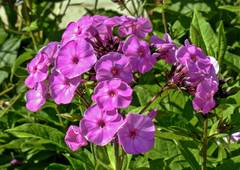
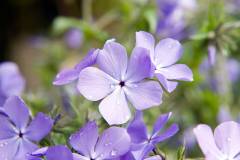
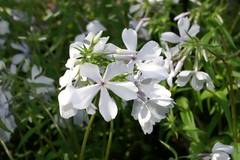
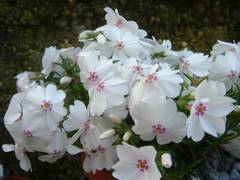
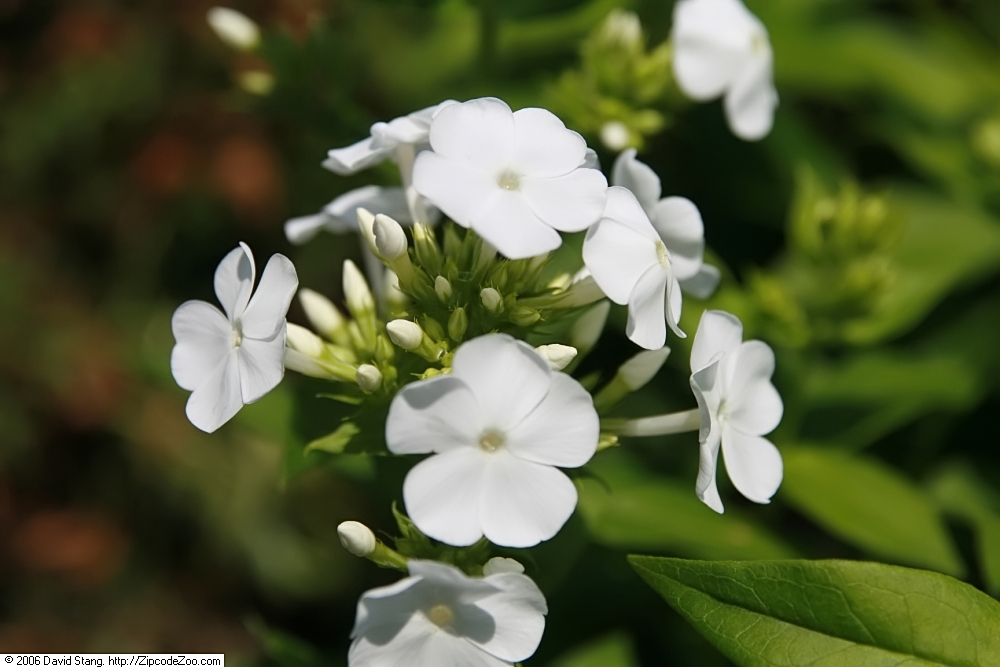
Phlox paniculata 'David' is an upright, clump-forming perennial in the phlox family (Polemoniaceae) that reaches 36–42 inches (90–105 cm) tall and 24–36 inches (60–90 cm) wide. Stems are stiff and unbranched below the flower head. Leaves are opposite, lance-shaped, 3–5 inches (7.5–12.5 cm) long and 0.75–1.25 inches (2–3 cm) wide, medium green, with entire margins. Fragrant, pure white flowers, 1 inch (2.5 cm) across with five overlapping petals, form dome-shaped panicles 6–8 inches (15–20 cm) across from July to September. The cultivar is selected for higher resistance to powdery mildew than many P. paniculata cultivars, though resistance is not complete in humid summers with poor air movement. Clumps expand by 3–4 inches (7.5–10 cm) per year. Plants are hardy in USDA zones 3–8. Dry soil causes leaf drop on lower stems, and flower heads that set seed produce seedlings that revert to magenta, so spent heads are removed.
Native Range
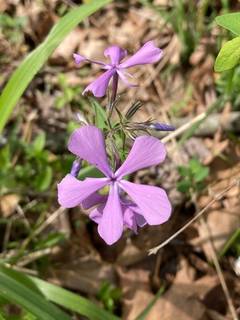
Phlox paniculata is native to the eastern and central United States, from New York and Pennsylvania south to Georgia and Arkansas. It grows in moist woodland edges, stream banks, and meadows. 'David' is a cultivar selected from the species.Suggested Uses
Used in borders and cottage gardens, spaced 24–30 inches (60–75 cm) apart, and as a cut flower lasting 5–7 days in water. Flowers are visited by butterflies, hummingbirds, and hawk moths. Also grown in containers 16–20 inches (40–50 cm) wide.How to Identify
Appearance
Size & Dimensions
Height3' - 3'6"
Width/Spread2' - 3'
Bloom Information
Flowers open from early July to September, with the peak in late July and August. Each panicle stays in bloom for 3–4 weeks, and removing spent heads produces side shoots that bloom for another 2–3 weeks. Flowers open from the bottom of the panicle upward.
Detailed Descriptions
Foliage Description
Medium greenGrowing Conditions
Sun Requirements
Requires 5-10 hours of direct sunlight daily
• Full Sun: 6+ hours of direct sunlight
• Partial Shade: 3-6 hours of direct sunlight
• Full Shade: Less than 3 hours of direct sunlight
Care & Maintenance
Care Guide
Plants grow in full sun to part shade in fertile, moist, well-drained loam with a pH of 6.0–7.5. Hardiness covers USDA zones 3–8. Water is applied at 1–1.5 inches (25–38 mm) per week, and dry soil causes lower leaves to drop. Spacing of 24–30 inches (60–75 cm) allows air movement that limits powdery mildew. Stems are thinned to 5–7 per clump in spring. Clumps are divided every 3–4 years in spring or fall. Powdery mildew occurs in humid summers, and spider mites feed on foliage in hot, dry conditions.Pruning
Spent flower heads are cut back to the first pair of side shoots to extend bloom and prevent seedlings. Stems are cut to 2–3 inches (5–7.5 cm) in fall after the first frost. Stems are thinned in spring to 5–7 per clump.Pruning Schedule
Prune: July & November
summerfall
Container Growing
Suitable for container growing
Minimum container size: 5 gallons