Image 1 of 12
1 / 12
Plant Reference
Philadelphus, Genus, spp., Multiple species,
- Genus
- Multiple species
mock orange
Species native to North America, Europe, and Asia. {P. lewisii} (Lewis' mock orange): native to the Pacific Northwest from British Columbia to California — state flower of Idaho. {P. coronarius} (sweet mock orange): native to southeastern Europe and Asia Minor
Overview
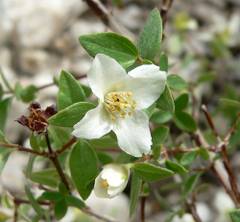
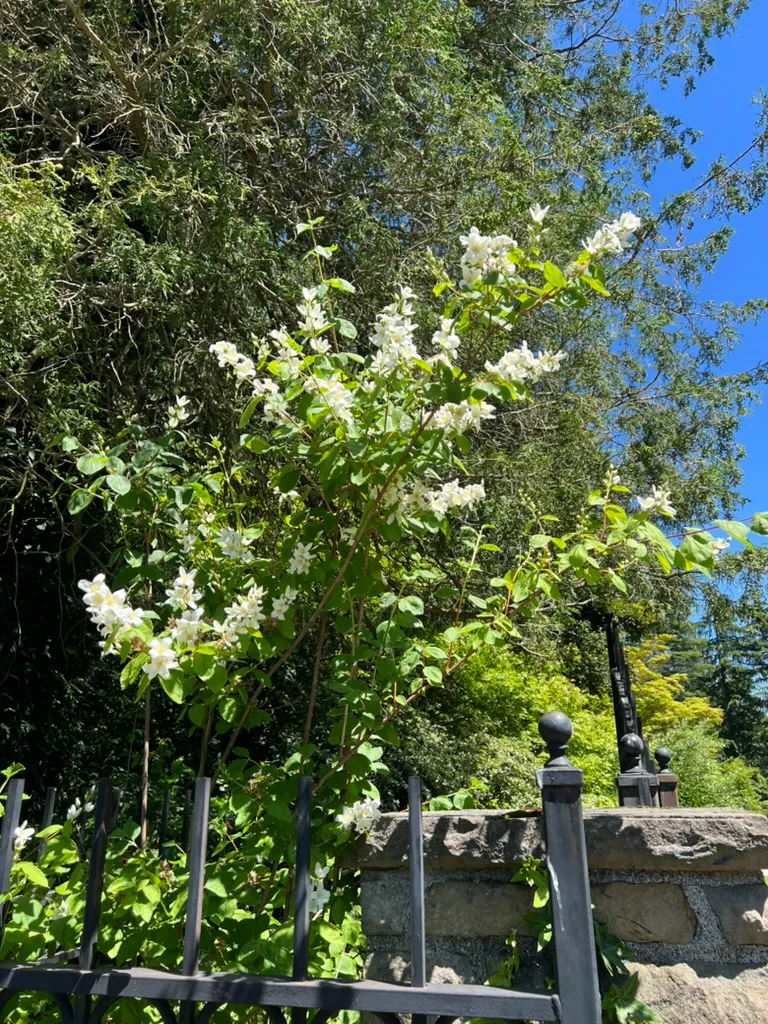
Philadelphus spp. is mock orange (sweet mock orange), an upright deciduous shrub growing 4-10 feet (1.2-3 m) tall and 4-8 feet (1.2-2.4 m) wide. White 4-petaled cup-shaped flowers 1-2 inches (2.5-5 cm) in June — intensely fragrant with a sweet orange-blossom scent. Medium green opposite oval leaves 1.5-3 inches (4-7 cm). In Hydrangeaceae. Genus-level record covering P. lewisii (Pacific Northwest native — state flower of Idaho), P. coronarius (European), and numerous hybrids. The orange-blossom fragrance is the defining trait. The shrub is unremarkable when not in bloom — plain foliage with no fall color. This lack of off-season interest is the primary limitation. Blooms on old wood — prune immediately after flowering. Drought-tolerant once established. Tolerates a range of soils. Non-toxic. Zones 4-8. Full sun to partial shade. Growth rate is moderate to fast.
Native Range
P. lewisii is native to the Pacific Northwest — British Columbia to California (state flower of Idaho). P. coronarius is native to southeastern Europe and Asia Minor. Numerous hybrid cultivars of garden origin.Suggested Uses
Grown as a specimen shrub, informal hedge, and in mixed borders spaced 4-8 feet (1.2-2.4 m). Site near paths, windows, and seating where the June fragrance can be experienced. Unremarkable outside bloom season. P. lewisii for native PNW gardens. Non-toxic. Zones 4-8.How to Identify
Appearance
Size & Dimensions
Height4' - 10'
Width/Spread4' - 8'
Bloom Information
Early summer (June). White 4-petaled cup-shaped flowers 1-2 inches (2.5-5 cm). Intensely fragrant (orange-blossom scent). 3 weeks of bloom on old wood. Bee- and butterfly-visited.
Detailed Descriptions
Flower Description
White, 4-petaled, cup-shaped, 1-2 inches (2.5-5 cm) across; intensely fragrant with a sweet orange-blossom scentFoliage Description
Medium green, opposite, simple, oval to lance-shaped with 3-5 veins from the base, 1.5-3 inches (4-7 cm) long; no significant fall colorGrowing Conditions
Sun Requirements
Requires 4-10 hours of direct sunlight daily
• Full Sun: 6+ hours of direct sunlight
• Partial Shade: 3-6 hours of direct sunlight
• Full Shade: Less than 3 hours of direct sunlight
Care & Maintenance
Care Guide
Full sun to partial shade (4-10 hours). Well-drained soil pH 6.0-7.5. Drought-tolerant once established. Blooms on old wood — prune immediately after flowering (June-July). Do not prune in fall/winter. No significant pest or disease problems. Non-toxic. Zones 4-8.Pruning
Prune immediately after flowering (June-July) — blooms on old wood. Remove 1/4-1/3 of the oldest stems at ground level annually (renewal pruning) to maintain vigor. The shrub becomes leggy and bare at the base without periodic renewal. Do not shear.Pruning Schedule
Prune: June–July
summer