Paeonia, Genus, 'Coral Charm', Cultivar,
- Genus
- Cultivar
coral charm peony
Garden hybrid; interspecific cross bred by Samuel Wissing, 1964
Overview
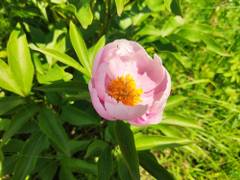
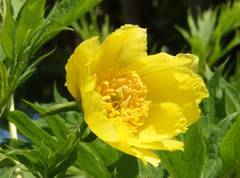
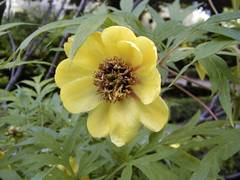
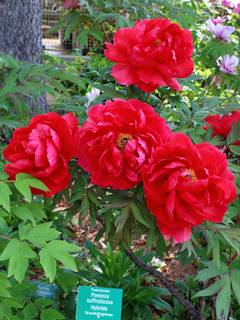
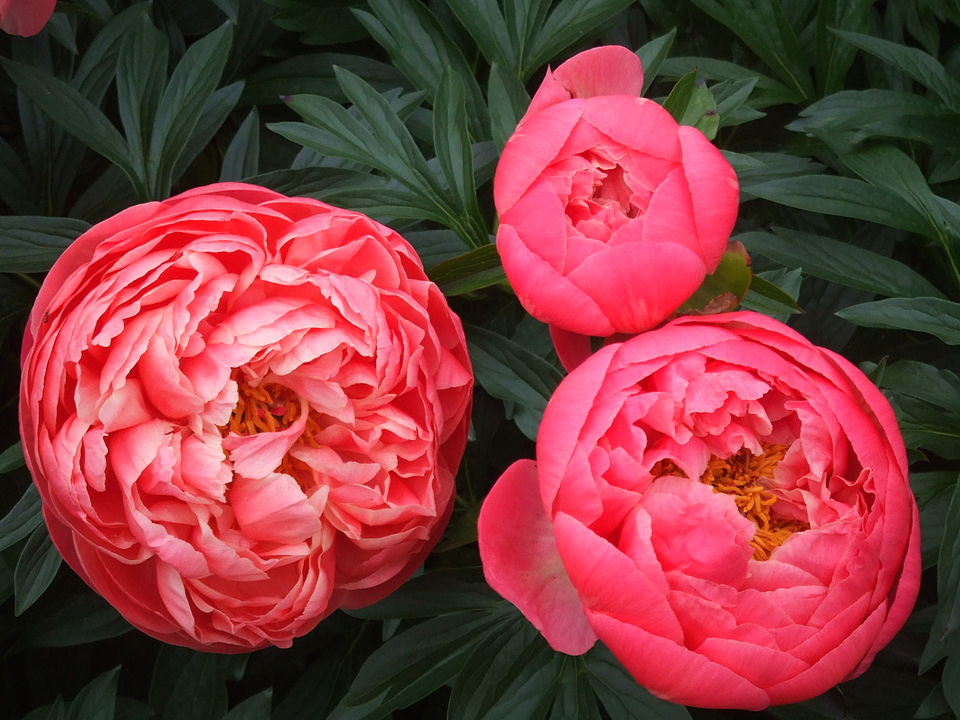
Paeonia 'Coral Charm' is a widely planted color-changing peony, an interspecific hybrid growing 30–36 inches (75–90 cm) tall and wide. Large semi-double flowers 5–7 inches (13–18 cm) across open deep coral — a warm colour not found in standard P. lactiflora cultivars — and then undergo a complete colour transformation over 5–7 days: from deep coral at opening, through salmon-peach at mid-age, to pale peach, and finally to ivory-yellow as the petals fade. Because blooms at different ages are present simultaneously, a mature plant carries the full coral-peach-ivory gradient on the same bush at the same time. This living colour wheel is the cultivar's signature and the reason it commands high cut-flower prices. The coral colour comes from interspecific hybridization — standard P. lactiflora peonies lack the pigments to produce true coral. Bred by Samuel Wissing in 1964, 'Coral Charm' received the American Peony Society Gold Medal. The semi-double form (2–3 rows of petals around a center of golden stamens) is lighter than full doubles and less prone to rain damage. Sturdy dark red stems support the flowers. Early blooming — typically 1–2 weeks before standard lactiflora cultivars. A light sweet fragrance is present. Dark green glossy compound foliage. Plants can live 50+ years. Mildly toxic.
Native Range
Paeonia 'Coral Charm' is an interspecific garden hybrid bred by Samuel Wissing in 1964. The coral colour comes from species other than P. lactiflora in its parentage.Suggested Uses
Used in perennial borders, cutting gardens, and as a specimen peony. The colour-changing display draws attention as a conversation piece. The coral colour commands high cut-flower prices. The early bloom extends the peony season before lactiflora types open. Plant alongside later-blooming white and pink peonies for a succession display.How to Identify
Appearance
Size & Dimensions
Height2'6" - 3'
Width/Spread2'6" - 3'
Bloom Information
Flowering in May to early June, approximately 2 weeks. Early bloom season — 1–2 weeks before standard lactiflora types. The coral-to-ivory colour transformation occurs over 5–7 days per bloom. Multiple colour stages visible simultaneously.
Detailed Descriptions
Flower Description
Deep coral opening, aging through peach to ivory-yellow — a complete colour transformationFoliage Description
Dark green, deeply divided, glossy compoundGrowing Conditions
Sun Requirements
Requires 5-8 hours of direct sunlight daily
• Full Sun: 6+ hours of direct sunlight
• Partial Shade: 3-6 hours of direct sunlight
• Full Shade: Less than 3 hours of direct sunlight
Care & Maintenance
Care Guide
Plant in full sun to partial shade. Well-drained, humus-rich soil. Set eyes no more than 2 inches (5 cm) deep. The semi-double form is more self-supporting than heavy doubles. Allow the colour transformation to complete before removing spent flowers — the aging process is part of the display. Remove spent heads after the ivory stage. Leave foliage standing until frost. Mildly toxic if ingested.Pruning
Remove spent flower heads after the ivory-yellow stage. Cut all stems to ground level in late October–November.Pruning Schedule
Prune: October–November
fall