Image 1 of 2
1 / 2
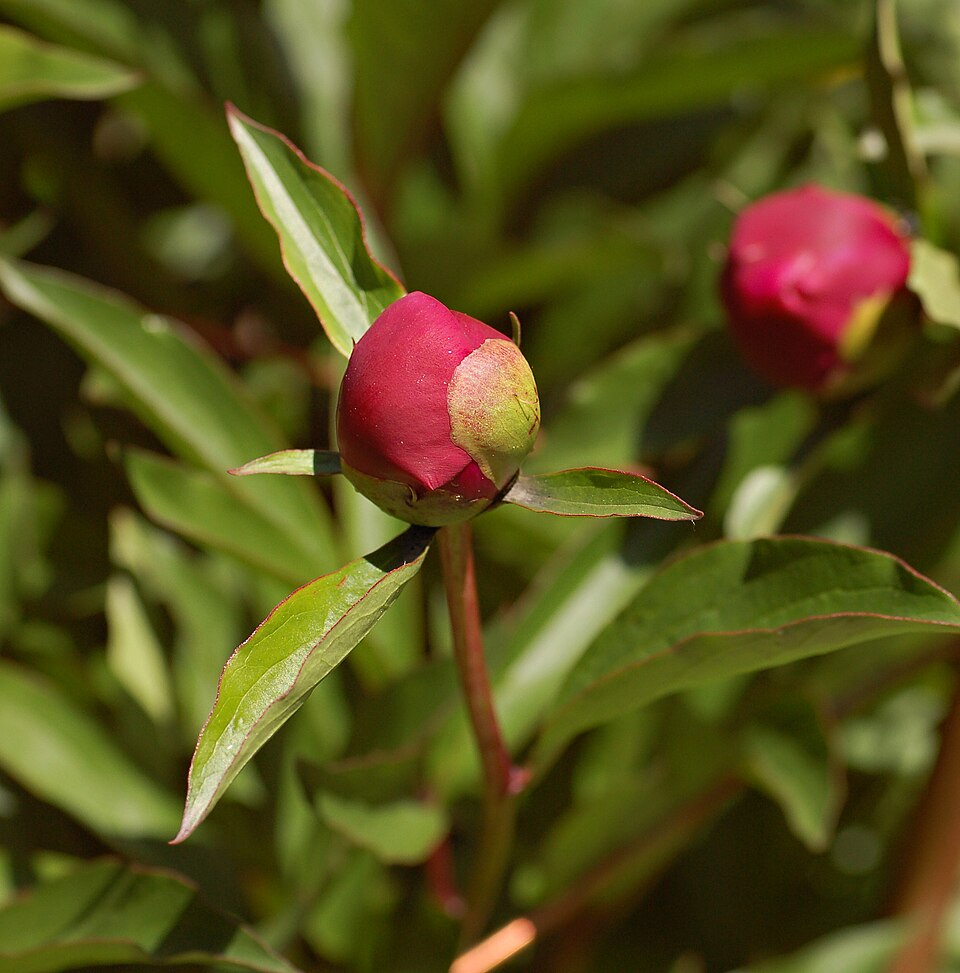
© Photo by and (c)2008 Derek Ramsey (Ram-Man). Co-attribution must be given to the Chanticleer Garden., some rights reserved (CC-BY-SA) · Wikimedia Commons
Paeonia, Genus, 'Big Ben', Cultivar,
- Genus
- Cultivar
big ben peony
Garden peonies derive principally from Paeonia lactiflora native to China, Mongolia, and Siberia in moist grasslands and forest margins; 'Big Ben' is a cultivated garden selection grown commercially across temperate North America, Europe, and East Asia
Overview
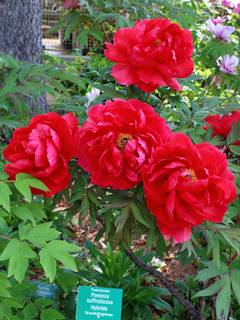
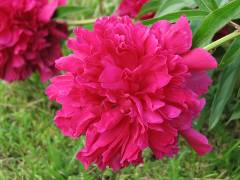
Paeonia 'Big Ben' is a herbaceous garden peony in the Paeoniaceae family with deep dark red to maroon-red bomb-type double flowers, reaching 30–36 inches (75–90 cm) tall and wide at maturity. The bomb-type flower form features broad dark red outer guard petals surrounding a high tightly packed dome of inner petals in the same dark red, creating a uniformly deep color throughout the bloom. Flowers are 5–6 inches (13–15 cm) across with a moderate sweet fragrance. The very dark red — approaching maroon in cool weather — runs at the darkest end of the available peony color range. The dark color absorbs light, and the bomb form creates enough petal depth that the dark red reads as a rich saturated mass rather than a thin translucent color. Dark green glossy compound foliage forms a substantial mound through summer after the bloom finishes. The cultivar name 'Big Ben' suggests a large commanding presence, and the large dark blooms carry visual weight in mixed border compositions. Sturdy stems support the heavy bomb flowers more reliably than many red peonies, reducing the need for staking. Same care as all herbaceous peonies: eyes no more than 2 inches (5 cm) deep, well-drained soil, full sun exposure. Peonies can live 50+ years in a stable garden position. Mildly toxic to pets and humans if ingested. Deer avoid the foliage.
Native Range
Garden peonies derive principally from Paeonia lactiflora, native to China, Mongolia, and Siberia where wild populations occur in moist grasslands and forest margins. The 'Big Ben' cultivar is a cultivated garden selection — specific breeder and registration date are documented in American Peony Society records. The cultivar is grown commercially across temperate North America, Europe, and East Asia.Suggested Uses
Used in perennial borders, cottage gardens, and cutting gardens. The deep dark red color adds depth to mixed peony plantings dominated by the typical pinks and whites — most peony cultivars fall into the pink-and-white color range, and a dark red selection adds color contrast to a peony bed otherwise lacking deep tones. Suits use as a dark anchor among lighter-colored companions (Paeonia 'Angel Cheeks' soft pink, 'Bowl of Cream' creamy white, 'Krinkled White' single white) for a tonal-contrast peony composition. The strong vertical stems and bomb form give the cultivar visual weight that holds up against substantial perennial neighbors in mid-to-back border positions.How to Identify
Appearance
Size & Dimensions
Height2'6" - 3'
Width/Spread2'6" - 3'
Bloom Information
Flowering in May and June across approximately 2 weeks per established clump. Deep dark red bomb-type double flowers with moderate sweet fragrance. Each bloom lasts 7–10 days. The bloom window runs short relative to many perennials, but the visual intensity of the dark color and bomb form during the brief display has driven peony cultivation across centuries.
Detailed Descriptions
Flower Description
Deep dark red to maroon-red; bomb-type double 5-6 inches across with high tightly packed dome of inner petals in uniform dark redFoliage Description
Dark green; deeply divided pinnately compound; glossyGrowing Conditions
Sun Requirements
Requires 5-10 hours of direct sunlight daily
• Full Sun: 6+ hours of direct sunlight
• Partial Shade: 3-6 hours of direct sunlight
• Full Shade: Less than 3 hours of direct sunlight
Care & Maintenance
Care Guide
Plant in full sun to partial shade with 5–10 hours of direct light. Well-drained humus-rich soil at pH 6.0–7.0 suits the cultivar. Planting depth is the principal cultural detail: position the eyes (reddish growing buds on the rhizome) no more than 2 inches (5 cm) below the soil surface. Deeper planting causes the plant to grow foliage but fail to flower — the most common reason peonies fail to bloom. Support heavy flower heads with a peony ring placed in early spring before the foliage emerges, though 'Big Ben' carries sturdier stems than many red peonies and may not require staking in protected garden positions. Remove spent flower heads after bloom to direct plant resources toward root and rhizome development. Leave foliage in place through summer — the leaves are building energy reserves for the following spring's bloom. Cut all stems to ground level in late October or November after frost browns the foliage. Mildly toxic if ingested.Pruning
Remove spent flower heads at the stem tip after bloom for tidy appearance and to direct plant resources toward root development. Cut all stems to ground level in late October or November after frost browns the foliage. Do not cut green foliage during summer — the leaves are building energy reserves for next spring's bloom.Pruning Schedule
Prune: June & November
summerfall