Paeonia, Genus, spp., Multiple species,
- Genus
- Multiple species
peonies
Temperate Europe, Asia, and western North America
Overview
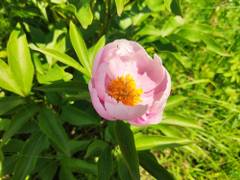
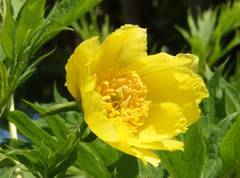
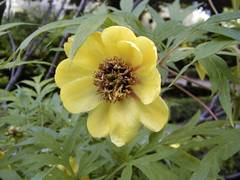
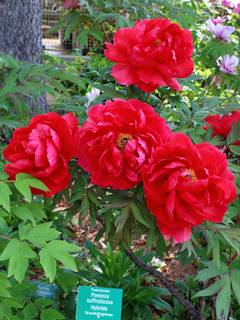
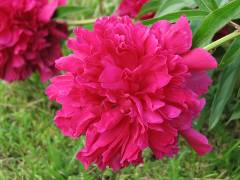
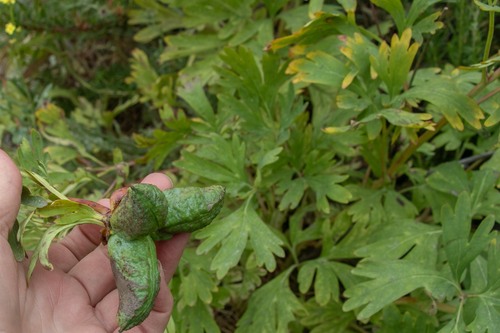
Paeonia is a genus of about 33 species of long-lived herbaceous perennials and deciduous woody shrubs in its own family, Paeoniaceae, native to temperate Europe, Asia, and western North America. Herbaceous species die back to the ground each winter and regrow from fleshy crowns, reaching 24-40 inches (60-100 cm) tall, while tree peonies form woody stems that persist year-round and grow 3-6 feet (0.9-1.8 m) tall. The leaves are large and deeply divided into broad leaflets, mid to dark green, sometimes flushed bronze when young. Flowers are 4-10 inches (10-25 cm) across with a central boss of yellow stamens, in white, pink, red, coral, and yellow, ranging from single bowls to densely doubled forms, and many are fragrant. Bloom comes in late spring and early summer over a period of one to two weeks per plant, followed by leathery pods that split to show shiny black and red seeds. Established clumps can live and flower for decades with little division. Most herbaceous species are hardy to USDA zone 3, while tree peonies are slightly less cold-tolerant. Plants are slow to establish and decline if moved once settled, and all parts are mildly poisonous if eaten.
Native Range
Paeonia species are native to temperate Eurasia, from southern Europe and the Mediterranean across the Caucasus and central Asia to China and Japan, with two species native to western North America. China is the center of diversity for the woody tree peonies, while herbaceous species are spread across Europe and Asia.Suggested Uses
Peonies are grown in mixed and herbaceous borders, as long-lived specimen clumps, and in rows for cut flowers, spaced 3-4 feet (0.9-1.2 m) apart. Tree peonies are used as woody specimen shrubs in shrub borders and courtyard gardens. The fragrant flowers are a mainstay of late-spring cut-flower arrangements.How to Identify
Appearance
Size & Dimensions
Height2' - 6'
Width/Spread2' - 4'
Colors
Bloom Information
Peonies bloom from late spring into early summer, generally May to June, with tree peonies opening a week or two before herbaceous types in the same garden. Each plant flowers for about one to two weeks, and a collection of early, mid, and late cultivars extends the season to four to six weeks. Many cultivars carry a sweet, rose-like fragrance.
Detailed Descriptions
Flower Description
white, pink, red, coral, or yellowFoliage Description
mid to dark green, bronze when youngGrowing Conditions
Sun Requirements
Requires 6-10 hours of direct sunlight daily
• Full Sun: 6+ hours of direct sunlight
• Partial Shade: 3-6 hours of direct sunlight
• Full Shade: Less than 3 hours of direct sunlight
Care & Maintenance
Care Guide
Plants grow in full sun to light afternoon shade in deep, fertile, well-drained soil with a pH near 6.5 to 7.0. Herbaceous peonies are planted with the buds no more than 1-2 inches (2.5-5 cm) below the surface, as deep planting prevents flowering. Established plants are drought-tolerant but flower most freely with steady spring moisture. Heavy, waterlogged soil causes root rot, and the fungal disease botrytis blight damages buds and stems in wet springs. Large double flowers become heavy and bend after rain, so peony rings or stakes hold the stems upright. Clumps need little care and can be left undivided for many years.Pruning
Herbaceous peonies are cut to the ground in autumn after the foliage yellows, which removes overwintering botrytis spores. Tree peonies need only the removal of dead or crossing wood in late winter and keep their framework from year to year. Spent flowers are cut off to stop seed set and tidy the plant.Container Growing
Suitable for container growing
Minimum container size: 5 gallons