Narcissus, Genus, tazetta, Species,
- Genus & species
Paperwhite narcissus
Overview
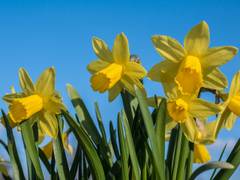
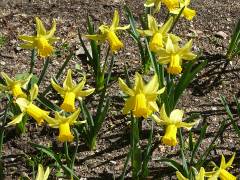
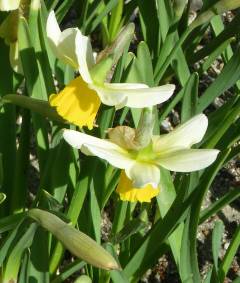
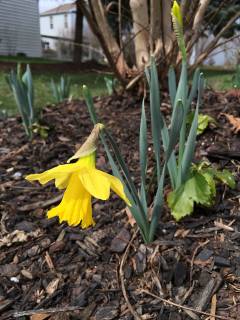
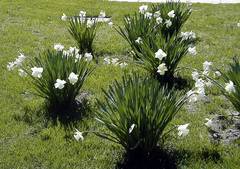
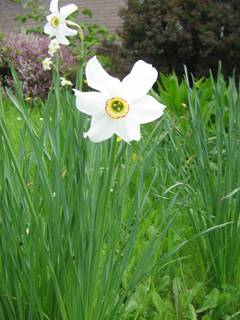
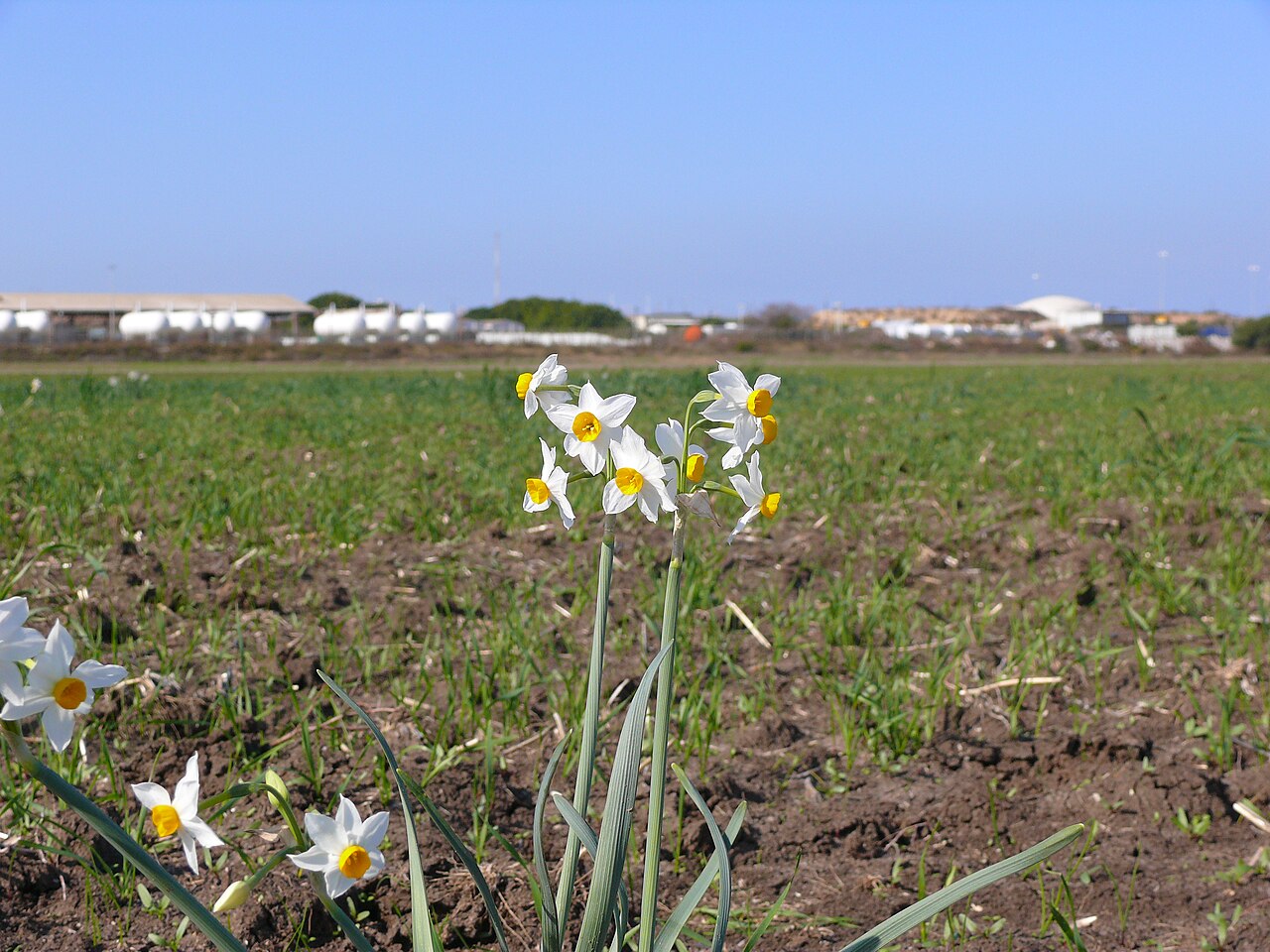
Narcissus tazetta is a bulbous perennial in the amaryllis family (Amaryllidaceae), 12–18 inches (30–45 cm) tall and 6–9 inches (15–23 cm) wide. Bulbs are ovoid, 1.5–2 inches (4–5 cm) in diameter, with a brown papery tunic. Leaves are flat, strap-shaped, gray-green, 12–18 inches (30–45 cm) long and 0.5–0.75 inch (13–19 mm) wide. Flower stalks are flattened and carry umbels of 3–8 flowers, occasionally up to 20; each flower is 1–1.5 inches (2.5–4 cm) wide with six white tepals and a cup 0.25–0.5 inch (6–13 mm) deep that is yellow in typical plants and white in selections such as 'Ziva'. The flowers are strongly fragrant. Leaves emerge in fall in mild climates and die back by late spring. All parts contain lycorine and other alkaloids, with the highest concentration in the bulb; ingestion causes vomiting and diarrhea in pets and humans. Plants are hardy in USDA zones 8–10, with leaf damage at 15°F (−9°C), and bulbs rot in wet summer soil.
Native Range
Narcissus tazetta is native to the Mediterranean region, from Portugal and Morocco east to Iran. It grows in meadows and open scrub, and has been cultivated and naturalized in China and Japan for centuries.Suggested Uses
Grown in beds, borders, and naturalized lawns in zones 8–10, and as forced bulbs in pots, pebble trays, or water vessels indoors. Cut flowers are used in arrangements, and early flowers are visited by bees.How to Identify
Appearance
Size & Dimensions
Height1' - 1'6"
Width/Spread6" - 9"
Bloom Information
Detailed Descriptions
Flower Description
White with a yellow or white cupFoliage Description
Gray-greenGrowing Conditions
Sun Requirements
Requires 4-10 hours of direct sunlight daily
• Full Sun: 6+ hours of direct sunlight
• Partial Shade: 3-6 hours of direct sunlight
• Full Shade: Less than 3 hours of direct sunlight
Care & Maintenance
Care Guide
Grows in full sun to part shade in well-drained sandy or loam soil with a pH of 6.0–7.5. Hardy in USDA zones 8–10. Bulbs are planted 4–6 inches (10–15 cm) deep and 4–6 inches (10–15 cm) apart in fall. Plants receive 1 inch (25 mm) of water per week during growth and dry conditions during summer dormancy. Foliage remains until it yellows, 6–8 weeks after flowering, to renew the bulb. Basal rot and bulb mites affect bulbs in wet or warm soil.Pruning
Spent flower stalks are cut at the base after blooming, and leaves are left in place until yellow, 6–8 weeks after flowering. Removing green leaves early reduces flowering the following year.Pruning Schedule
Prune: April–May
late spring
Container Growing
Suitable for container growing
Minimum container size: 1 gallons