Myosotis, Genus, spp., Multiple species,
- Genus
- Multiple species
Forget-me-nots
Temperate Europe, Asia, the Americas, and New Zealand
Overview
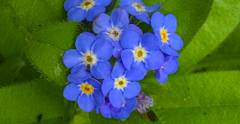
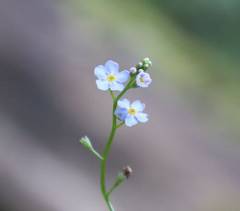
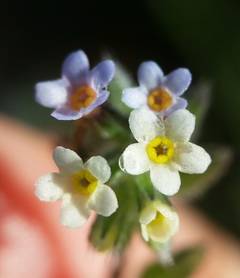
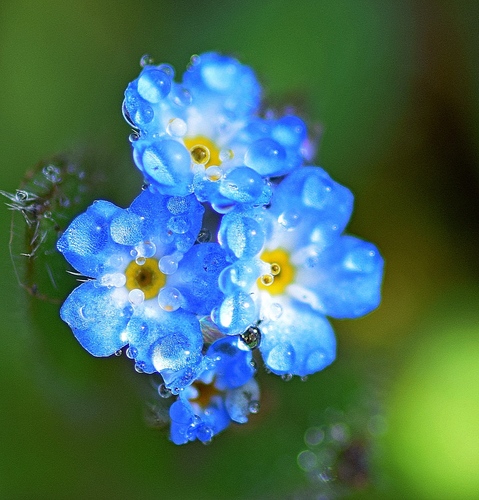
Myosotis is a genus of about 50 to 100 species of low-growing annuals, biennials, and short-lived perennials in the borage family, Boraginaceae, found in temperate regions of Europe, Asia, the Americas, and New Zealand. Plants form low mounds 5 to 12 inches (12 to 30 cm) tall and 6 to 12 inches (15 to 30 cm) wide, with soft, hairy, oblong to lance-shaped leaves 1 to 3 inches (2.5 to 8 cm) long. The flowers are small, five-lobed, and 0.2 to 0.4 inch (5 to 10 mm) across, sky-blue with a yellow or white central eye, and in some species pink or white. They open in coiled clusters that unroll as the buds develop, from spring into early summer. Many species set seed freely and naturalize in moist ground, returning year after year from self-sown seedlings even where the parent plant is short-lived. Myosotis grows in USDA zones 3 to 8 in cool, moist soil and partial shade. Plants decline in hot, dry summers, and dense self-seeding can spread beyond the intended planting area.
Native Range
Native to temperate regions of Europe, Asia, North and South America, and New Zealand, growing in damp meadows, woodland edges, and along stream banks. The widely grown garden forget-me-not, M. sylvatica, originates in Europe.Suggested Uses
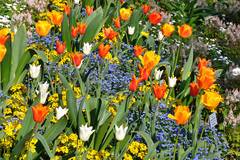
Planted in shaded borders, woodland gardens, and along stream and pond margins, and used as spring underplanting beneath tulips and other bulbs. The water forget-me-not, M. scorpioides, grows in shallow water and is planted at pond edges. Plants also fill containers and window boxes in spring.How to Identify
Appearance
Size & Dimensions
Height5" - 1'
Width/Spread6" - 1'
Bloom Information
Flowers from spring into early summer, roughly April through June, in coiled clusters that unfurl over several weeks. In cool climates the bloom period runs longer, while heat shortens it. Seed sets quickly after flowering and scatters around the parent plant.
Detailed Descriptions
Flower Description
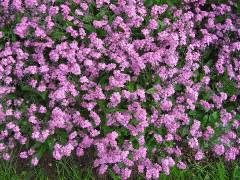
sky-blue with a yellow eye, occasionally pink or whiteFoliage Description
greenGrowing Conditions
Sun Requirements
Requires 3-6 hours of direct sunlight daily
• Full Sun: 6+ hours of direct sunlight
• Partial Shade: 3-6 hours of direct sunlight
• Full Shade: Less than 3 hours of direct sunlight
Water & Climate
Water Needs
Care & Maintenance
Care Guide
Grows in partial shade to full sun where summers are cool, in consistently moist, humus-rich soil. Dry soil and high heat cut the plants short, so steady moisture extends both growth and bloom. No fertilizer is needed in average garden soil. Hardy types overwinter in USDA zones 3 to 8, while biennial and annual forms complete their cycle in one or two seasons and then rely on self-sown seedlings. Powdery mildew can appear on foliage in dry, crowded conditions. Self-seeding is prolific and may need thinning to keep plants in bounds.Pruning
Shearing the plants back after the main flush tidies the foliage and reduces self-seeding. Spent plants are pulled once they yellow, leaving self-sown seedlings to carry the next generation. No structural pruning is required.Container Growing
Suitable for container growing
Minimum container size: 1 gallons