Myosotis, Genus, sylvatica, Species,
- Genus & species
Forget-me-not
SunPart Shade – Full Sun
WaterMedium
Overview
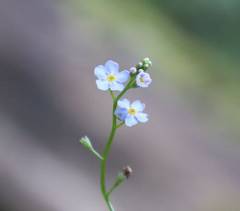
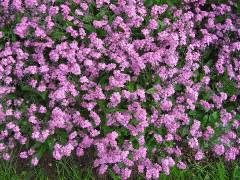
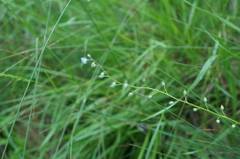
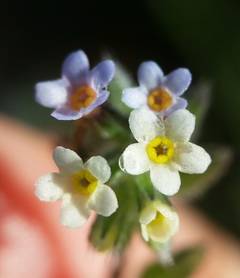
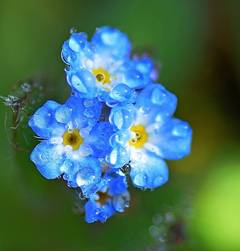
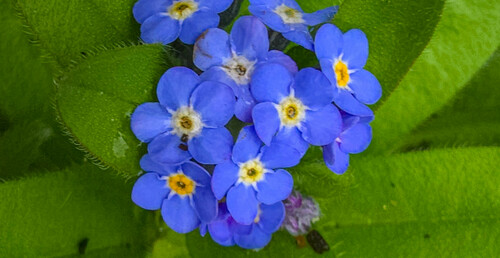
Myosotis sylvatica is a softly hairy biennial or short-lived perennial in the borage family (Boraginaceae) reaching 6–18 inches (15–45 cm) tall with a 6–12 inch (15–30 cm) spread, forming dense, mounding clumps. Stems are erect to ascending, branching, covered in soft, spreading hairs. Basal leaves are oblong to spatulate, 1–3 inches (2.5–8 cm) long, with petioles; stem leaves are smaller, sessile, oblong. All leaves are softly hairy on both surfaces. Flowers are sky blue with a yellow center (eye), 0.3–0.4 inch (7–10 mm) across, five-petaled, salverform, borne in one-sided, coiled scorpioid cymes (characteristic of Boraginaceae) that uncoil as flowers open. Buds are often pink before opening blue. Fruit consists of 4 smooth, dark nutlets per flower, enclosed in the persistent calyx with hooked hairs that adhere to clothing and animal fur. A single plant produces 500–3,000 seeds. Self-seeding prolifically in moist, shaded garden settings. Originally planted as an ornamental, widely escaped and naturalized in the Pacific Northwest in woodland gardens, shaded borders, and moist disturbed areas.
Native Range
Native to Europe and western Asia, occurring in moist woodlands, meadow margins, and hedgerows from sea level to approximately 6,500 feet (2,000 m). Introduced to North America as a garden ornamental. Widely naturalized in the Pacific Northwest, particularly in shaded residential gardens, parks, and moist woodland edges.Suggested Uses
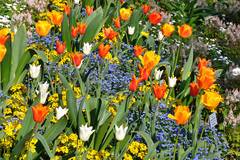
Used in Boraginaceae identification courses for teaching the scorpioid cyme inflorescence type, salverform corolla, and 4-nutlet fruit. The pink-to-blue flower color change is studied in anthocyanin pH chemistry. Included in garden-escape weed discussions. Widely used in spring garden displays and naturalized woodland plantings where controlled self-seeding is acceptable.How to Identify
Appearance
Size & Dimensions
Height6" - 1'6"
Width/Spread6" - 1'
Bloom Information
Flowers from April through June. Scorpioid cymes uncoil over 2–4 weeks, opening new flowers progressively. In the Pacific Northwest, peak bloom occurs in late April through May. Self-pollinating and insect-pollinated. Nutlets mature in the persistent calyx 3–4 weeks after flowering. Hooked calyx hairs facilitate animal dispersal.
Detailed Descriptions
Flower Description
Sky blue with yellow centerFoliage Description
Medium green, oblong to spatulate, softly hairy on both surfaces; basal leaves with petioles, upper leaves sessileGrowing Conditions
Sun Requirements
Requires 3-8 hours of direct sunlight daily
• Full Sun: 6+ hours of direct sunlight
• Partial Shade: 3-6 hours of direct sunlight
• Full Shade: Less than 3 hours of direct sunlight
Care & Maintenance
Care Guide
Readily managed by pulling before seed maturity; the shallow, fibrous root system extracts easily. The biennial or short-lived habit means plants do not persist from roots. The prolific self-seeding is the primary management challenge — dense stands produce thousands of seeds that germinate the following fall. Pulling or hoeing before the scorpioid cymes set seed prevents the next generation. Mulching with 2–3 inches (5–8 cm) of organic material suppresses germination. In garden settings where some self-seeding is desired, allowing a few plants to set seed while removing the majority maintains a controlled population.Pruning
No pruning applicable. Plants are pulled after flowering but before nutlets mature. Shearing the flowering stems with scissors before seed set in a dense patch prevents self-seeding while leaving the foliage as temporary ground cover until it deteriorates.Container Growing
Suitable for container growing
Minimum container size: 1 gallons