Muscari, Genus, latifolium, Species,
- Genus & species
broad-leaved grape hyacinth
SW Turkey (open pine forests, rocky slopes, alpine meadows; 3000-6500 ft / 900-2000 m)
Overview
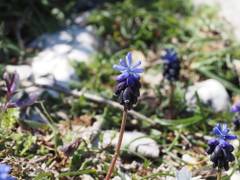
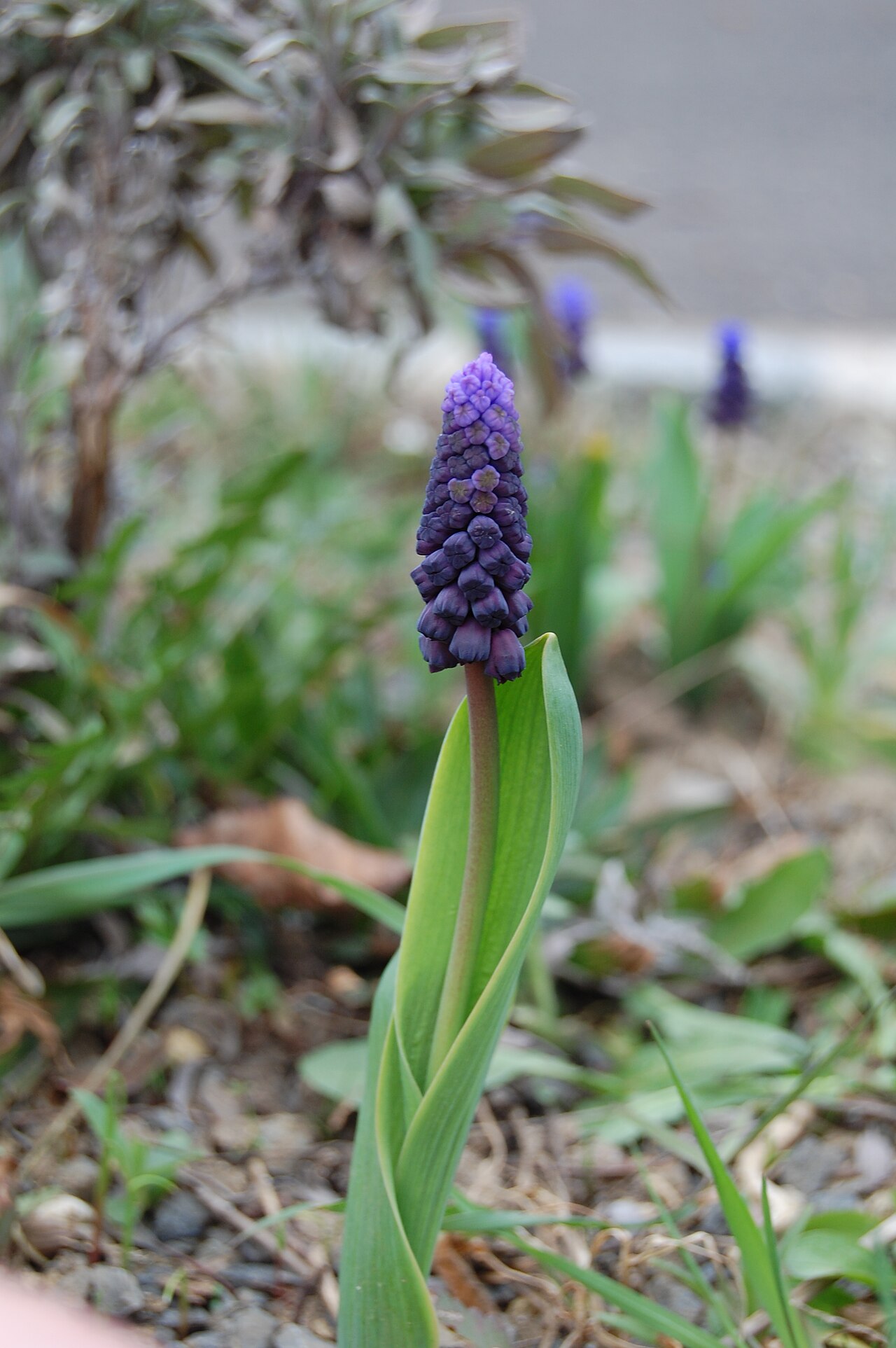
Muscari latifolium is a bulbous perennial reaching 6-10 inches (15-25 cm) tall with a spread of 3-4 inches (8-10 cm) per bulb. Native to southwestern Turkey, this species is distinguished from other grape hyacinths by its bicolored flower spike and single broad leaf. Each bulb produces one wide, strap-shaped basal leaf 0.5-1 inch (1.3-2.5 cm) wide and 6-10 inches (15-25 cm) long—much wider than the narrow grasslike leaves of M. armeniacum. The dense raceme is distinctly bicolored: the lower fertile flowers are dark violet-blue to blackish-blue, urn-shaped, while the upper sterile flowers are pale blue to violet, creating a two-toned effect. Flowers appear in March-April. Growth rate is moderate. Hardy to zone 4. Naturalizes by self-seeding and offset multiplication but less aggressively than M. armeniacum. Goes dormant by early summer.
Native Range
Muscari latifolium is native to southwestern Turkey, in open pine forests, rocky slopes, and alpine meadows at 3,000-6,500 feet (900-2,000 m).Suggested Uses
Planted in drifts, rock gardens, or under deciduous trees and shrubs at 3-4 inch (8-10 cm) spacing, 3-4 inches (8-10 cm) deep. The bicolored flower spike is a spring feature. Naturalizes moderately. Plant among later-emerging perennials to conceal the dying foliage. Goes completely dormant by early summer—mark locations to avoid accidental disturbance. Not suitable for formal bedding where summer gaps are unacceptable.How to Identify
Appearance
Size & Dimensions
Height6" - 10"
Width/Spread3" - 4"
Bloom Information
Dense racemes of bicolored urn-shaped flowers in March-April: lower fertile flowers dark violet-blue to blackish-blue, upper sterile flowers pale blue to violet. Each raceme 1-2 inches (2.5-5 cm) long on stems 6-10 inches (15-25 cm). Bloom duration is 2-3 weeks. Foliage dies back by early summer.
Detailed Descriptions
Flower Description
Bicolored: lower dark violet-blue to blackish-blue, upper pale blue to violet; dense urn-shaped raceme; Mar-AprFoliage Description
Medium green; single broad strap-shaped 0.5-1 inch wide per bulb; dies back by early summerGrowing Conditions
Sun Requirements
Requires 4-10 hours of direct sunlight daily
• Full Sun: 6+ hours of direct sunlight
• Partial Shade: 3-6 hours of direct sunlight
• Full Shade: Less than 3 hours of direct sunlight
Care & Maintenance
Care Guide
Plant bulbs 3-4 inches (8-10 cm) deep in full sun to partial shade in well-drained soil (pH 6.0-7.5) in autumn. Hardy to zone 4. Tolerates summer dormancy—plant among later-emerging perennials or groundcovers to conceal dying foliage. Naturalizes by seed and offsets. Leave foliage to ripen naturally until it yellows. No supplemental watering needed during dormancy.Pruning
Allow foliage to yellow and die back naturally after flowering (by early summer). Do not cut or braid leaves before they yellow, as the bulb needs the foliage to store energy. Remove yellowed foliage when it detaches easily.Pruning Schedule
Prune: June
summer
Container Growing
Suitable for container growing
Minimum container size: 1 gallons