Muhlenbergia, Genus, spp., Multiple species,
- Genus
- Multiple species
muhly
Southwestern USA and Mexico, with species across the Americas and Asia
Overview
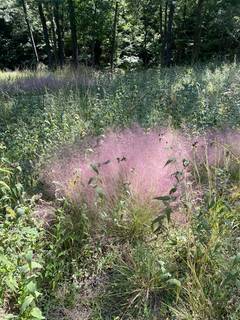
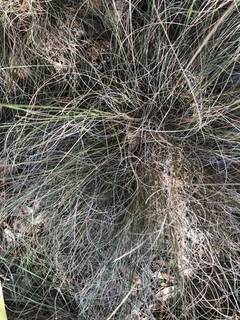
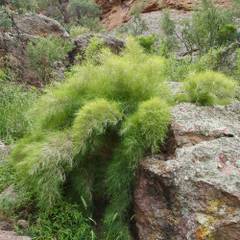
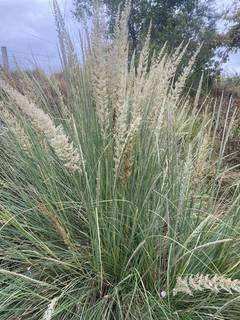
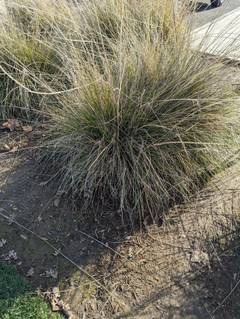
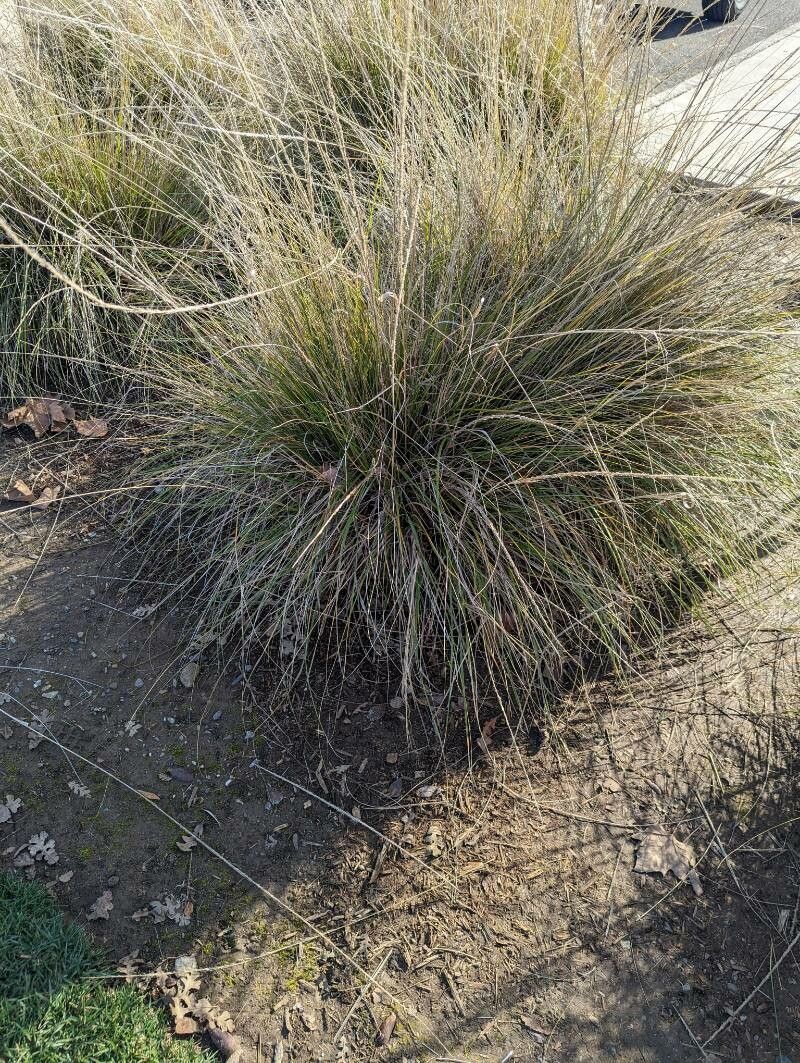
Muhlenbergia is a genus of about 150–180 warm-season grasses in the family Poaceae, concentrated in the southwestern United States and Mexico with additional species through the Americas and a few in Asia. Most are perennial bunchgrasses that form dense, fountain-like clumps of narrow, wiry leaves, ranging from low tufts 1 ft (30 cm) tall to robust mounds 5 ft (1.5 m) or more across the genus. The slender leaf blades are green to grey-green, often rolling inward, and many species stay semi-evergreen in mild winters. From late summer into autumn, slender flowering stems carry airy, open panicles of tiny spikelets that create a haze of colour above the foliage in pink, red-purple, tan, or silver depending on species, as in the pink clouds of M. capillaris and the narrow spikes of M. rigens. The seed heads age to buff and persist into winter. Muhlenbergia grows in full sun and well-drained soil, tolerating heat, drought, and poor or rocky ground once established. Some species spread by rhizomes and can colonise, while the clumping species stay in place but can be slow to establish from seed.
Native Range
Muhlenbergia is centred in the arid and semi-arid southwestern United States and Mexico, with species also ranging through the Great Plains, eastern North America, the Andes, and parts of Asia. The grasses grow in prairies, deserts, rocky slopes, open woodland, and seasonally wet swales, depending on the species.Suggested Uses
Muhlenbergia is grown in masses, drifts, and prairie or gravel gardens for its autumn flower haze and threadlike texture. The drought-tolerant species suit xeriscapes, slopes, and roadside plantings, and M. rigens is used for erosion control and as a clipped accent. The airy panicles also hold up in cut and dried arrangements.How to Identify
Appearance
Size & Dimensions
Height1' - 5'
Width/Spread1' - 4'
Bloom Information
Flowering occurs from late summer into autumn, generally September to November, when the airy panicles open above the foliage. The colour holds for several weeks before the seed heads fade to buff. The dried panicles and foliage carry interest into winter.
Detailed Descriptions
Flower Description
pink, red-purple, tan, and silverFoliage Description
green to grey-greenGrowing Conditions
Sun Requirements
Requires 6-12 hours of direct sunlight daily
• Full Sun: 6+ hours of direct sunlight
• Partial Shade: 3-6 hours of direct sunlight
• Full Shade: Less than 3 hours of direct sunlight
Water & Climate
Water Needs
Drought Tolerance
Drought tolerant when established
Care & Maintenance
Care Guide
Muhlenbergia grows in full sun and sharply drained soil, including sandy, rocky, and poor ground, and most species tolerate prolonged drought once established. The clumps need little feeding and decline in rich, wet soils, which can cause the centres to open and rot. Plants are slow to establish in their first season and reach full size in two to three years. Hardiness varies across the genus, with M. capillaris reliable to USDA zone 6 and desert species limited to warmer zones. Propagation is by seed or by division of the clumps in spring. The rhizome-spreading species can move beyond their planted area in moist ground.Pruning
The clumps are cut back to a few inches above the crown in late winter before new growth begins. Removing the old foliage in one shearing keeps the clump tidy and lets the fresh blades emerge cleanly. Division at the same time rejuvenates clumps that have opened at the centre.Pruning Schedule
Prune: February–March
winter
Container Growing
Suitable for container growing
Minimum container size: 3 gallons