Muhlenbergia, Genus, capillaris, Species,
- Genus & species
pink muhly grass
Eastern and southern United States — from Massachusetts south to Florida and west to Texas and Kansas; coastal pine savannas, sandy roadsides, dry prairies, and well-drained open habitats across the Atlantic and Gulf coastal plains.
Overview
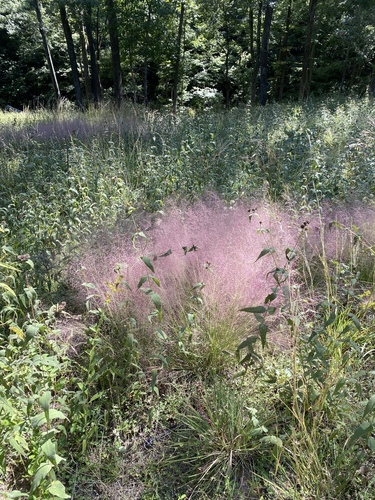
Muhlenbergia capillaris is pink muhly grass (Gulf muhly), one of the higher-impact fall-display ornamental grasses available for southern United States garden planting, growing 36-48 inches (90-120 cm) tall and wide including the flower plumes as a clumping warm-season ornamental grass in the grass family (Poaceae). The species name 'capillaris' is Latin for 'hair-like' and references the extremely thin, hair-thin individual flower stalks that compose each large airy panicle — the slender flower-stalk texture is the structural origin of the species' principal visual signature. From September through November across a 6-week active flowering window, enormous cotton-candy pink to rose-pink airy panicles emerge, expand, and envelop the entire foliage clump in a luminous pink cloud effect, with the cloud-like quality coming from the way that millions of hair-thin pink flower stalks scatter the available light at the millimeter scale to produce a soft glowing color effect rather than the sharp-edged reading of a solid-block flower color. The visual effect is at its most powerful when the panicles are backlit by low-angle autumn morning or evening sun, and the species is widely photographed in fall garden design specifically for the backlit pink-cloud effect that occurs reliably from late September through early November in zones 7-10. The genus Muhlenbergia was named after Gotthilf Heinrich Ernst Muhlenberg (1753-1815), the Pennsylvania Lutheran minister and self-trained botanist who described many North American grass species during his late-18th and early-19th-century botanical investigations and is the namesake of the genus. The species is a native warm-season ornamental grass for the eastern and southern United States — different from the cool-season ornamental grass group (Festuca, Calamagrostis) that grows actively in spring and fall and goes summer-dormant, the warm-season grass group (Muhlenbergia, Panicum, Schizachyrium, Andropogon) grows actively through the heat of summer and produces the principal flower display in late summer or fall after summer growth is complete. The C4 photosynthetic pathway used by warm-season grasses is biochemically more efficient at high temperatures than the C3 pathway used by cool-season grasses; this physiological difference is the underlying reason for the divergent growth-and-bloom timing between the two ornamental-grass groups. The species' Atlantic and Gulf coastal-plain native habitat means cultivation success is strongest in zones 7-10 with the warm summers and the long fall season the species evolved with; in zone 6 the species is cold-hardy but the fall color development is sometimes incomplete before the first hard frost terminates the bloom, and the cultivation is most reliable in the southeastern United States where the fall season runs long enough for the bloom to develop fully. Sharp drainage and lean sandy or rocky substrate are essential for long-term success: the species rots in wet-bottom or heavy-clay positions and produces leggy weak growth in rich high-fertility conditions. Cut the entire clump to 6 inches in late February through March before new spring growth emerges; leave the pink panicles and the golden-tan winter persistence standing through the dormant season for the structural and color value across fall and winter. Drought-tolerant once established. Deer avoid the foliage. The species is non-toxic to humans and pets.
Native Range
Muhlenbergia capillaris is native to the eastern and southern United States with a continuous native range from southeastern Massachusetts and southern New Jersey south through the eastern coastal plain and Piedmont to Florida and west through the Gulf coast to Texas and into eastern Kansas. The species occurs in coastal pine savannas, sandy roadside cuts, dry prairies, longleaf pine ecosystems, sandhills, and well-drained open habitats across the Atlantic and Gulf coastal plains, with the species' physiological adaptation to lean sandy substrate, full sun, and warm-summer climate reflecting the open coastal-plain habitats where most native populations occur. The species is a foundational native grass for native-plant gardens, prairie-restoration plantings, and pollinator-supporting ornamental plantings across the southeastern United States and reaches the northern edge of cultivation reliability in zones 6-7 of the temperate eastern United States.Suggested Uses
Used in mass plantings for the pink-cloud landscape effect at scale, in mixed perennial borders as a fall-color accent, on sunny slopes and lean-substrate planting positions, in xeric drought-tolerant gardens, and in container plantings of 7 gallons (26 liters) or larger. The pink-cloud fall display at mass-planting scale is the species' principal landscape application — single-specimen plantings show the pink cloud at small scale, but mass plantings of 7 or more individuals across a planting area produce the full backlit-pink-cloud effect that has made the species widely photographed for fall garden display. The species pairs with companion warm-season ornamental grasses (Schizachyrium scoparium little bluestem, Sporobolus heterolepis prairie dropseed, Panicum virgatum switchgrass) and with late-summer-and-fall-blooming companion perennials (Aster, Solidago, Liatris) for a coordinated native-meadow garden composition where the Muhlenbergia pink-cloud display anchors the fall planting at the visual center.How to Identify
Appearance
Size & Dimensions
Height3' - 4'
Width/Spread3' - 4'
Colors
Bloom Information
Cotton-candy pink to rose-pink airy panicles 12-18 inches (30-45 cm) tall and equally wide open from September through November across a 6-week active flowering window, with the peak pink color occurring in mid-October across most of the cultivated range. The panicle architecture — millions of hair-thin individual flower stalks each carrying a small individual flower — creates the cloud-like luminous color effect that distinguishes the species from sharp-edged solid-block flower colors of other ornamental grasses. After the peak pink color fades, the panicles age to tan-pink and then golden-tan that persists through winter as continuing structural and color value across the dormant season. Pollination is by wind in the typical grass family pattern, with the flower color being decorative rather than pollinator-attracting (grasses do not depend on insect pollinators).
Detailed Descriptions
Flower Description
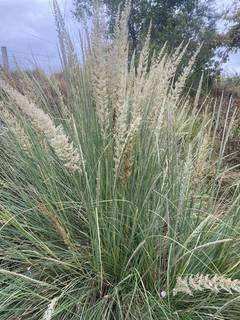
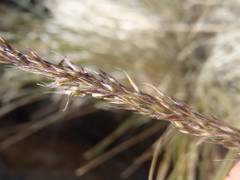
Cotton-candy pink to rose-pink airy panicles 12-18 inches (30-45 cm) tall and equally wide, composed of millions of hair-thin individual flower stalks that scatter the available light to produce a luminous cloud-like color effect — the species name 'capillaris' is Latin for 'hair-like' and references the extremely slender flower-stalk texture that creates the species' defining visual signature; the panicle persists past peak color as it ages to a tan-pink and then golden-tan that holds through winterFoliage Description
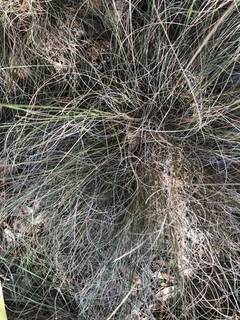
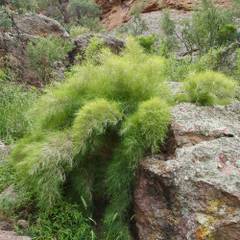
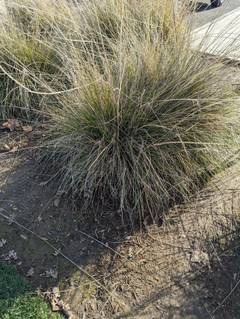
Dark green; very narrow wiry hair-thin leaf blades arranged in a dense fountain-shaped clump that holds a finely-textured visual quality through the summer growing season; the foliage browns to golden-tan with the first hard frost and persists through winter as a structural featureGrowing Conditions
Sun Requirements
Requires 6-12 hours of direct sunlight daily
• Full Sun: 6+ hours of direct sunlight
• Partial Shade: 3-6 hours of direct sunlight
• Full Shade: Less than 3 hours of direct sunlight
Care & Maintenance
Care Guide
Plant in full sun with at least 6 hours of direct light. Sharply drained lean sandy or rocky soil at pH 5.5-7.5 supports the species; the species' coastal-plain sandhill native habitat reflects a strong physiological preference for sharp drainage and lean substrate, and the species rots in wet-bottom or heavy-clay positions and produces leggy weak growth in rich high-fertility conditions. Watering is during establishment only because the species is drought-tolerant once the basal-clump root system develops. Fertilization is omitted because the species is adapted to lean substrate and over-fertilization produces excessive vegetative growth at the expense of flowering. The single annual maintenance task is cutting the entire clump to 6 inches above ground level in late February through March before new spring growth emerges; leave the pink panicles and the golden-tan winter persistence standing through fall and winter for the structural and color value across the dormant season. The species performs reliably in zones 7-10 where the warm-summer-and-long-fall climate matches the species' coastal-plain native physiology; in zone 6 the species is cold-hardy but the fall color development can be incomplete before the first hard frost terminates the bloom, and the cultivation is most reliable in the southeastern United States.Pruning
Cut the entire clump to 6 inches (15 cm) above ground level in late February through March before new spring growth emerges. The pink panicles and the golden-tan winter persistence are left standing through fall and winter for the structural and color value across the dormant season — early-fall cleanup that removes the panicles sacrifices the species' principal seasonal-interest feature.Pruning Schedule
Prune: February–March
early spring
Container Growing
Suitable for container growing
Minimum container size: 7 gallons