Monstera, Genus, spp., Multiple species,
- Genus
- Multiple species
monsteras
Tropical Mexico, Central America, and South America
Overview
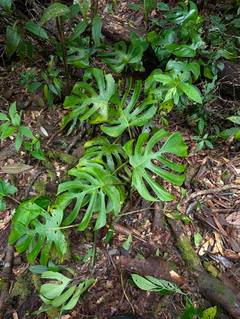
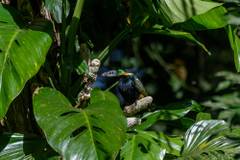
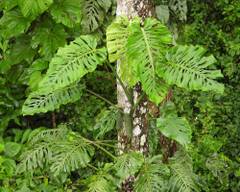
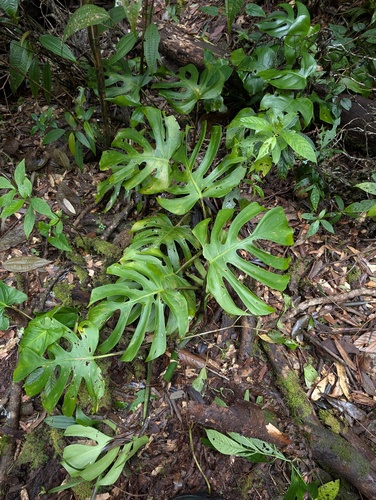
Monstera is a genus of about 50 species of evergreen climbing plants in the arum family, Araceae, native to the tropical forests of Mexico, Central America, and South America. Plants begin life on the forest floor and climb tree trunks as hemiepiphytes, clinging by long aerial roots and reaching 3-20 m (10-66 ft) up into the canopy. The leathery leaves are large, 25-90 cm (10-35 in) long, and in many species develop holes or deep slits between the veins as they mature, the trait behind the name Swiss cheese plant. The flowers are tiny and packed on a pale spadix wrapped in a hooded, cream to white spathe, in the typical arum arrangement. Monstera deliciosa bears a cone-like fruit that becomes edible only when fully ripe; the unripe fruit and all other parts contain needle-like calcium oxalate crystals that irritate the mouth, skin, and digestive tract of people and pets. Plants need warmth, humidity, and support, and are grown as houseplants and conservatory climbers far beyond the tropics, where low light and dry air limit the size and leaf perforation they reach.
Native Range
Monstera is native to the tropical forests of the Americas, from southern Mexico through Central America to Brazil and Bolivia. Plants grow in warm, humid, shaded forest, climbing tree trunks from the floor toward the canopy.Suggested Uses
Monstera is grown as a foliage houseplant, in conservatories, and as an outdoor climber on trees and walls in frost-free gardens. M. deliciosa is also grown in the tropics for its ripe fruit. The bold, perforated leaves are used for indoor greenery and in cut-foliage arrangements.How to Identify
Appearance
Size & Dimensions
Height10' - 66'
Width/Spread3' - 8'
Bloom Information
Flowering occurs mainly in the warm season on mature plants in the tropics or in warm conservatories, and is uncommon on indoor houseplants. Each inflorescence is a pale spadix in a hooded cream spathe that lasts several days. In M. deliciosa the spadix develops over many months into a ripe, edible fruit.
Detailed Descriptions
Flower Description
Cream to white spatheFoliage Description
Glossy dark greenGrowing Conditions
Sun Requirements
Needs bright indirect light. Keep it out of direct sun, which can scorch the leaves.
• Bright indirect light: a bright spot near a window, with no direct sun on the leaves
Care & Maintenance
Care Guide
Monstera grows in warm, humid conditions in bright, indirect light to part shade, in rich, well-drained, organic soil with a moss pole or trunk to climb. Plants need steady moisture but rot in waterlogged soil and are frost-sensitive, surviving outdoors only in frost-free climates, roughly USDA zones 10-12. Indoors they tolerate lower light but make smaller, less perforated leaves and grow slowly. The aerial roots attach to supports and draw moisture from humid air. All parts contain calcium oxalate crystals that are toxic to pets and irritating to people if chewed. Climbing stems grow long and need a sturdy support or regular cutting back.Pruning
Overlong stems are cut back in spring to control size, and the cut sections root readily as new plants. Yellowing or damaged leaves are removed at the base. Aerial roots are trained onto the support or trimmed, and the sap can irritate skin during cutting.Pruning Schedule
Prune: March–April
early spring
Container Growing
Suitable for container growing
Minimum container size: 5 gallons