Image 1 of 9
Plant Reference
1 / 9
Monstera, Genus, adansonii, Species,
- Genus & species
Swiss cheese vine
Central and South America — Mexico south to Brazil
Overview
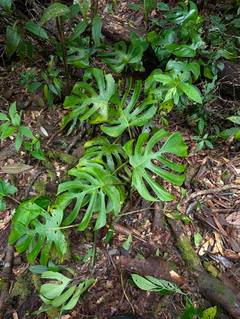
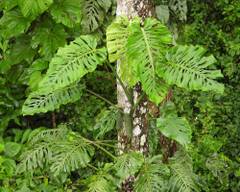
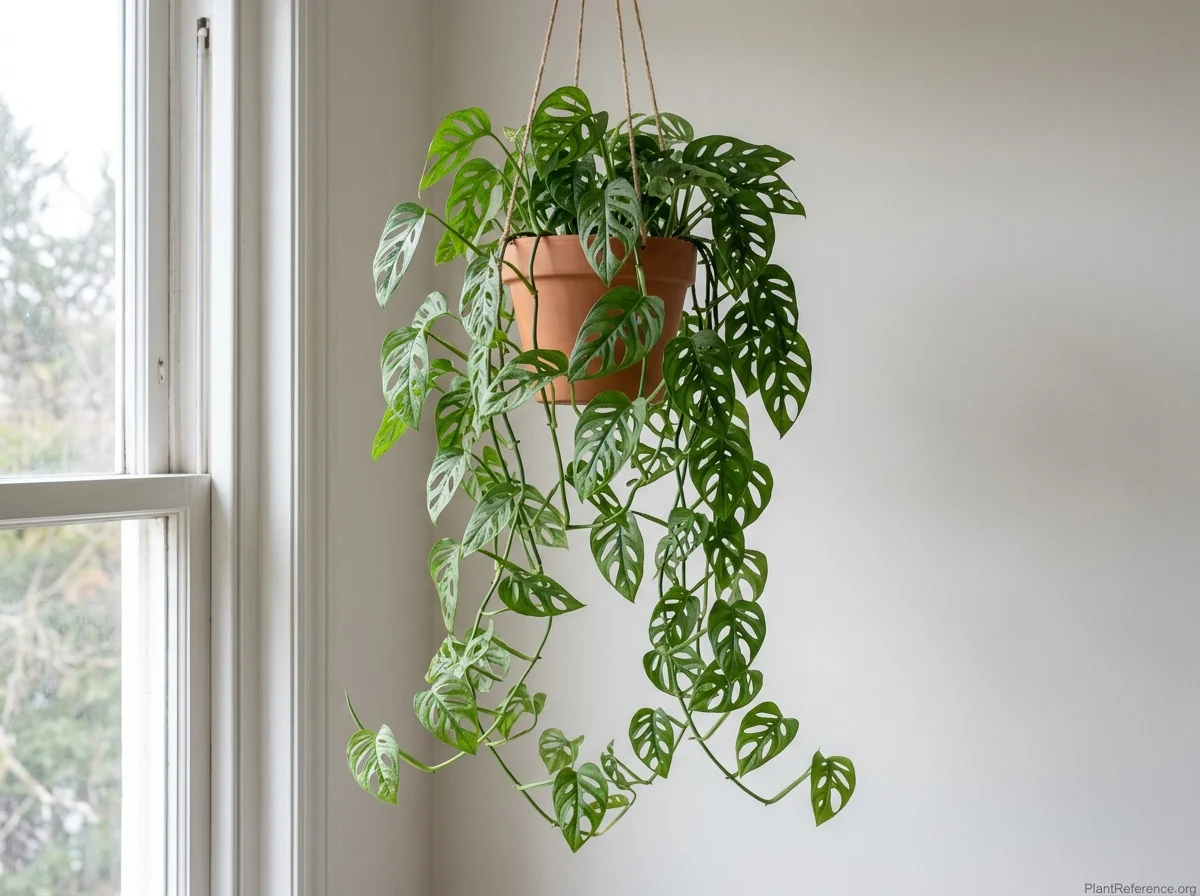
Monstera adansonii is the Swiss cheese vine, climbing or trailing 36–96 inches (90–240 cm). Dark green leaves 4–8 inches (10–20 cm) long with numerous oval to elongated fenestrations (holes) scattered throughout the leaf blade. Named after Michel Adanson, the French botanist. Distinguished from M. deliciosa by smaller leaves (4–8 inches / 10–20 cm vs. 18–36 inches / 45–90 cm), more numerous and smaller fenestrations distributed throughout the blade (vs. splits concentrated at the margin in M. deliciosa), and a more vine-like trailing or climbing habit. Fenestrations develop larger and more numerously on climbing plants given vertical support (moss pole or trellis) compared to trailing specimens. Faster-growing than M. deliciosa. Propagates from single-node stem cuttings in water within 2–4 weeks. Toxic to cats and dogs (calcium oxalate raphides). Native to Central and South America, where it climbs tree trunks in tropical forest understory. Bright indirect light; direct sun burns the thin leaf tissue. Keep soil evenly moist. Humidity above 50% reduces brown leaf margins.
Native Range
Monstera adansonii is native to Central and South America — Mexico south to Brazil.Suggested Uses
Grown on a moss pole, trellis, or in a hanging basket in containers of 2–3 gallons (8–12 liters). Climbing support increases leaf size and fenestration development. Suited to bright, humid indoor locations.How to Identify
Appearance
Size & Dimensions
Height3' - 8'
Width/Spread1' - 2'
Colors
Bloom Information
Spathe-and-spadix inflorescence rarely produced indoors. The fenestrated foliage is the year-round display.
Detailed Descriptions
Flower Description
White spadix with green spathe (rare indoors)Foliage Description
Dark green with numerous oval to elongated HOLES (fenestrations) throughout the leaf blade — the Swiss cheese patternGrowing Conditions
Sun Requirements
Requires 4-6 hours of direct sunlight daily
• Full Sun: 6+ hours of direct sunlight
• Partial Shade: 3-6 hours of direct sunlight
• Full Shade: Less than 3 hours of direct sunlight
Care & Maintenance
Care Guide
Bright indirect light — no direct sun. Keep soil evenly moist but not saturated. Humidity above 50% reduces brown margins. Climbing support (moss pole) increases leaf size and fenestration development. Toxic to cats and dogs (calcium oxalate).Pruning
Prune to control vine length. Stem cuttings with at least one node propagate in water within 2–4 weeks.Container Growing
Suitable for container growing
Minimum container size: 3 gallons