Molinia, Genus, caerulea, Species,
- Genus & species
Purple moor grass
Europe, western Asia, and northern Africa
Overview
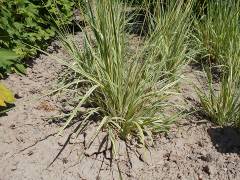
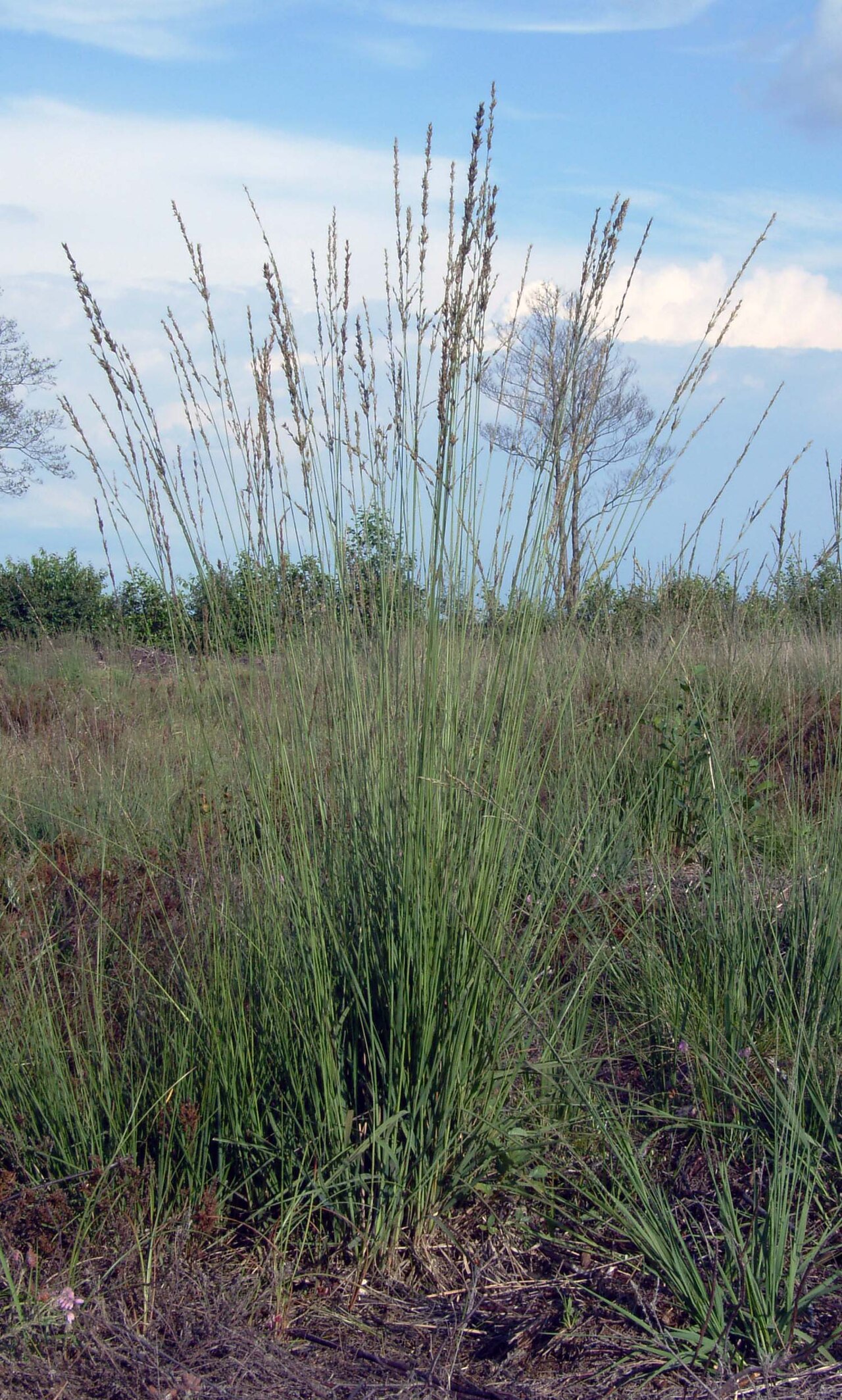
Molinia caerulea is a deciduous clump-forming grass with a leaf mound 18-36 inches (45-90 cm) tall and 18-30 inches (45-75 cm) wide, from which flowering stems rise to 3-5 feet (0.9-1.5 m), or to 8 feet (2.4 m) in the tall forms grown as M. arundinacea. Leaves are flat, 6-18 inches (15-45 cm) long and 0.2-0.5 inch (4-12 mm) wide, blue-green through summer and turning gold-yellow to orange-brown over 2-3 weeks in October. Panicles are narrow and 4-16 inches (10-40 cm) long, purple-tinged when fresh, opening from July through September on upright stems that hold them clear of the foliage. Each culm carries a single node within 2 inches (5 cm) of the base, so the stem is unjointed for its whole visible length. Leaves and stems break away cleanly at the base during December and blow off the plant, leaving a bare crown with no winter structure. Plants take 2-3 years to reach full size and increase slowly from seed or division. Growth thins on ground that dries out in summer, and clumps in soil below pH 4.5 or above pH 7.5 stay undersized.
Native Range
Molinia caerulea grows on wet heath, blanket bog, fen margins, damp moorland, and open birch and pine woodland across Europe, western Asia, and northern Africa, from sea level to 3,300 feet (1,000 m). It occupies acidic to neutral peats and mineral soils that stay wet in winter and may dry at the surface in summer. The species has spread across degraded upland blanket bog in Britain and Ireland following drainage, burning, and nitrogen deposition, forming stands that crowd out other vegetation. It is naturalised in parts of northeastern North America.Suggested Uses
Planted in damp borders, prairie-style plantings, and pond margins at 24-36 inch (60-90 cm) spacing, where upright stems hold the panicles above surrounding perennials. Used in wet heath and moorland restoration on acidic peats. Container culture uses pots of 7 gallons (26 L) or larger standing in a saucer of water. The clean winter shedding leaves a bare crown from December to April, so plantings carry no structure through that period.How to Identify
Appearance
Size & Dimensions
Height1'6" - 8'
Width/Spread1'6" - 2'6"
Bloom Information
Panicles open from July through September in zones 4-9, with peak flowering in August. Panicles hold their purple tint for 3-4 weeks and then fade to straw-brown. Total flowering runs 8-10 weeks. Plants under less than 4 hours of sun flower 2-3 weeks later and carry 40-60% fewer stems.
Detailed Descriptions
Flower Description
purple-tinged, fading to strawFoliage Description
blue-green, turning gold-yellow in autumnGrowing Conditions
Sun Requirements
Requires 4-12 hours of direct sunlight daily
• Full Sun: 6+ hours of direct sunlight
• Partial Shade: 3-6 hours of direct sunlight
• Full Shade: Less than 3 hours of direct sunlight
Care & Maintenance
Care Guide
Soil stays moist through the growing season, and clumps thin and flower less where ground dries out from June onward. Plants take 1 inch (25 mm) of water weekly where rain is short, and they grow at pond margins and in ground that floods through winter. Fertiliser is not applied, since nitrogen produces soft growth that falls outward and, in wild stands, drives the spread of the species across bog vegetation. Soil below pH 4.5 or above pH 7.5 holds plants undersized. Clumps establish over 2-3 years and are divided in April or May once growth starts, since autumn division commonly kills the plant. No pests or diseases occur in cultivation.Pruning
No cutting back is required in autumn, since leaves and flowering stems break away cleanly at the base and blow off the plant during December and January. Remaining debris is raked from the crown in February before new growth starts. Cutting the clump in September removes the autumn colour without benefit to the plant. Division in April or May is carried out with a spade through the crown, since the root mass is dense and fibrous.Pruning Schedule
Prune: February
winter
Container Growing
Suitable for container growing
Minimum container size: 7 gallons