Molinia, Genus, caerulea, Species, 'Variegata', Cultivar,
- Genus & species
- Cultivar
variegated purple moor grass
Europe and W Asia (acidic bogs, heathlands, moors; variegated subsp. caerulea selection)
Overview
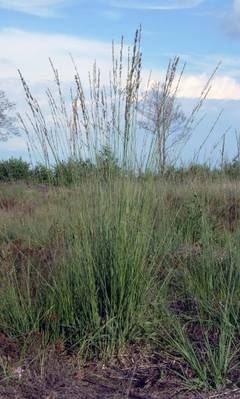
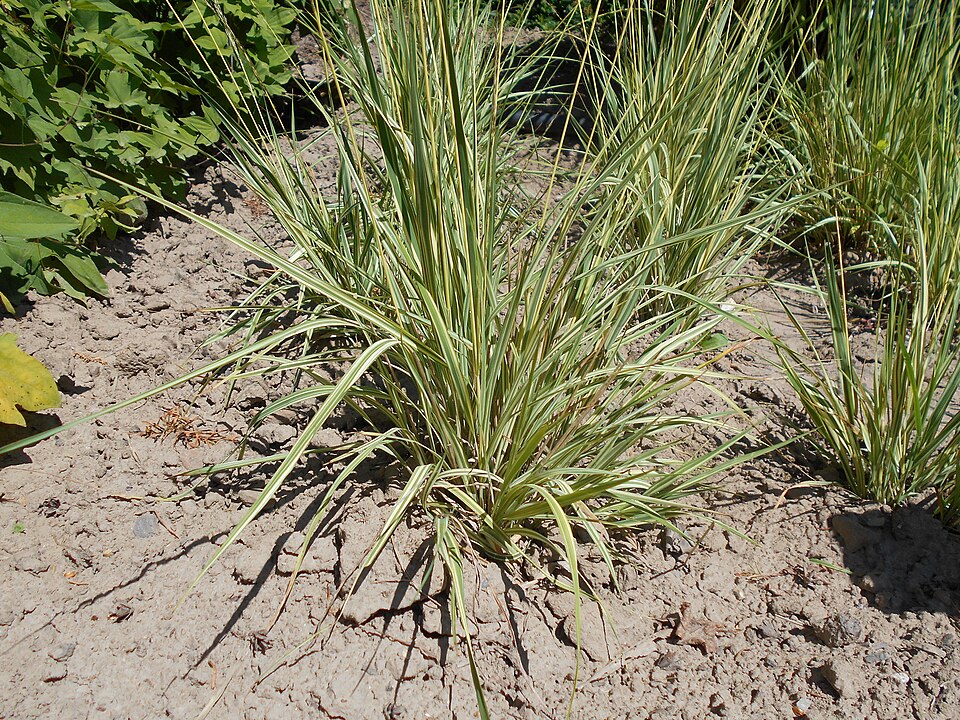
Molinia caerulea 'Variegata' is a compact, deciduous, clump-forming ornamental grass reaching 1.5-2.5 feet (45-75 cm) tall (including flower stems) with a basal foliage mound of 8-12 inches (20-30 cm) and a spread of 1-2 feet (30-60 cm). This cultivar belongs to the M. caerulea ssp. caerulea group and is the only variegated Molinia in common cultivation. The narrow, arching leaves are 0.1-0.2 inch (3-5 mm) wide with cream to pale yellow longitudinal striping on a green background, creating a light, bright appearance. Slender, purplish flower panicles emerge in July-August on wiry stems above the variegated foliage. The foliage turns golden-yellow with residual cream striping in autumn. Growth rate is slow. Hardy to zone 4. Self-cleaning. The smallest and most compact of commonly grown Molinia cultivars.
Native Range
Molinia caerulea is native to Europe and western Asia, in acidic bogs, heathlands, and moors. 'Variegata' is a variegated selection of ssp. caerulea.Suggested Uses
Planted as an edging, accent, or in containers (minimum 3-gallon) at 1-2 foot (30-60 cm) spacing. The compact variegated mound (8-12 inches foliage) suits rock gardens, border fronts, and container plantings. The only variegated Molinia. Self-cleaning. Slow growing. Requires acidic soil. Not suitable for alkaline soils, dry sites, or heavy shade.How to Identify
Appearance
Size & Dimensions
Height1'6" - 2'6"
Width/Spread1' - 2'
Bloom Information
Slender, purplish flower panicles on wiry stems emerging July-August above the variegated foliage. Panicles age to golden-tan. Bloom duration is 6-8 weeks. Self-cleaning in late autumn.
Detailed Descriptions
Flower Description
Purplish aging to golden-tan; slender panicles on wiry stems; Jul-AugFoliage Description
Green with cream to pale yellow longitudinal stripes; narrow 0.1-0.2 inch; arching; golden-yellow autumnGrowing Conditions
Sun Requirements
Requires 4-8 hours of direct sunlight daily
• Full Sun: 6+ hours of direct sunlight
• Partial Shade: 3-6 hours of direct sunlight
• Full Shade: Less than 3 hours of direct sunlight
Care & Maintenance
Care Guide
Plant in full sun to partial shade in acidic to neutral, moist but well-drained soil (pH 4.5-6.5). Hardy to zone 4. Requires acidic soil. Partial shade maintains the brightest variegation in hot climates. Slow growth rate. Self-cleaning. Does not self-seed aggressively.Pruning
Self-cleaning: foliage and flower stems detach at the base in late autumn. Remove any remaining debris in late winter. No additional pruning needed.Pruning Schedule
Prune: February–March
early spring
Container Growing
Suitable for container growing
Minimum container size: 3 gallons