Molinia, Genus, spp., Multiple species,
- Genus
- Multiple species
Europe, western Asia, and North Africa
Overview
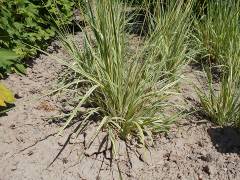
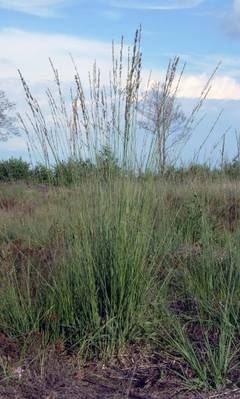
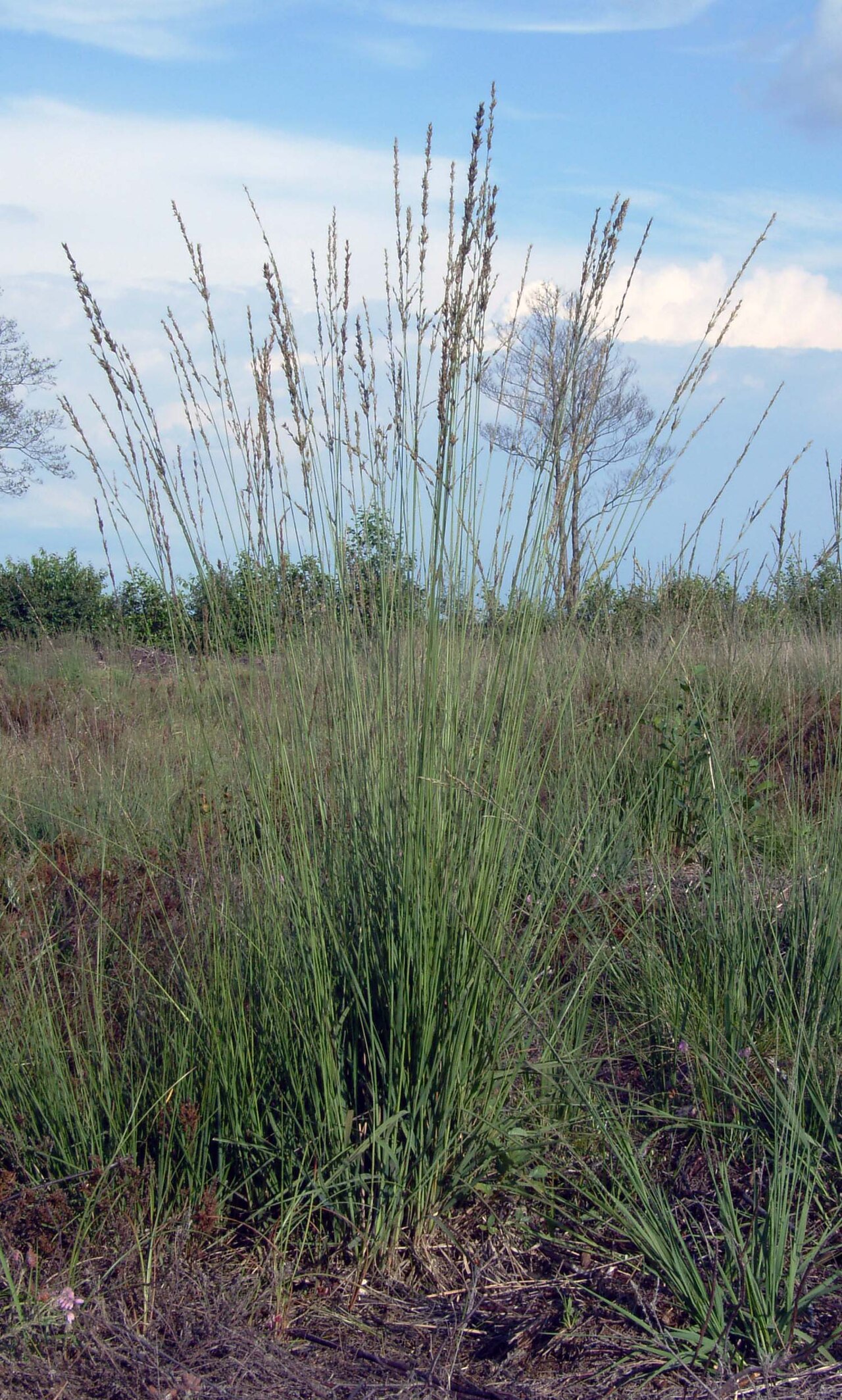
Molinia is a small genus of deciduous perennial grasses in the family Poaceae, native to Europe, western Asia, and North Africa, with Molinia caerulea the species behind most garden forms. Plants grow in dense, tufted clumps of arching, narrow leaves 0.2-0.4 inch (5-10 mm) wide, the foliage mound reaching 1.5-3 feet (45-90 cm) while slender flowering stems carry the plant to 2-8 feet (0.6-2.4 m) depending on the subspecies. From mid to late summer, narrow, open panicles of small purple-tinged spikelets rise above the leaves on wiry stalks, the flower heads fading to tan as seed forms. In autumn the foliage turns yellow to gold before the entire plant, leaves and stems together, breaks cleanly away at the base and the clump goes dormant for winter. Native to moist, acidic heath, moor, and bog margins, the genus needs steady moisture and an open position, and it establishes slowly, often taking two to three seasons to reach full size.
Native Range
Molinia is native to Europe, western Asia, and North Africa, where it grows on moist acidic heaths, moorland, fens, and bog margins, often on peaty soils. It ranges from lowland wet meadows to upland moor.Suggested Uses
Used in moist borders, rain gardens, pond and stream margins, and naturalistic meadow plantings. The tall subspecies forms a transparent vertical screen through which other plants remain visible. Grown in masses for movement and autumn color in damp ground.How to Identify
Appearance
Size & Dimensions
Height1'6" - 8'
Width/Spread1'6" - 3'
Bloom Information
Flowering panicles appear from mid to late summer, roughly July to September, and persist as tan seed heads into autumn. The airy heads move readily in wind. Flower stem height varies widely between the compact and tall subspecies.
Detailed Descriptions
Foliage Description
GreenGrowing Conditions
Sun Requirements
Requires 6-10 hours of direct sunlight daily
• Full Sun: 6+ hours of direct sunlight
• Partial Shade: 3-6 hours of direct sunlight
• Full Shade: Less than 3 hours of direct sunlight
Care & Maintenance
Care Guide
Grow in full sun to light shade on moist, acidic to neutral soil that does not dry out in summer. The genus tolerates wet ground and poor, peaty soils but performs poorly on dry, alkaline sites. Steady moisture during the growing season supports the fullest foliage and flowering. Divisions are slow to re-establish, so division is done sparingly in spring. No staking is needed, as the flower stems stand on their own. Growth resumes late in spring, so the dormant crown stays bare well into the season.Pruning
Little pruning is needed because the foliage and stems abscise on their own in late autumn. Rake away the shed material once it drops. Any remaining stubble is cut to the ground before spring growth begins.Container Growing
Suitable for container growing
Minimum container size: 5 gallons