Mimosa, Genus, spp., Multiple species,
- Genus
- Multiple species
sensitive plants
Tropical and subtropical Americas, with greatest diversity in Brazil and Mexico
Overview
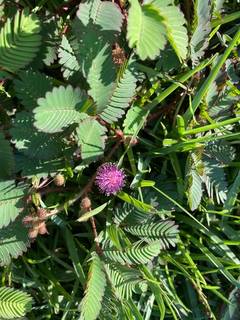
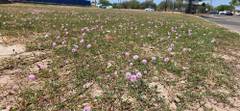
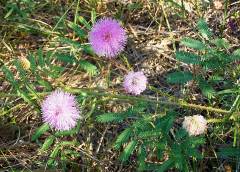
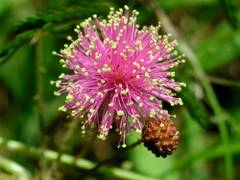
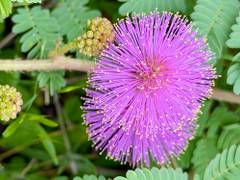
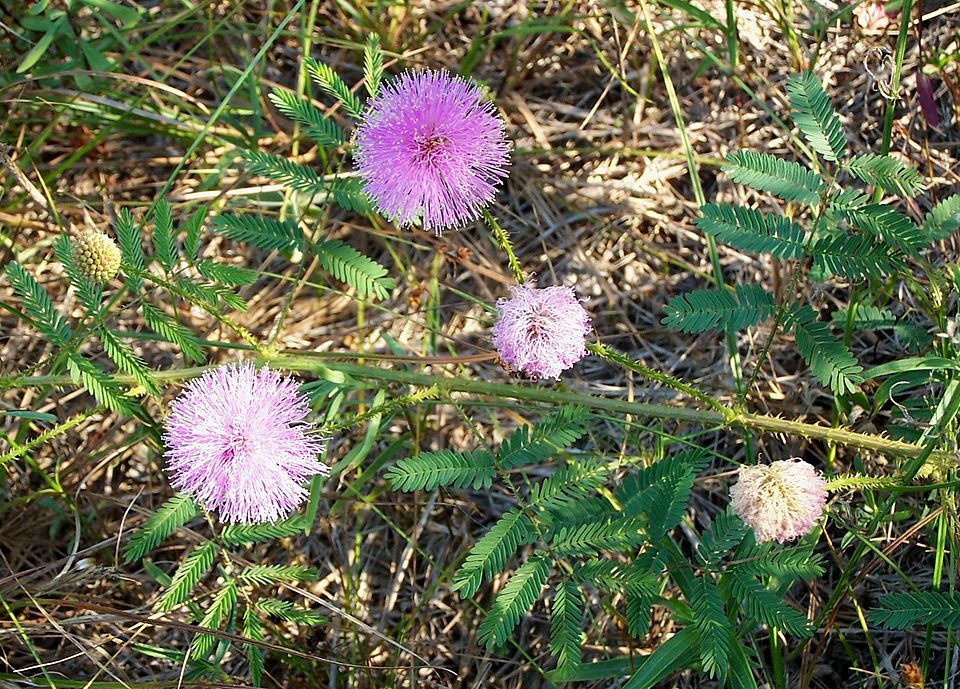
Mimosa is a genus of about 400 species of herbs, shrubs, vines, and a few small trees in the legume family, Fabaceae, native mainly to tropical and subtropical regions of the Americas. Many species have feathery, bipinnate leaves divided into many small leaflets, and the leaves of some, including M. pudica, fold shut within seconds of being touched or shaken. The flowers are tiny but massed into rounded, fluffy heads of pink, lilac, or white, made conspicuous by long projecting stamens. These ripen into flat, segmented pods that break into one-seeded sections, often along bristly margins. Stems are frequently armed with small prickles. M. pudica, the sensitive plant, is a low, sprawling species grown as a curiosity for its moving leaves and naturalized as a weed across the tropics. Other species form thorny shrubs and thickets. The genus contains the amino acid mimosine, which is toxic to livestock and to people in quantity. Plants grow quickly in warmth and are frost-tender.
Native Range
Native mainly to tropical and subtropical regions of the Americas, with the greatest diversity in Brazil and Mexico, and some species in Africa and Asia. M. pudica originates in tropical America and has spread as a weed throughout the world tropics. A few species are native to the southern United States.Suggested Uses
M. pudica is grown as a novelty houseplant and in warm gardens for its touch-sensitive leaves, while shrubby species are used in tropical hedging and erosion control. Several are grown as nitrogen-fixing cover in warm climates.How to Identify
Appearance
Size & Dimensions
Height6" - 10'
Width/Spread1' - 6'
Bloom Information
Detailed Descriptions
Flower Description
pink to lilacFoliage Description
greenGrowing Conditions
Sun Requirements
Requires 6-12 hours of direct sunlight daily
• Full Sun: 6+ hours of direct sunlight
• Partial Shade: 3-6 hours of direct sunlight
• Full Shade: Less than 3 hours of direct sunlight
Care & Maintenance
Care Guide
Most species grow in full sun in well-drained soil and tolerate poor, dry ground, fixing their own nitrogen as legumes. They are frost-tender, with M. pudica grown as a tender annual or houseplant where winters are cold. Warmth and moisture drive fast growth, and several species become invasive weeds in the tropics. The mimosine in the foliage deters grazing. Spider mites and scale can affect plants grown indoors.Pruning
Shrubby species are cut back in spring to clear frost-damaged or straggly growth and to shape the plant. M. pudica grown as an annual needs no pruning beyond pinching to keep it bushy. Thorny species are cut while dormant to ease handling.Pruning Schedule
Prune: March–April
early spring
Container Growing
Suitable for container growing
Minimum container size: 2 gallons