Melilotus, Genus, altissimus, Species,
- Genus & species
tall melilot
Overview
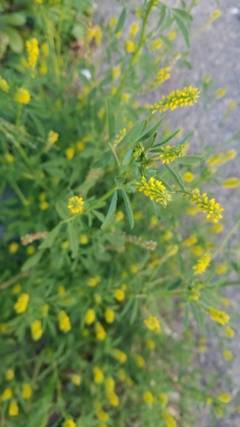
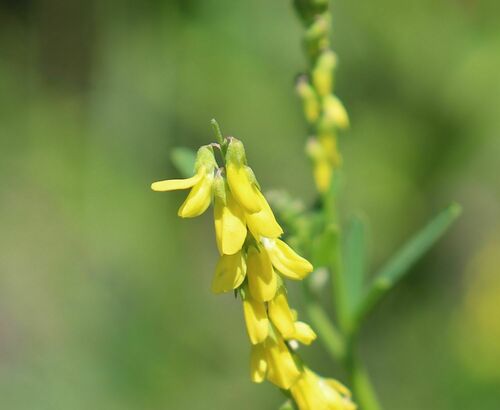
Melilotus altissimus is an upright biennial or short-lived perennial legume reaching 24-59 inches (60-150 cm) tall, with branching, ribbed stems. The leaves are divided into three narrow, oblong, finely toothed leaflets, and slender stipules clasp the stem at each node. From June to September the plant produces many slender, tapering racemes of small yellow pea-flowers, each about 0.25 inch (6 mm) long. The flowers give way to small, wrinkled, hairy pods that ripen black and hold one or two seeds. When cut or dried the whole plant releases the sweet, hay-like scent of coumarin, a compound shared across the melilots. Melilotus altissimus grows in damp grassland, ditches, riverbanks, and disturbed ground, often on clay or base-rich soils. As a deep-rooted legume it fixes nitrogen and was once grown for fodder and green manure. One drawback is that spoiled or mouldy hay containing melilot can develop dicoumarol, an anticoagulant harmful to grazing stock.
Native Range
Native to Europe and western Asia, from Britain eastward, where it grows in damp grassland, riverbanks, ditches, and waste ground, mainly on heavy or base-rich soils.Suggested Uses
Used in wildflower meadows, green-manure mixes, and pollinator plantings on damp or reclaimed ground, where its deep roots improve soil and fix nitrogen. The long flowering season supports bees and hoverflies. It is usually broadcast as seed rather than set out as individual plants.How to Identify
Appearance
Size & Dimensions
Height2' - 4'11"
Width/Spread1' - 2'
Bloom Information
Flowering runs from June to September in long, tapering yellow racemes held above the foliage. The nectar-rich flowers attract bees, hoverflies, and other insects over a long season. Seed pods ripen progressively from the base of each spike, turning black as they mature.
Detailed Descriptions
Foliage Description
greenGrowing Conditions
Sun Requirements
Requires 6-12 hours of direct sunlight daily
• Full Sun: 6+ hours of direct sunlight
• Partial Shade: 3-6 hours of direct sunlight
• Full Shade: Less than 3 hours of direct sunlight
Care & Maintenance
Care Guide
Tall melilot grows in full sun on moist to seasonally wet soils, tolerating clay, chalk, and disturbed ground that many legumes avoid. As a nitrogen-fixing plant it grows well on poor soils and needs no feeding. Seed is sown in spring or autumn, and the hard coat benefits from light scarification before sowing. In its first year the plant forms a leafy rosette and deep taproot, flowering and setting seed in the second year before dying. It self-seeds readily and can persist on open ground. Dried plant material should not be stored damp, as mouldy melilot can form harmful anticoagulant compounds.Pruning
No pruning is needed for this short-lived plant. Cutting the stems back after flowering, before pods ripen, limits prolific self-seeding. Otherwise plants are left to die down naturally after setting seed in their second year.Toxicity Warning
Toxic to petsPlanting Guide
Planting Methods & Timing
Planting Method
direct sow
Direct Sow Timing
Spring or autumn
Plant Spacing
12 inches