Shrubs
Melaleuca, Genus, incana, Species,
- Genus & species
Grey honey myrtle
Overview
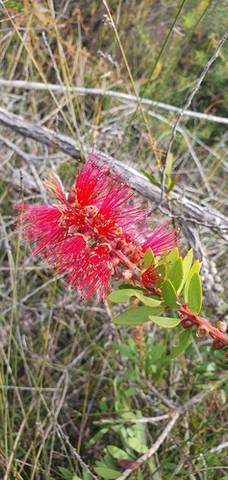
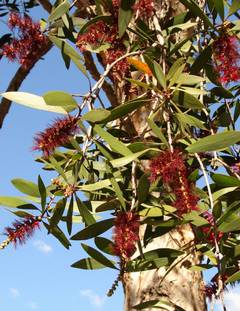
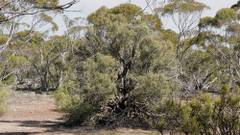
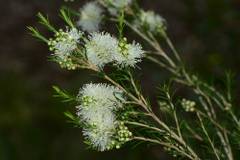
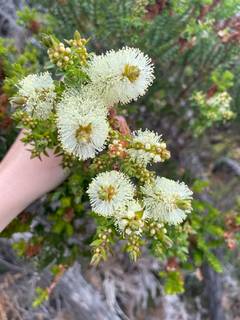
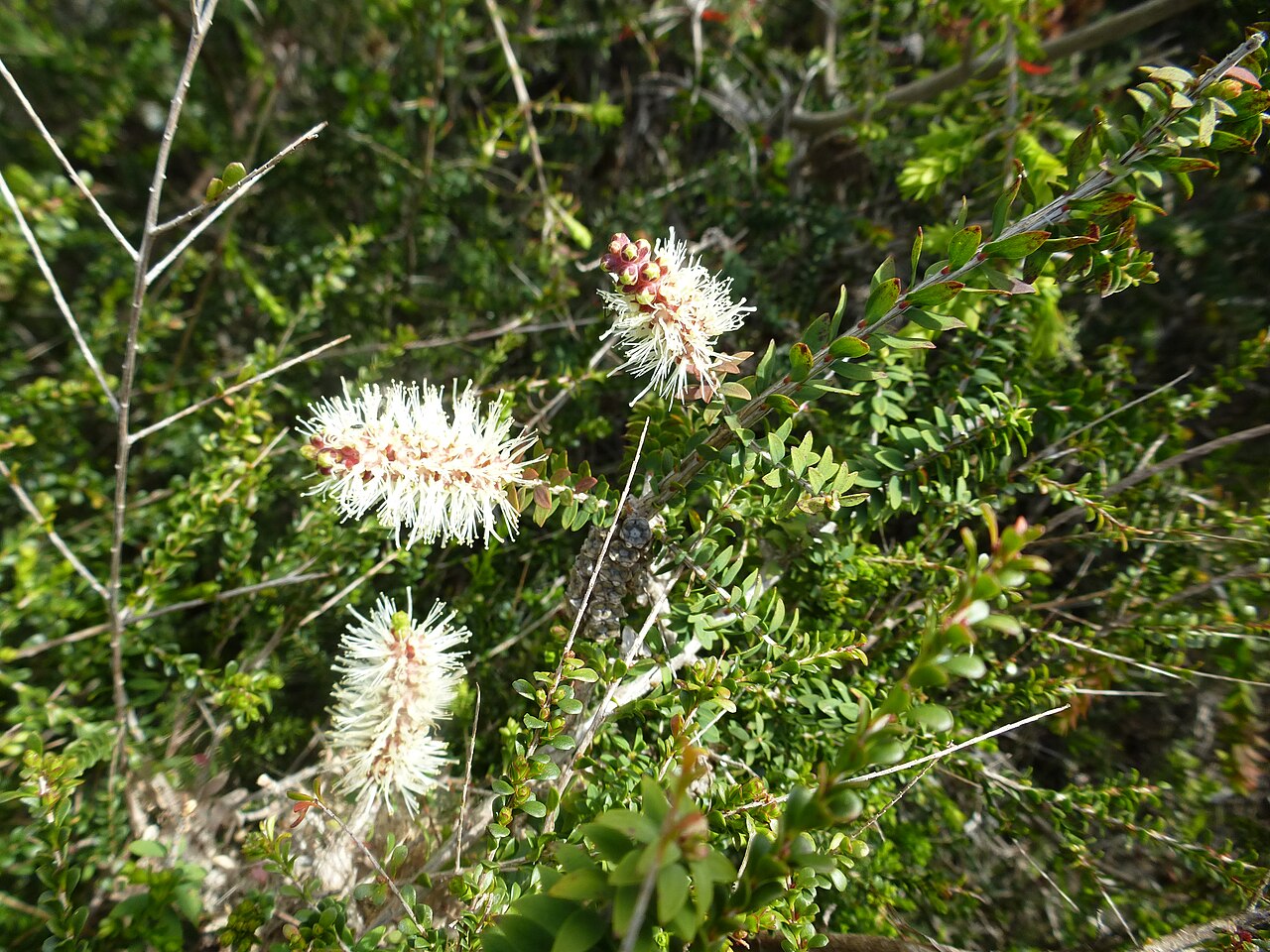
Melaleuca incana is an evergreen shrub or small tree, 6–15 feet (1.8–4.6 m) tall and 4–10 feet (1.2–3 m) wide, with a weeping to rounded habit and papery, grey-brown bark on older stems. Leaves are narrow-linear to lance-shaped, 0.4–1.2 inches (10–30 mm) long and about 0.05–0.1 inch (1.5–2.5 mm) wide, grey-green, and soft-hairy when young. Flowers are pale cream to yellow, borne in rounded to short cylindrical spikes 0.8–1.5 inches (2–4 cm) long at the branch tips, with stamens joined in bundles. Woody, cup-shaped capsules 0.1–0.15 inch (3–4 mm) wide form in clusters along the stems and persist for years. Growth is moderate at 12–24 inches (30–60 cm) per year. The species tolerates seasonal waterlogging, light frost, and some salt, but it is damaged by prolonged temperatures below 15°F (-9°C) and by highly alkaline soil.
Native Range
Native to the southwest of Western Australia, growing in seasonally wet sandy flats, swamp margins, and heath between Perth and Albany.Suggested Uses
Used as a screen, small garden tree, or informal hedge, spaced 4–6 feet (1.2–1.8 m) apart. Planted in wet or seasonally flooded soils, rain gardens, and coastal gardens with low salt exposure.How to Identify
Appearance
Size & Dimensions
Height6' - 15'
Width/Spread4' - 10'
Colors
Bloom Information
Detailed Descriptions
Flower Description
Cream to pale yellowFoliage Description
Grey-greenGrowing Conditions
Sun Requirements
Requires 6-10 hours of direct sunlight daily
• Full Sun: 6+ hours of direct sunlight
• Partial Shade: 3-6 hours of direct sunlight
• Full Shade: Less than 3 hours of direct sunlight
Care & Maintenance
Care Guide
Grows in full sun (6–10 hours) and sandy to loamy soil with a pH of 5.5–7.5, including soil that is wet in winter. Hardy to about 15°F (-9°C), equivalent to USDA zones 8–11. Established plants tolerate dry summers and are watered every 2–3 weeks in the first year and rarely afterward. Fertilizer is not needed on most soils. Container plants need a pot with drainage holes and a sandy mix. Growth is sparse in shade.Pruning
Light tip pruning after flowering, removing up to one-third of the new growth, keeps the crown dense. Cuts are made into leafy wood, and old leafless stems resprout poorly. Lower branches can be removed to expose the trunk on tree-form plants.Pruning Schedule
Prune: December–January
summer
Container Growing
Suitable for container growing
Minimum container size: 7 gallons