Melaleuca, Genus, viminalis, Species,
- Genus & species
weeping bottlebrush
Overview
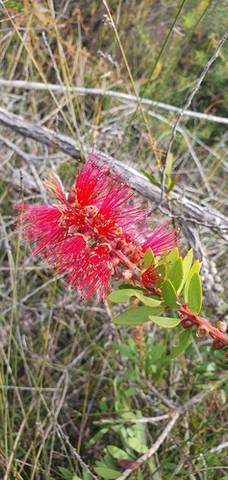
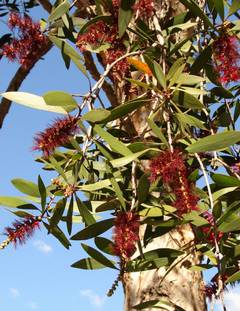
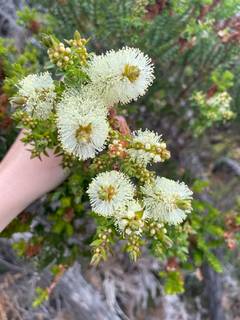
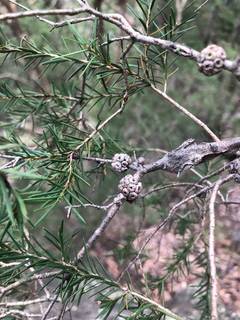
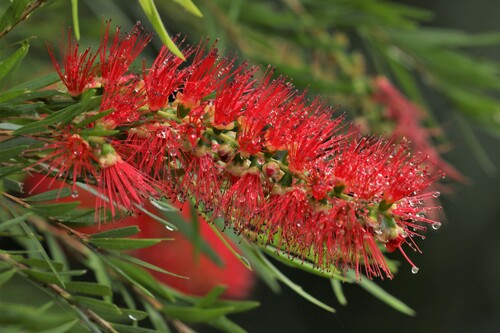
Melaleuca viminalis is an evergreen shrub to small tree reaching 13-26 feet (4-8 m) tall, with arching, pendulous branches that give a weeping outline and pale, flaky bark. The leaves are narrow, lance-shaped, 1.5-3 inches (4-8 cm) long, mid-green, and stiff, with new growth often silky and pink-tinged. Red flower spikes shaped like bottlebrushes form at the branch tips, each 2-4 inches (5-10 cm) long, the colour coming from many long red stamens rather than petals. Flowering is heaviest in spring and early summer, with scattered flushes at other times. Small woody seed capsules follow and cluster along the older stems, persisting for years. The branches weep low and can sweep the ground on open-grown trees. Growth is moderately fast, and the species tolerates wet ground, drought once established, and light frost.
Native Range
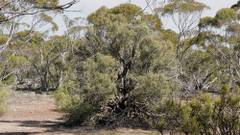
Native to eastern Australia, along watercourses and on moist slopes in New South Wales and Queensland. Grows beside creeks and rivers and in seasonally wet ground, often on heavy soils.Suggested Uses
Planted as a screen, windbreak, street tree, or specimen beside ponds and in damp ground, spaced 8-15 feet (2.4-4.5 m) apart. The red flowers draw honeyeaters and other nectar birds. It grows in large containers of at least 15 gallons (57 L) and is trained as a hedge with regular clipping.How to Identify
Appearance
Size & Dimensions
Height13' - 26'
Width/Spread10' - 20'
Bloom Information
Main flowering is in spring and early summer, from September to December, with lighter flushes through the year in warm climates. Each red spike lasts 2-3 weeks, and a tree carries colour over several weeks at peak. Flowering draws nectar-feeding birds.
Detailed Descriptions
Foliage Description
mid-greenGrowing Conditions
Sun Requirements
Requires 5-10 hours of direct sunlight daily
• Full Sun: 6+ hours of direct sunlight
• Partial Shade: 3-6 hours of direct sunlight
• Full Shade: Less than 3 hours of direct sunlight
Care & Maintenance
Care Guide
Grows in full sun to part shade on most soils, including heavy clay and seasonally wet ground, and tolerates drought once established. Water young trees through dry spells, after which the species needs little extra water. It withstands light frost but is damaged by hard freezes when young. Prune after flowering to keep a dense shape and to remove spent spikes before they set woody capsules. Few pests trouble it, though scale insects and sooty mould occur in some seasons. It tolerates coastal wind and salt-laden air in sheltered positions.Pruning
Prune after each flush of flowering to keep the canopy dense and shape the weeping form. Cutting back spent flower spikes before capsules form channels growth into new shoots and flowers. It tolerates hard pruning and reshoots from older wood, which allows renovation of overgrown plants.Pruning Schedule
Prune: December–January
summer
Container Growing
Suitable for container growing
Minimum container size: 15 gallons