Madia, Genus, spp., Multiple species,
- Genus
- Multiple species
tarweeds
Western North America and temperate South America
SunFull Sun
Overview
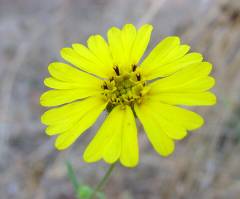
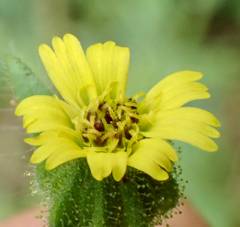
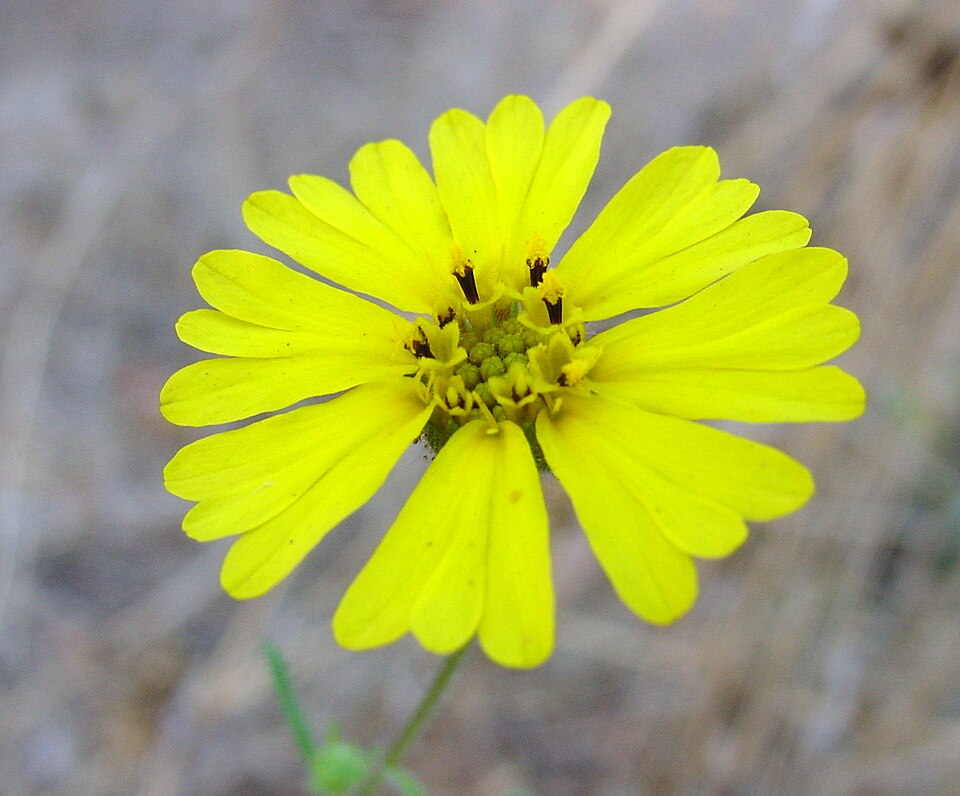
Madia is a genus of about 20 species of annual and perennial herbs in the daisy family, native to western North America and temperate South America. Stems and leaves are densely glandular and resinous, releasing a strong scent when touched, and the foliage is coated with sticky hairs that trap dust and small insects. Plants range from 1 to 8 feet (30 cm to 2.4 m) tall, with narrow, often basal lower leaves and reduced upper leaves on erect, branching stems. The flower heads are daisy-like, 0.5 to 2 inches (1 to 5 cm) across, with yellow ray florets that are frequently marked maroon at the base surrounding a yellow or dark center. In several species the rays open in the cool of morning and evening and roll up during the heat of midday. Madia sativa is grown as an oilseed crop for its seed oil. The sticky, resinous foliage limits use near paths, and many annual species self-sow freely and can spread where unwanted.
Native Range
Madia is native to western North America, from British Columbia south to Baja California and east to the Rocky Mountains, with the greatest diversity in California. A few species, including M. sativa, also occur natively in Chile and Argentina. Plants grow in grasslands, open woodlands, and disturbed ground.Suggested Uses
Grown in wildflower meadows, native plant gardens, and dry borders, and used in habitat plantings for pollinators and seed-eating birds. Madia sativa is grown agriculturally for seed oil. Plants are spaced 12 inches (30 cm) apart in informal drifts.How to Identify
Appearance
Size & Dimensions
Height1' - 8'
Width/Spread6" - 2'
Bloom Information
Flowering spans late spring through fall, broadly May to October, varying with species and elevation. Annual species bloom within a few months of germination, while perennial species flower across summer. In the showier species the ray florets open in early morning and evening and close at midday in hot weather.
Detailed Descriptions
Flower Description
yellow, often marked maroon at the baseFoliage Description
greenGrowing Conditions
Sun Requirements
Requires 6-10 hours of direct sunlight daily
• Full Sun: 6+ hours of direct sunlight
• Partial Shade: 3-6 hours of direct sunlight
• Full Shade: Less than 3 hours of direct sunlight
Water & Climate
Water Needs
Drought Tolerance
Drought tolerant when established
Care & Maintenance
Care Guide
Plants grow in full sun and tolerate poor, dry, sandy or clay soils once established. Annual species are sown directly where they are to grow, in early spring or in fall in mild-winter areas. Watering is needed only during prolonged drought, as the genus is adapted to summer-dry conditions. Rich soil and heavy watering produce floppy, overly tall growth. The resinous foliage is generally avoided by deer and rabbits. Spent annual plants are pulled once seed has set.Pruning
Pruning is minimal. Taller annual species may be cut back by one-third when young to reduce flopping, and faded plants are sheared or pulled after seeding. Perennial species are cut to the ground after frost.Toxicity
Non-toxicPlanting Guide
Planting Methods & Timing
Planting Method
direct sow
Direct Sow Timing
Early spring, or fall in mild-winter areas
Plant Spacing
12 inches