Lychnis, Genus, flos-cuculi, Species,
- Genus & species
ragged robin
Overview
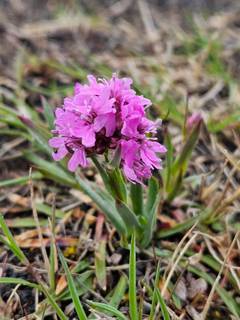
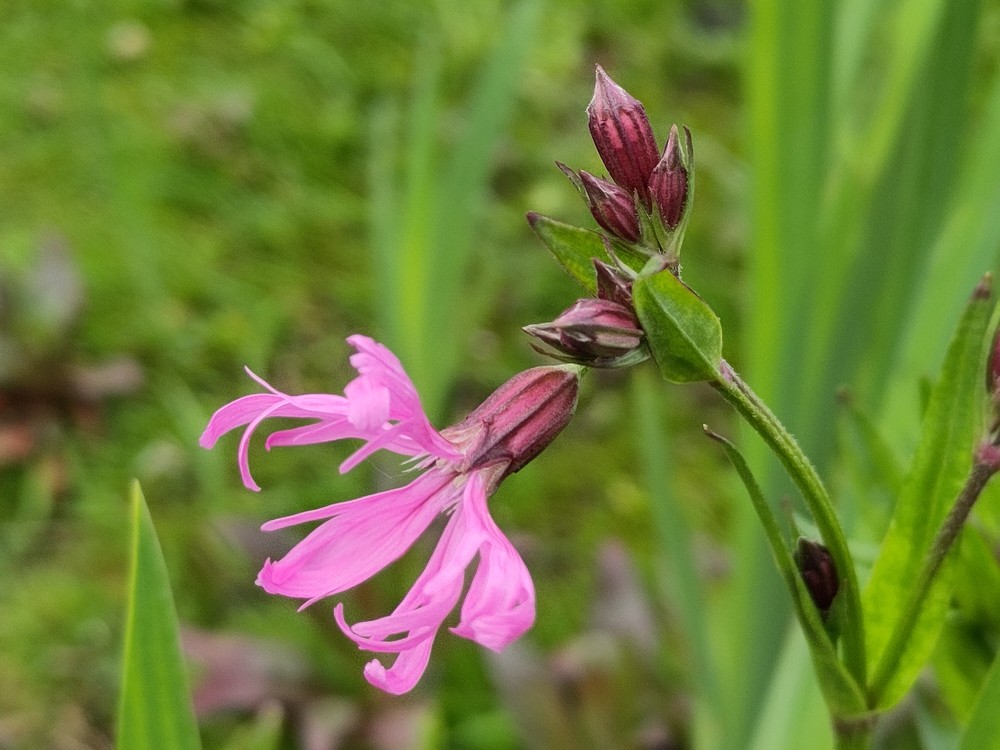
Lychnis flos-cuculi is a herbaceous perennial in the pink family, forming a basal rosette that sends up slender, branched flowering stems 12-30 inches (30-75 cm) tall. The stems are slightly sticky below the nodes and carry narrow, lance-shaped leaves 1-4 inches (2.5-10 cm) long in opposite pairs. From late spring into summer, loose clusters of flowers open at the stem tips, each flower about 1.5 inches (4 cm) across with five petals divided into four narrow lobes, giving the bloom a ragged, fringed outline. Flower color ranges from rose-pink to pale pink, occasionally white. The plant spreads slowly by short basal offshoots to 12-18 inches (30-45 cm) wide and self-seeds where soil stays damp. It is short-lived, often persisting 3-4 years before relying on seedlings to maintain a stand. Foliage dies back to the basal rosette after flowering, and stems flop in rich soil or shade.
Native Range
Native across most of Europe and into western Asia, in wet meadows, fens, marshes, and damp woodland margins. Grows in seasonally moist to wet soils from sea level to about 6,500 feet (2,000 m). Naturalized in parts of northeastern North America.Suggested Uses
Planted in bog gardens, pond margins, wet meadows, and rain gardens at 12-15 inch (30-38 cm) spacing. Suits naturalistic and wildlife plantings where soil stays damp. Self-seeding habit can crowd smaller plants in moist borders.How to Identify
Appearance
Size & Dimensions
Height1' - 2'6"
Width/Spread1' - 1'6"
Bloom Information
Detailed Descriptions
Flower Description
Rose-pink to pale pinkFoliage Description
Green to grey-greenGrowing Conditions
Sun Requirements
Requires 4-8 hours of direct sunlight daily
• Full Sun: 6+ hours of direct sunlight
• Partial Shade: 3-6 hours of direct sunlight
• Full Shade: Less than 3 hours of direct sunlight
Care & Maintenance
Care Guide
Grows in full sun to part shade in consistently moist to wet soil, including the margins of ponds and bog gardens. Tolerates standing water in spring but declines in soils that dry out in summer. Water during dry spells to maintain bloom and foliage. Self-seeds freely in damp, open ground, producing numerous seedlings around the parent plant. Aphids occur on flower stems in late spring. Plants are short-lived, declining after 3-4 years as seedlings replace the original clump.Pruning
Cut spent flowering stems back after bloom to limit self-seeding and to prompt a smaller second flush in some seasons. Remove dead stems at the base in late fall or early spring. Division in spring every 2-3 years maintains vigor as older crowns decline.Pruning Schedule
Prune: March & July
summerearly spring
Container Growing
Suitable for container growing
Minimum container size: 2 gallons