Lychnis, Genus, chalcedonica, Species,
- Genus & species
Maltese cross
Western Russia, Caucasus, and Siberia; naturalized across Europe and parts of North America
Overview
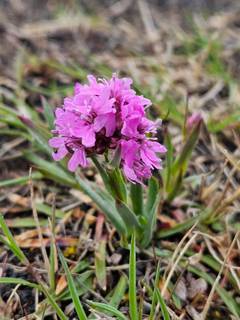
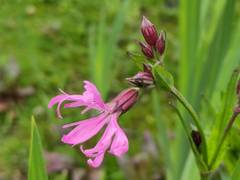
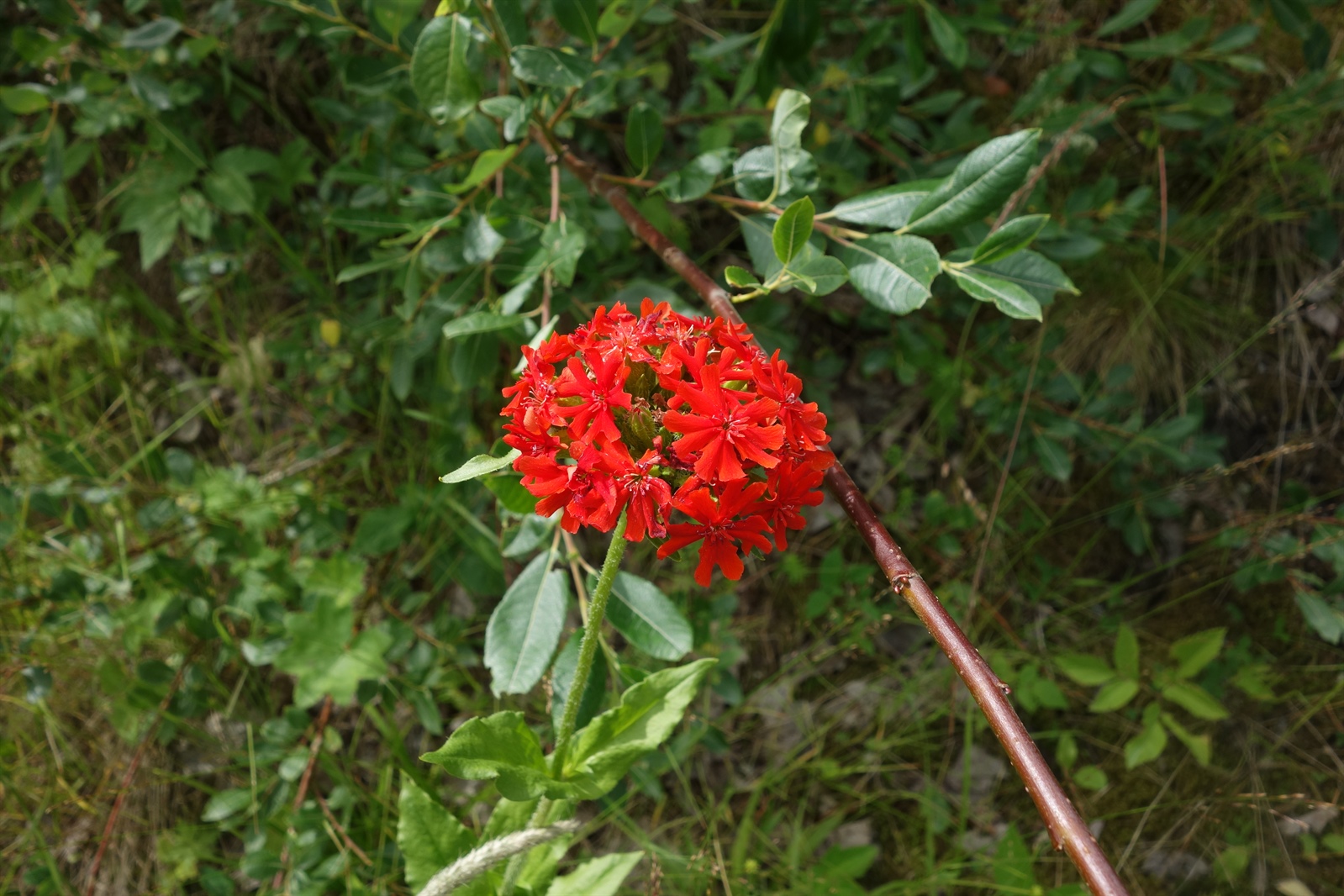
Lychnis chalcedonica (also placed in Silene as S. chalcedonica in some contemporary treatments) is an upright clump-forming perennial in the family Caryophyllaceae, native to meadows, forest margins, and roadsides in western Russia, the Caucasus, and Siberia. Plants produce erect somewhat hairy stems 24-36 inches (60-90 cm) tall bearing pairs of broadly lance-shaped to ovate stem-clasping leaves 2-4 inches (5-10 cm) long. In early summer, the stems are topped with dense flat-topped (corymbose) clusters 2-3 inches (5-8 cm) across of 20-50 small flowers in saturated scarlet-red, each with five deeply notched petals arranged in a cross pattern, which is the source of the common name Maltese cross. Individual flowers are 0.5-0.75 inch (1.5-2 cm) across. Naturalized across central and western Europe and parts of North America in similar open habitats. The species is short-lived (3-5 years) but self-seeds in suitable conditions; white-flowered ('Alba') and salmon-orange forms exist in garden trade. Tall plants (over 30 inches / 75 cm) lean in wind or partial shade and require staking or a supporting neighbor in those conditions. Mildly toxic to dogs and cats if ingested in quantity.
Native Range
Lychnis chalcedonica is native to western Russia, the Caucasus region, and Siberia, in open meadows, forest clearings, and roadsides in moderately moist fertile soils in full sun to partial shade. Widely naturalized across central and western Europe and parts of North America.Suggested Uses
Planted in cottage gardens, perennial borders, and cutting gardens at 12-18 inch (30-45 cm) spacing. The saturated scarlet reads boldly alongside white (Shasta daisies, Campanula persicifolia 'Alba') and blue (delphiniums, Salvia nemorosa) companions. Cut stems hold well as cut flower. Heavy moist clay and deep dry shade fall outside the use range.How to Identify
Appearance
Size & Dimensions
Height2' - 3'
Width/Spread1' - 1'6"
Bloom Information
Dense flat-topped clusters 2-3 inches (5-8 cm) across of 20-50 scarlet-red flowers 0.5-0.75 inch (1.5-2 cm) each with five deeply notched petals, borne June through July in zones 3-9 with the main display lasting 3-5 weeks. Cutting back to basal foliage after the main flush may stimulate a lighter second bloom in some years. The vivid scarlet coincides with early roses, delphiniums, and hardy geraniums.
Detailed Descriptions
Flower Description
Saturated scarlet-red (also 'Alba' white and salmon-orange forms); five deeply notched petals in a cross pattern; flat-topped clusters 2-3 inches (5-8 cm) of 20-50 flowers; June-JulyFoliage Description
Medium green; broadly lance-shaped to ovate 2-4 inches (5-10 cm); stem-clasping; somewhat hairy; deciduousGrowing Conditions
Sun Requirements
Requires 4-8 hours of direct sunlight daily
• Full Sun: 6+ hours of direct sunlight
• Partial Shade: 3-6 hours of direct sunlight
• Full Shade: Less than 3 hours of direct sunlight
Care & Maintenance
Care Guide
Grows in full sun to partial shade in moderately fertile moist but well-drained soil at pH 6.0-7.0. Hardy to USDA zone 3. A range of soil types is tolerated, but extreme drought and waterlogged sites cause rapid decline. Tall plants over 30 inches (75 cm) lean in wind and partial shade, so staking or planting among self-supporting neighbors is appropriate in those conditions. Self-seeding supplements the short (3-5 year) lifespan of individual crowns when seedlings are allowed to develop. Division of offset rosettes in early spring every 3-4 years renews the planting, and old woody center portions are discarded.Pruning
A cutback of spent flower stems to the basal foliage rosette after the main bloom flush in July limits self-seeding and maintains a tidy appearance. A lighter cutback by half (rather than to the base) can stimulate a second flush in favorable years. Stems are cut to ground in fall. Division of offset rosettes in early spring every 3-4 years renews the planting.Pruning Schedule
Prune: March, July & October
summerfallearly spring