Image 1 of 16
1 / 16
Plant Reference
Silene, Genus, coronaria, Species,
- Genus & species
rose campion
Southeastern Europe and the eastern Mediterranean
Overview
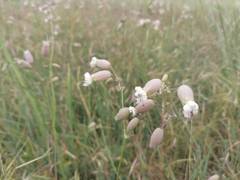
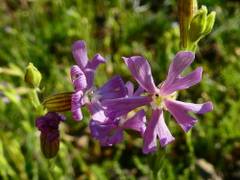
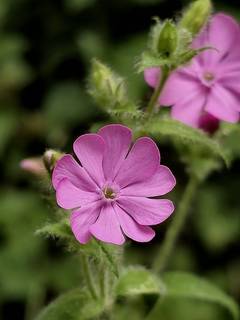
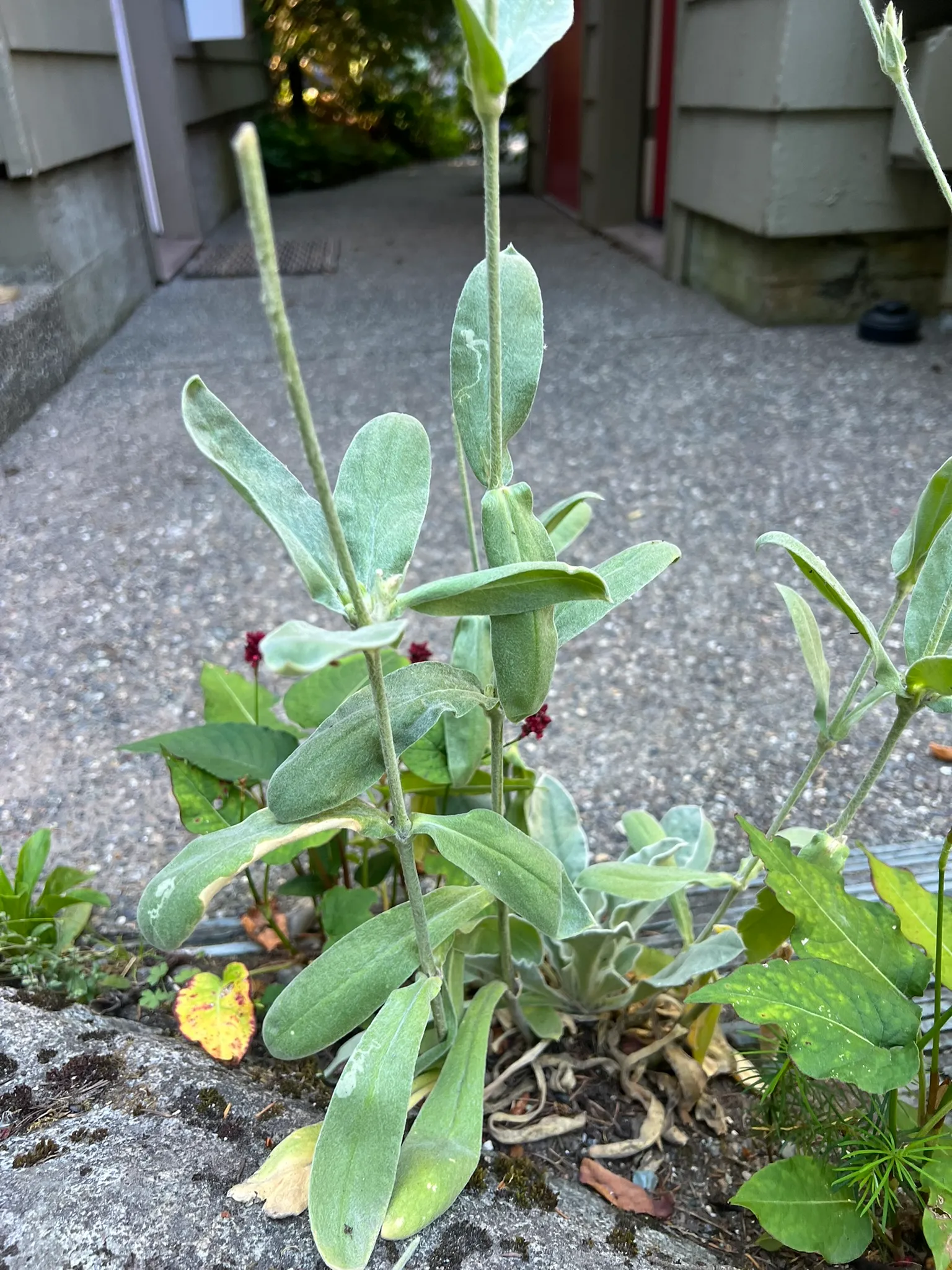
Silene coronaria, long known as Lychnis coronaria, is a short-lived perennial or biennial in the pink family, forming a basal rosette of oval, silver-grey leaves covered in dense woolly hairs. In its first year it produces only foliage; in the second and later years it sends up branched, felted flowering stems 24-32 inches (60-80 cm) tall. The single, flat-faced flowers measure 1-1.2 inches (25-30 mm) across, with five rounded petals in vivid magenta-pink, opening over many weeks in summer above the pale foliage. White and pink-eyed forms also occur. The whole plant has a grey, almost white cast from the covering of woolly hairs that reduce water loss, making it drought-tolerant once established. It self-seeds readily, and although individual plants are short-lived, colonies persist by replacing themselves from seedlings each year. The seed capsules split at the top to release many small seeds. Native to southeastern Europe and the Mediterranean, it has naturalized in parts of North America and temperate Europe. It grows in dry, sunny conditions and tolerates poor, gravelly soils where many perennials struggle.
Native Range
Native to southeastern Europe, the Balkans, and the eastern Mediterranean, where it grows on dry, rocky hillsides and open ground. It has naturalized in temperate parts of Europe and North America after long cultivation in gardens.Suggested Uses
Grown in gravel gardens, dry borders, cottage gardens, and Mediterranean-style plantings. The grey foliage and magenta flowers combine with silver-leaved and drought-tolerant companions in low-water schemes.How to Identify
Appearance
Size & Dimensions
Height2' - 2'8"
Width/Spread1'6" - 2'
Bloom Information
Blooms through early and mid summer, generally June to August, with individual flowers lasting a few days and the plant opening successive blooms over six to eight weeks. Removing spent stems can extend flowering into late summer. The flowers are visited by butterflies and long-tongued bees.
Detailed Descriptions
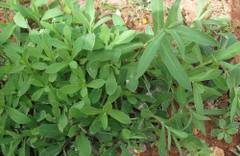
Foliage Description
silver-greyGrowing Conditions
Sun Requirements
Requires 6-12 hours of direct sunlight daily
• Full Sun: 6+ hours of direct sunlight
• Partial Shade: 3-6 hours of direct sunlight
• Full Shade: Less than 3 hours of direct sunlight
Care & Maintenance
Care Guide
Grows in full sun in light, well-drained soil and tolerates dry, poor, gravelly, and chalky ground once established. The woolly foliage sheds water and resents winter wet, which can rot the crown in heavy clay. Water is rarely needed after establishment, as the plant is markedly drought-tolerant. It is short-lived, often persisting two to four years, but renews itself freely from self-sown seedlings. Cutting plants back after flowering reduces self-seeding where spread is unwanted, though some seed heads can be left for new plants.Pruning
Flowering stems can be cut to the basal rosette after bloom to tidy the plant and limit self-seeding. No other pruning is needed. Leaving a few seed heads allows colonies to renew, since individual plants are short-lived.Pruning Schedule
Prune: August–September
summerfall
Container Growing
Suitable for container growing
Minimum container size: 2 gallons