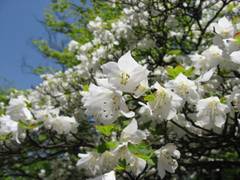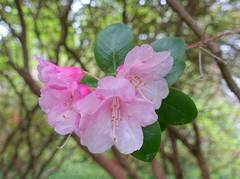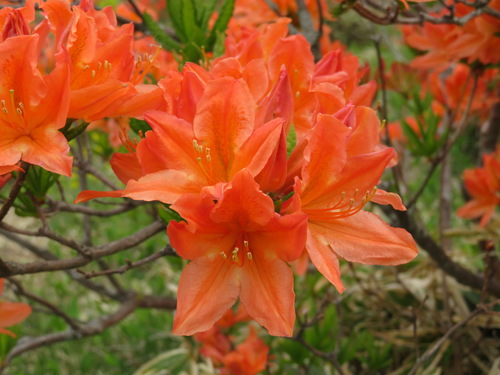
Rhododendron, Genus, cf., Species, catawbiense, Subspecies, (lavender, Subspecies, hybrid), Subspecies,
- Genus & species
- Subspecies
lavender rhododendron
Southern Appalachian Mountains, eastern USA (species)
Overview
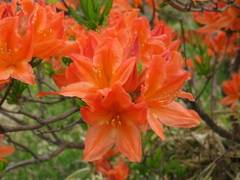
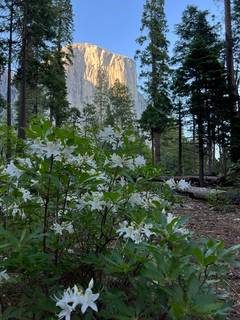
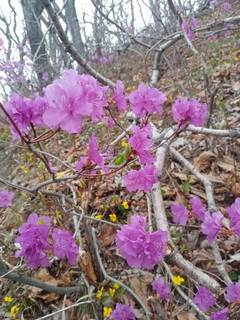
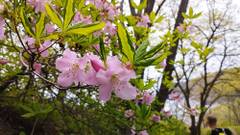
Rhododendron cf. catawbiense (lavender hybrid) is a broadleaf evergreen shrub reaching 6-10 feet (1.8-3 m) tall and 6-8 feet (1.8-2.4 m) wide on a rounded, broad-spreading framework. Leaves are elliptic to oblong, 4-6 inches (10-15 cm) long, leathery dark green above with paler undersides, held for 2-3 years before drop. Flowers are open funnel-shaped, 2-2.5 inches (5-6 cm) across with 5 petal lobes, lavender-pink to pale lilac with darker spotting on the upper petal lobe; carried in domed truss clusters of 12-20 flowers measuring 5-7 inches (12-18 cm) across at the branch tips in May. Stems are stout with smooth bark on young growth aging to fissured gray-brown on mature wood. Annual growth runs 4-8 inches (10-20 cm) per season after establishment. Cold hardy to -25°F (-32°C); foliage may bronze and curl in winter winds and temperatures below 0°F (-18°C). Rhododendron lace bug, root weevils, and powdery mildew are common pests in eastern North America. Phytophthora root rot is the leading cause of plant loss in heavy wet clay soils. Lifespan in landscape settings runs 30-50 years on well-drained acid sites; cold and pH range tolerance from catawbiense parentage is broader than that of many Asian hybrid rhododendrons.
Native Range
Rhododendron catawbiense is native to the southern Appalachian Mountains of the eastern United States from West Virginia south to Georgia and Alabama, growing on rocky balds, ridge tops, and forest understories at 3,000-6,500 feet (900-2,000 m) elevation. The lavender hybrid form combines R. catawbiense parentage with cultivated rhododendron lines selected for paler flower color; specific cultivar identity is uncertain (cf. designation indicates close resemblance without confirmed identification).Suggested Uses
Planted in woodland edges, mixed shrub borders, and foundation beds at 6-8 foot (1.8-2.4 m) spacing in dappled shade or with afternoon shade. Used as a specimen anchor in shade gardens with companion plantings of ferns, hostas, and shade-tolerant azaleas. Container plantings require pots of at least 20 gallons (76 L) with acid potting mix and daily summer watering; mature size is reduced by 30-50% in container culture and lifespan is reduced by 5-10 years.How to Identify
Appearance
Size & Dimensions
Height6' - 10'
Width/Spread6' - 8'
Bloom Information
Bloom from mid-May through early June in zones 5-7 and from late April through May in zones 6b-8. Peak display lasts 2-3 weeks; individual flower trusses last 7-14 days before petal drop. Bloom timing shifts about 2 weeks later in the Appalachian native range due to elevation differences. Flower bud damage from late spring frost can reduce display by 50-90% in zones 5-6 in early-warming springs followed by hard freeze.
Detailed Descriptions
Flower Description
pale lavender-pink with darker spottingFoliage Description
leathery dark green with paler undersidesGrowing Conditions
Sun Requirements
Requires 3-6 hours of direct sunlight daily
• Full Sun: 6+ hours of direct sunlight
• Partial Shade: 3-6 hours of direct sunlight
• Full Shade: Less than 3 hours of direct sunlight
Care & Maintenance
Care Guide
Water deeply twice weekly during establishment for the first two growing seasons, applying about 2 inches (5 cm) at the root zone per session. Mature plants tolerate 2-3 weeks without rain in zones 5-7 once established but require deep watering during summer drought to prevent leaf scorch. Acid soil (pH 4.5-6.0) is essential; alkaline conditions cause iron chlorosis with yellowing between leaf veins. Phytophthora root rot develops in heavy wet clay and is the leading cause of plant loss; raised planting in amended soil reduces incidence. Lace bugs feed on leaf undersides in summer in eastern North America, causing stippled yellow patches. An annual mulch layer of 2-3 inches (5-7.5 cm) of pine bark or oak leaf compost maintains acidic conditions and even soil moisture.Pruning
Light pruning is done immediately after the spring bloom in late May or early June, removing dead wood and shortening overlong shoots by 4-6 inches (10-15 cm) to maintain shape. Spent flower trusses are removed by snapping off at the base with a sideways twist, taking care not to damage the dormant buds at the truss base. Renewal pruning to reduce overall size is done in early spring before bud break, removing up to one-third of the canopy in a single season; older specimens regrow from old wood after hard pruning over 2-3 seasons.Pruning Schedule
Prune: May–June
late spring