Laurencia, Genus, spp., Multiple species,
- Genus
- Multiple species
laurencia
Warm-temperate and tropical seas worldwide
WaterHigh
Overview
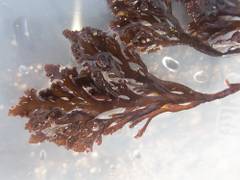
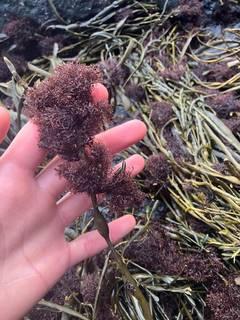
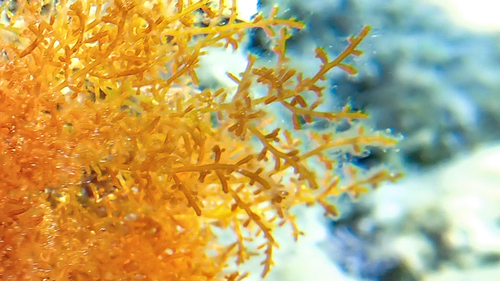
Laurencia is a genus of fleshy red seaweeds in the family Rhodomelaceae, found on rocky shores and in shallow waters of warm-temperate and tropical seas. The much-branched, bushy thalli are 2-8 inches (5-20 cm) tall, cartilaginous and firm, in shades of pink, red, purple, brownish, or greenish-yellow depending on light and species. The branches are cylindrical to flattened, repeatedly divided, and often end in short, blunt, club-shaped tips. Laurencia attaches to rock by a small disc and grows in tide pools, on reef flats, and on wave-washed rock from the low intertidal into the shallow subtidal zone. The genus is known in chemistry for producing many halogenated compounds, including bromine- and chlorine-containing terpenes, which appear to deter grazers and have been studied for biological activity. These compounds can give the seaweed a sharp scent. Laurencia is grazed by sea hares, which store its chemicals for their own defence. The bushy, club-tipped, cartilaginous fronds and complex chemistry mark out the genus, though species are hard to separate without microscopic and chemical study.
Native Range
Laurencia grows in warm-temperate and tropical seas worldwide, on rocky shores, reef flats, and in tide pools from the low intertidal into shallow subtidal water. It is widespread on warm coasts of the Atlantic, Pacific, and Indian Oceans.Suggested Uses
Laurencia is studied in marine chemistry for its many halogenated natural products, some investigated for antimicrobial and other activity. It is part of reef and rocky-shore communities that feed grazing animals such as sea hares. Some related red seaweeds are used as food and as sources of gels.How to Identify
Appearance
Bloom Information
Laurencia does not flower. It reproduces by spores and gametes formed in structures on the branch tips, following the three-phase life cycle typical of red algae. Reproduction and fastest growth occur in the warmer months on temperate coasts and year-round in the tropics.
Growing Conditions
Water & Climate
Water Needs