Osmundea, Genus, spp., Multiple species,
- Genus
- Multiple species
Temperate and subtropical coasts worldwide
WaterHigh
Overview
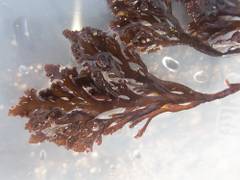
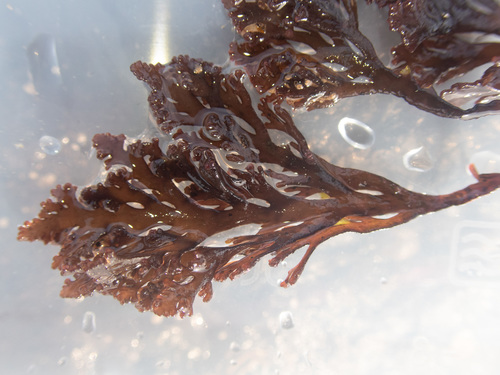
Osmundea is a genus of red seaweeds in the family Rhodomelaceae, with about a dozen species found on rocky coasts worldwide. The most familiar is Osmundea pinnatifida, known as pepper dulse. Plants form small, tufted, cartilaginous bodies 1-8 inches (2.5-20 cm) tall, attached to rock by a small disc-shaped holdfast. The flattened, strap-like fronds branch alternately in one plane, narrowing toward blunt tips, and range in color from olive-yellow and greenish in bright light to deep purplish-brown or red-brown in shade. There are no true roots, stems, or leaves; the whole body is a single tissue called a thallus. Like other red algae, Osmundea has a three-stage life cycle that alternates between separate spore-bearing and gamete-bearing plants and releases spores rather than seeds. Growth is seasonal, with new fronds in spring and summer and dieback in winter, and plants regrow from the persistent holdfast. The genus grows in the intertidal and shallow subtidal zones, withstanding exposure at low tide, wave action, and changing salinity. Some species are gathered for food and seasoning.