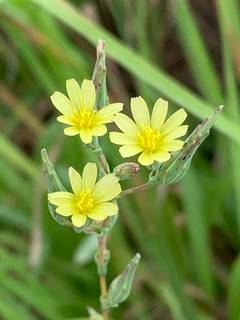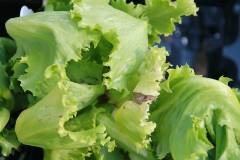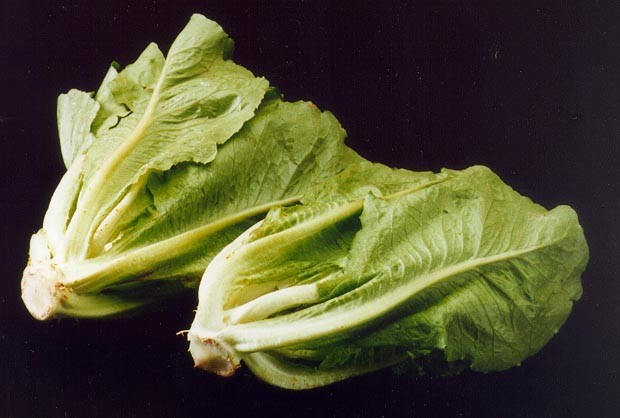
Lactuca, Genus, sativa, Species, var., Variety, longifolia, Variety,
- Genus & species
- Variety
romaine lettuce
Overview
Lactuca sativa var. longifolia encompasses romaine (cos) lettuce types in the Asteraceae family. Plants grow 8–12 inches (20–30 cm) tall in an upright, elongated, vase-shaped head. Leaves are spatulate with a thick, crisp midrib providing the characteristic crunch. More heat-tolerant than crisphead — withstands 5–10°F (3–6°C) higher temperatures before bolting. Days to maturity: 60–75 from direct sow. Highest nutritional density of common lettuce types — approximately 10× the vitamin A of iceberg. In PNW, sow March–May and August–September. The base for Caesar salad — sturdy leaves hold thick dressings without wilting.
Native Range
Lactuca sativa is derived from L. serriola, native to the Mediterranean. Romaine types grown since antiquity — 'cos' references the Greek island of Kos.Suggested Uses
Caesar salad base. Grilled romaine halves. Fresh in salads, wraps. Higher nutritional density than crisphead — recommended for health-conscious consumers.How to Identify
Growing Conditions
Sun Requirements
Requires 4-8 hours of direct sunlight daily
• Full Sun: 6+ hours of direct sunlight
• Partial Shade: 3-6 hours of direct sunlight
• Full Shade: Less than 3 hours of direct sunlight
Care & Maintenance
Care Guide
Direct sow 0.25 inch deep, thin to 8–10 inches. Full sun to partial shade, moist soil, pH 6.0–7.0. Water 1 inch per week. More heat-tolerant than crisphead.Pruning
No pruning. Harvest whole head or outer leaves. Leave 1-inch stump for regrowth.Container Growing
Suitable for container growing
Minimum container size: 3 gallons