Image 1 of 4
1 / 4
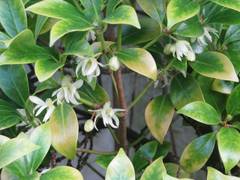
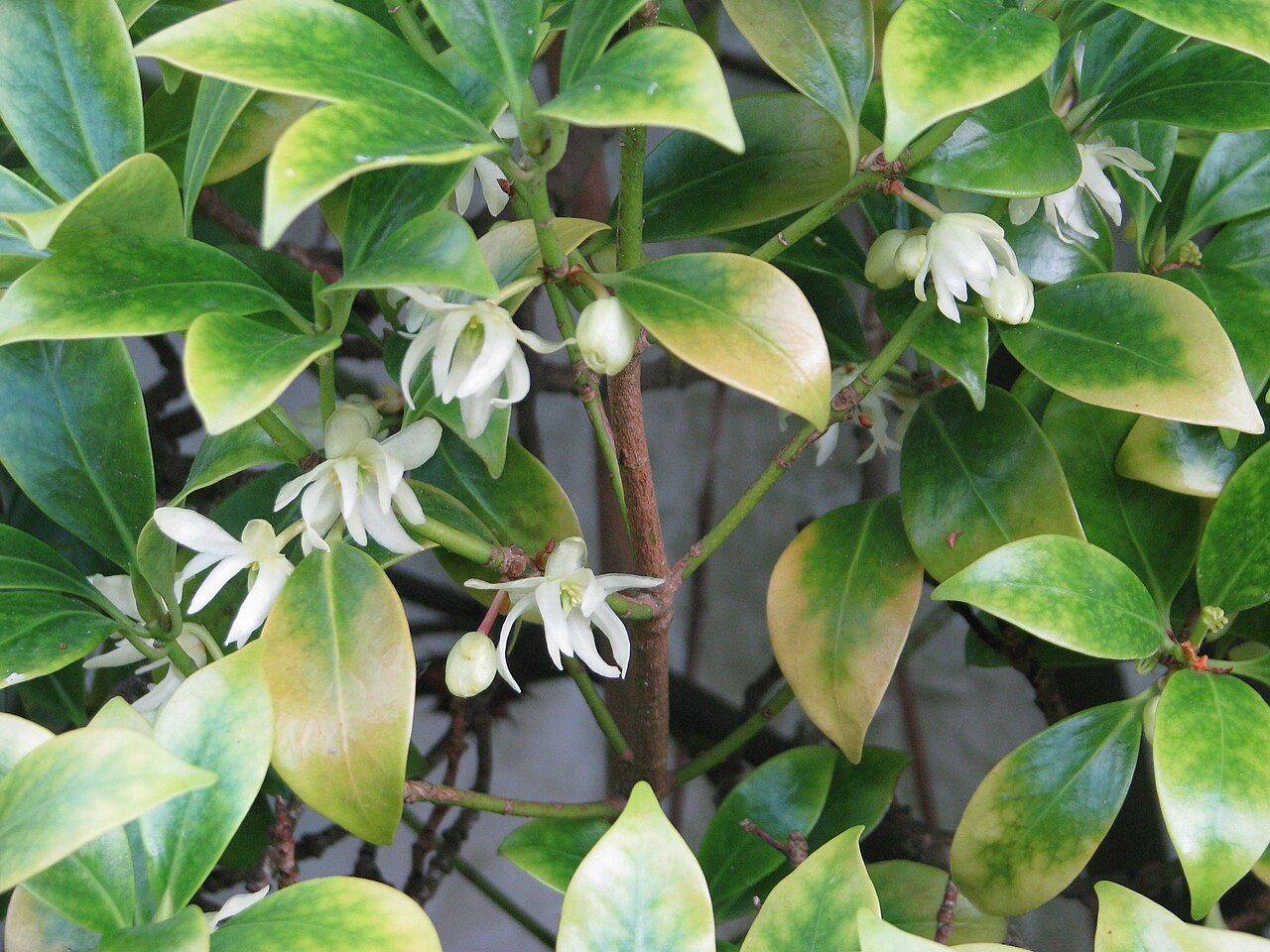
© peganum from Henfield, England, some rights reserved (CC-BY-SA) · Wikimedia Commons
Illicium, Genus, spp., Multiple species,
- Genus
- Multiple species
anise tree
Eastern Asia, southeastern United States, and the Caribbean
Overview
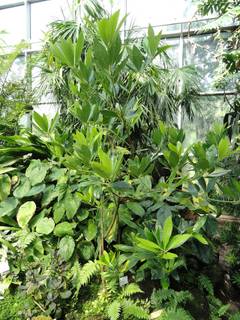
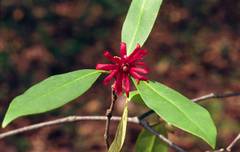
Illicium is a genus of about 40 evergreen shrubs and small trees in the family Schisandraceae, native to eastern and southeastern Asia, the southeastern United States, and the Caribbean. Plants form dense, rounded outlines 6-15 feet (1.8-4.5 m) tall, with leathery, glossy leaves 2-6 inches (5-15 cm) long that release an anise or spice scent when crushed. The many-petalled, star-shaped flowers appear in spring, ranging from greenish-yellow and cream to deep maroon-red depending on species, about 1-2 inches (2.5-5 cm) across. They are followed by woody star-shaped fruits, each a ring of seed-bearing follicles. I. floridanum of the Gulf states bears red flowers with a fishy odor, while the Asian I. verum yields the star anise used as a spice. Most species grow in moist woodland and along streambanks in shade or partial shade, tolerating wet ground better than many evergreens. The genus needs acidic, humus-rich soil and shelter from drying wind. Several species, including I. anisatum, contain potent neurotoxins and are not edible.
Native Range
Illicium is native to eastern and southeastern Asia, the southeastern United States, the Caribbean, and Mexico. Species grow in moist woodland, along streams, and on shaded slopes, with I. floridanum and I. parviflorum native to the Gulf Coast states.Suggested Uses
Illicium is grown as an evergreen shrub or informal hedge in shaded and woodland gardens and in moist or rain-garden plantings. The aromatic foliage is used in screening and foundation plantings in mild climates.How to Identify
Appearance
Size & Dimensions
Height6' - 15'
Width/Spread6' - 12'
Bloom Information
Illicium flowers in spring, generally April through May, with some species continuing sporadically into summer. The star-shaped flowers vary by species from pale cream and yellow-green to dark red; the red-flowered I. floridanum gives off a fishy scent that draws flies and beetles. Woody star-shaped fruits ripen later in the season.
Detailed Descriptions
Flower Description
cream, yellow-green, or maroon-redFoliage Description
glossy dark greenGrowing Conditions
Sun Requirements
Requires 2-6 hours of direct sunlight daily
• Full Sun: 6+ hours of direct sunlight
• Partial Shade: 3-6 hours of direct sunlight
• Full Shade: Less than 3 hours of direct sunlight
Care & Maintenance
Care Guide
Grow Illicium in partial to full shade on moist, acidic, humus-rich soil that drains freely. It tolerates wetter ground than most evergreens but needs shelter from cold, drying wind, which browns the foliage. Water during dry spells to keep the soil evenly moist, and mulch to conserve moisture and keep roots cool. Feed once in spring with an acid-forming fertilizer. Most species are hardy to about USDA zone 7, with some, such as I. parviflorum, tolerating zone 6. All parts of several species, including I. anisatum, contain the neurotoxin anisatin and are poisonous if eaten.Pruning
Illicium needs little pruning; trim after flowering to shape the plant or to maintain a hedge. It tolerates harder cutting and resprouts from old wood when renewal is needed. Remove winter-burned shoots in spring once new growth appears.Container Growing
Suitable for container growing
Minimum container size: 7 gallons