Iberis, Genus, spp., Multiple species,
- Genus
- Multiple species
candytufts
Mediterranean, southern Europe, and western Asia
Overview
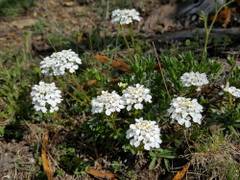
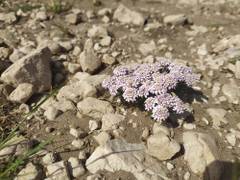
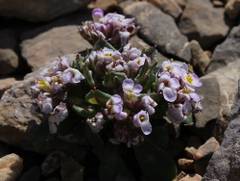
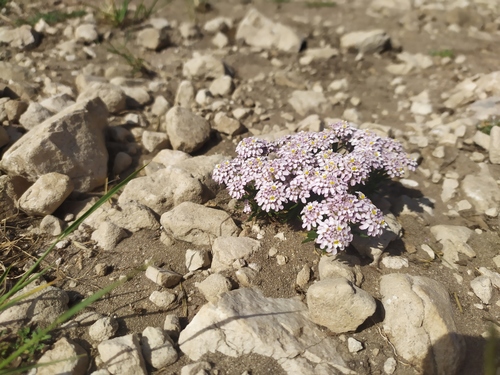
Iberis is a genus of about 30 species of annuals, perennials, and low evergreen subshrubs in the cabbage family (Brassicaceae), native to the Mediterranean region and neighbouring parts of Europe and western Asia. Plants are low and spreading to mounding, mostly 15-40 cm (6-16 in) tall, with narrow, dark green leaves. The small four-petalled flowers are packed into dense, flat-topped or domed clusters, and in each flower the two outer petals are larger than the two inner ones, giving the heads a frilled look. Flower colour is most often white, as in the evergreen perennial I. sempervirens, or pink, lilac, and purple in the annual I. umbellata. Flowering is heavy in spring and early summer. The fruit is a small, flattened, notched pod. Iberis grows in full sun and free-draining, neutral to alkaline soil, and tolerates poor, stony ground and drought once established. The main limitations are wet, heavy soils and shade, which cause the plants to rot or grow thin and sparse.
Native Range
Native to the Mediterranean region and adjacent southern Europe and western Asia, where many species grow on rocky, limestone slopes and in open, sunny ground.Suggested Uses
Grown in rock gardens, on dry walls and banks, as edging and groundcover, and in containers, with the evergreen perennials giving spring colour at the front of borders. The annual candytufts suit cutting gardens and quick seasonal display.How to Identify
Appearance
Size & Dimensions
Height6" - 1'4"
Width/Spread1' - 2'
Bloom Information
The perennial candytufts flower heavily in mid to late spring, roughly April to May, often with a lighter second flush if sheared. The annual species bloom from late spring into summer. The flowers are lightly scented and are visited by bees and butterflies.
Detailed Descriptions
Flower Description
white, pink, lilac, or purpleFoliage Description
dark greenGrowing Conditions
Sun Requirements
Requires 6-10 hours of direct sunlight daily
• Full Sun: 6+ hours of direct sunlight
• Partial Shade: 3-6 hours of direct sunlight
• Full Shade: Less than 3 hours of direct sunlight
Care & Maintenance
Care Guide
Iberis grows in full sun in light, free-draining, neutral to alkaline soil and tolerates poor, dry, stony ground once established. Wet winter soils and shade are the main causes of loss, leading to rot or thin, leggy growth. The evergreen perennials are sheared lightly after flowering to keep them compact and to encourage a second flush. Little feeding is needed, and rich soil produces soft growth at the expense of flowers. Propagation of perennials is from semi-ripe cuttings or division, and annuals are raised from seed sown where they are to grow. Established plants are drought-tolerant and otherwise undemanding.Pruning
Evergreen perennial species are trimmed lightly straight after flowering, removing the spent blooms and a little of the stem to keep a dense, mounded shape. Old, woody, bare plants respond poorly to hard cutting and are usually replaced. Annual species need no pruning.Container Growing
Suitable for container growing
Minimum container size: 2 gallons