Image 1 of 11
1 / 11
Plant Reference
Iberis, Genus, sempervirens, Species,
- Genus & species
candytuft
Southern Europe and the Mediterranean — Spain, France, Italy, Greece, and western Turkey; rocky limestone slopes, cliffs, and open scrubland
Overview
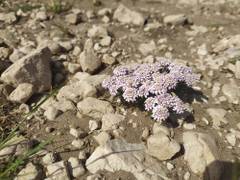
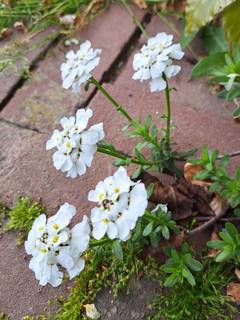
Iberis sempervirens is candytuft (evergreen candytuft), a low spreading evergreen perennial growing 6-12 inches (15-30 cm) tall and 12-24 inches (30-60 cm) wide. Pure white flowers in dense flat-topped corymbs 1.5-2 inches (4-5 cm) that completely obscure the foliage at peak bloom in April-May (4 weeks). Dark glossy green narrow evergreen leaves 0.5-1.5 inches (1.3-4 cm) on semi-woody stems. In Brassicaceae. Iberis = from Iberia. Sempervirens = evergreen. Native to southern Europe and the Mediterranean. Shear back by one-third immediately after flowering to maintain a compact dense mound — without shearing, the center becomes open and woody. This tendency toward legginess and the need for annual post-bloom shearing are the primary maintenance considerations. Short-lived (3-5 years). Tolerates alkaline and chalky soil (pH to 8.0). Drought-tolerant once established. Deer-resistant. Non-toxic. Zones 3-9. Full sun. Growth rate is moderate.
Native Range
Native to southern Europe and the Mediterranean — Spain, France, Italy, Greece, and western Turkey. Found on rocky limestone slopes, cliffs, and open scrubland.Suggested Uses
Grown as an edging plant, in rock walls, over retaining walls, and in containers of at least 3 gallons (11 L), spaced 12-24 inches (30-60 cm). Spring white corymbs. Evergreen. Chalk-tolerant. Non-toxic. Zones 3-9.How to Identify
Appearance
Size & Dimensions
Height6" - 1'
Width/Spread1' - 2'
Bloom Information
Mid to late spring (April-May). Pure white flowers in dense flat-topped corymbs 1.5-2 inches (4-5 cm). 4 weeks. Bee- and butterfly-visited.
Detailed Descriptions
Flower Description
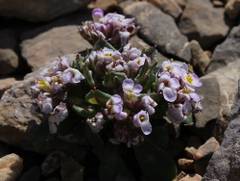
Pure white, 4-petaled (outer 2 petals larger than inner 2 — asymmetric, typical of Brassicaceae corymbs), in dense flat-topped corymbs 1.5-2 inches (4-5 cm) that completely obscure the foliage at peak bloom; April-MayFoliage Description
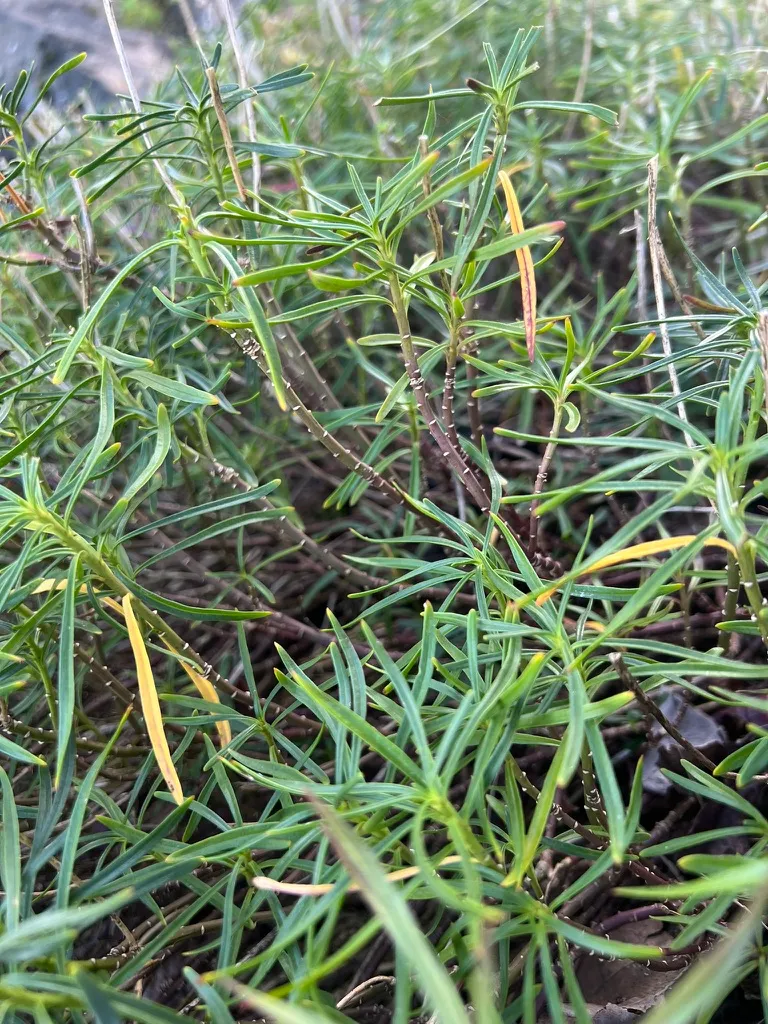
Dark glossy green, narrow, linear, 0.5-1.5 inches (1.3-4 cm); densely arranged on semi-woody stems; bronze to purplish tints in prolonged cold; evergreen year-roundGrowing Conditions
Sun Requirements
Requires 6-10 hours of direct sunlight daily
• Full Sun: 6+ hours of direct sunlight
• Partial Shade: 3-6 hours of direct sunlight
• Full Shade: Less than 3 hours of direct sunlight
Care & Maintenance
Care Guide
Full sun (6-10 hours). Well-drained soil pH 6.0-8.0 (tolerates chalk). Drought-tolerant once established. Shear back by one-third immediately after flowering (May-June). Short-lived (3-5 years) — replace woody plants. Deer-resistant. Non-toxic. Zones 3-9.Pruning
Shear back by one-third immediately after flowering (May-June) to maintain a compact dense mound. Without this annual shearing, the center becomes open and woody. Replace plants that have become sparse after 3-5 years.Pruning Schedule
Prune: May–June
late spring
Container Growing
Suitable for container growing
Minimum container size: 3 gallons