Hylotelephium, Genus, spp., Multiple species,
- Genus
- Multiple species
Live-forever
Temperate Europe, Asia, and North America
Overview
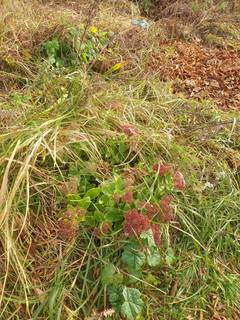
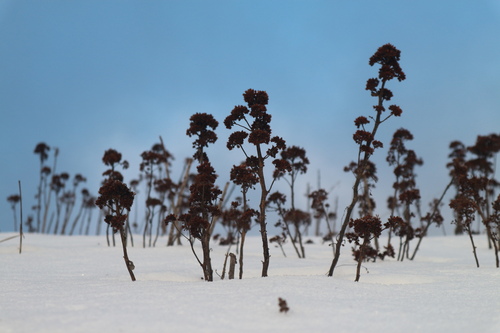
Hylotelephium is a genus of about 30 species of clump-forming succulent perennials in the stonecrop family (Crassulaceae), split from Sedum and known as live-forever or showy stonecrop. Plants form upright to arching clumps 4 to 30 in (10 to 75 cm) tall from a cluster of fleshy roots, with thick, water-storing leaves that are oval to spoon-shaped, blue-green to grey-green, and sometimes flushed purple. Unlike the mat-forming creeping sedums, these species die back to the ground each winter and resprout in spring. In late summer and autumn the stems are topped by broad flat or domed clusters of many small star-shaped flowers in pink, rose, red, or white, which age to russet and stand through winter as dry seed heads. The genus is native to temperate Europe, Asia, and parts of North America, growing on rocky slopes, woodland edges, and grassland. As succulents the plants store water in their leaves and tolerate drought and poor soil, though rich or wet ground makes the stems weak and prone to splaying open. The flowers draw bees and butterflies in late season when little else blooms.
Native Range
Hylotelephium is native to the temperate Northern Hemisphere, with most species in Europe and Asia and a few, such as H. telephioides, in eastern North America. They grow on rocky outcrops, cliffs, dry banks, woodland edges, and grassland.Suggested Uses
Hylotelephium is grown in borders, gravel and rock gardens, and prairie-style plantings for its late flowers and winter seed heads, and is used in containers and green roofs for its drought tolerance. The autumn flowers are a nectar source for bees and butterflies, and the standing seed heads add winter structure.How to Identify
Appearance
Size & Dimensions
Height4" - 2'6"
Width/Spread6" - 2'
Bloom Information
Hylotelephium blooms from late summer into autumn, roughly August to October, when the flat flower heads open over several weeks. Buds show green for weeks before color appears, and the heads pass from pink to deep rose and then russet. The dried seed heads hold their shape through winter.
Detailed Descriptions
Flower Description
pink, rose, red, or whiteFoliage Description
blue-green to grey-green, sometimes purple-flushedGrowing Conditions
Sun Requirements
Requires 6-12 hours of direct sunlight daily
• Full Sun: 6+ hours of direct sunlight
• Partial Shade: 3-6 hours of direct sunlight
• Full Shade: Less than 3 hours of direct sunlight
Care & Maintenance
Care Guide
Hylotelephium grows in full sun to light shade on lean, well-drained soil at pH 6.0 to 7.5, and tolerates drought, heat, and poor or sandy ground once established. Rich, moist, or shaded sites make the stems tall and weak, so they fall open from the center as the heavy heads form. The plants are hardy across USDA zones 3 to 9 and need no winter protection. Division every few years in spring keeps clumps dense and upright and is the usual way to increase them. Little or no feeding is needed, and overwatering causes root rot in the fleshy roots.Pruning
Cutting the stems back by half in late spring produces shorter, sturdier clumps that are less likely to flop, a technique known as the Chelsea chop. The dried flower heads are left over winter for structure and cut to the ground in early spring before new shoots rise. Tired clumps are lifted and divided at the same time.Pruning Schedule
Prune: March & May
early springlate spring
Container Growing
Suitable for container growing