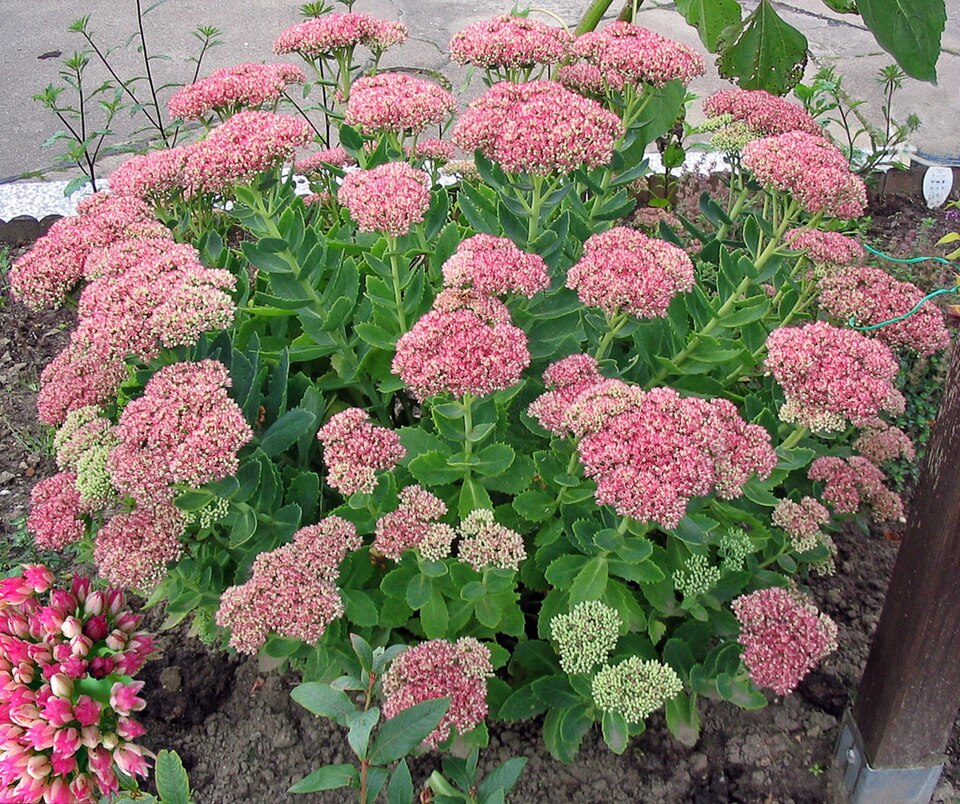
Hylotelephium, Genus, 'Herbstfreude', Cultivar,
- Genus
- Cultivar
autumn joy sedum
East Asia and temperate Eurasia (parent species)
Overview
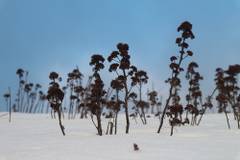
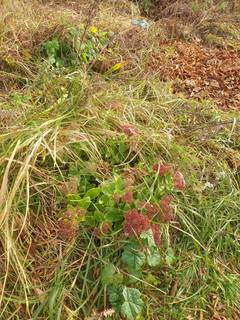
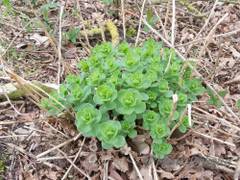
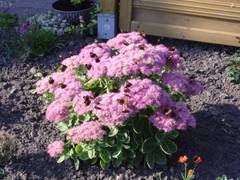
Hylotelephium 'Herbstfreude' (formerly known as Sedum 'Autumn Joy') is an upright, clump-forming herbaceous succulent perennial reaching 18-24 inches (45-60 cm) tall and 18-24 inches (45-60 cm) wide at maturity. Fleshy, oval to ovate leaves measure 1.5-3 inches (4-8 cm) long, gray-green with serrated margins, arranged in alternate to whorled patterns along erect, unbranched stems. Flat-topped corymbose flowerheads measure 4-6 inches (10-15 cm) across at peak, composed of dense clusters of 0.25 inch (6 mm) star-shaped florets. Color shifts from chartreuse-green in early August through pink in early September to deep rosy-red and finally rust-brown by November; the dried bronze flowerheads remain on stems through winter. Stems may flop in rich, fertile soil or shade, splaying outward from the center; lean, full-sun siting holds upright form. The plant is a hybrid between H. spectabile and H. telephium, derived from a 1955 German breeding cross by Georg Arends. Crowns expand outward by 1-2 inches (2.5-5 cm) per year and require division at 4-5 years to maintain bloom and form.
Native Range
The species parents of H. 'Herbstfreude', H. spectabile and H. telephium, are native to East Asia (Korea, China, Japan) and to temperate Eurasia from Europe through Siberia respectively. Both grow in dry meadows, rocky slopes, and stony soils at elevations from sea level to 6,500 feet (0-2,000 m). The 'Herbstfreude' hybrid was selected at the Arends nursery in Germany in 1955.Suggested Uses
Planted in dry borders, rock gardens, gravel beds, and the front to mid layer of mixed perennial borders, spaced 18-24 inches (45-60 cm) apart. Used as a late-season pollinator plant. Grows in containers of 5 gallons (19 L) or larger with sharp drainage and minimal watering; tolerates root crowding for 3-4 years before requiring division.How to Identify
Appearance
Size & Dimensions
Height1'6" - 2'
Width/Spread1'6" - 2'
Bloom Information
Color development begins in late July with chartreuse-green buds; flowering itself runs from late August through October in zones 4-7, with full open clusters lasting 8-10 weeks before drying to bronze-brown. In zone 3, color development starts in early August and ends with the first hard frost in late September. Bronze flowerheads persist on stems for 16-20 additional weeks through winter.
Detailed Descriptions
Flower Description
Chartreuse-green to pink to rosy-red to bronzeFoliage Description
Gray-green succulentGrowing Conditions
Sun Requirements
Requires 6-10 hours of direct sunlight daily
• Full Sun: 6+ hours of direct sunlight
• Partial Shade: 3-6 hours of direct sunlight
• Full Shade: Less than 3 hours of direct sunlight
Care & Maintenance
Care Guide
Plant in spring after the soil reaches 50°F (10°C); poorly drained sites cause crown rot and shorten lifespan. Water deeply once weekly during the first growing season; established plants require water only during prolonged drought of 4 or more weeks without rain in zones 4-7. Stem flop occurs in shade or in rich, irrigated soil; lean, full-sun sites hold form without staking. Mealybug and aphid infestations may occur on succulent stems in greenhouse-grown plants but are uncommon outdoors. Crown rot is the principal disease in waterlogged winter soils. Divide every 4-5 years in early spring as new growth begins; lift the entire crown and cut into wedges with 3-5 growing points each.Pruning
Cut spent flower stems and winter-killed stems to the ground in late February to March before new growth emerges. The Chelsea chop, taken from late May to early June, removes the upper one third of stems, reduces final height by 4-6 inches (10-15 cm), and produces shorter, sturdier stems less prone to flopping. Deadheading is not used; the dried flowerheads carry through winter.Pruning Schedule
Prune: February–March & May–June
early springlate spring
Container Growing
Suitable for container growing
Minimum container size: 5 gallons