Hoya, Genus, meredithii, Species,
- Genus & species
Hoya meredithii
Overview
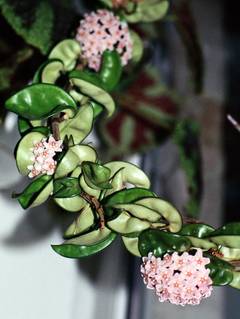
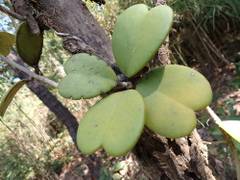
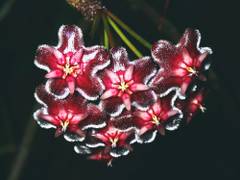
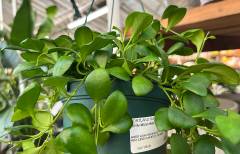
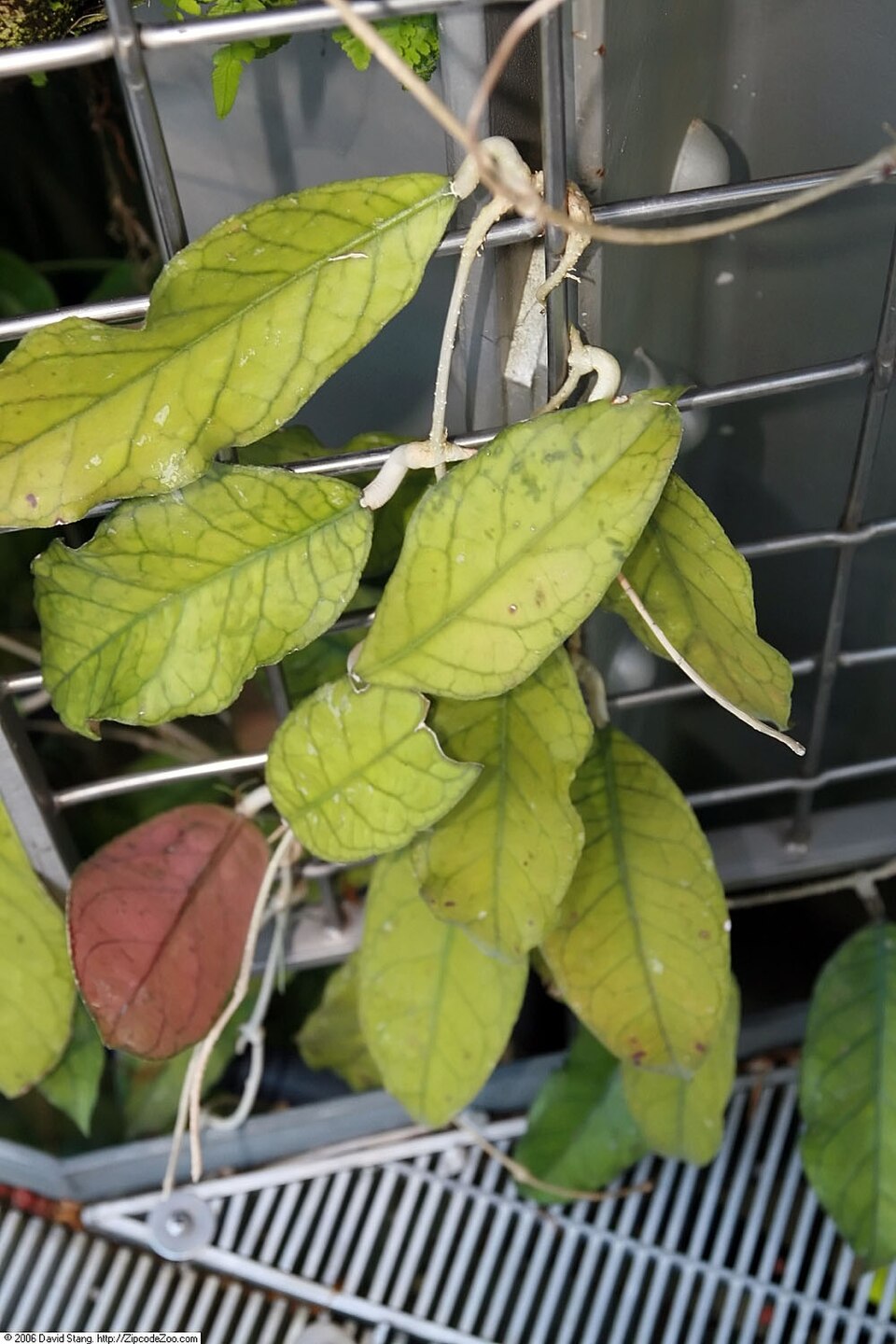
Hoya meredithii is an evergreen tropical climbing or trailing epiphytic vine in the Apocynaceae (Asclepiadoideae) subfamily, grown indoors and in greenhouses for its large dark-green leaves with prominent yellow-green veining and its pendant umbels of waxy fragrant flowers. Mature plants extend stems 4–8 feet (1.2–2.4 m) long, twining loosely on a trellis or moss pole or trailing freely from a hanging basket; new growth emerges with a pinkish flush that hardens to dark green over 4–6 weeks. Leaves are opposite, oblong-elliptic, 4–7 inches (10–18 cm) long and 2–3.5 inches (5–9 cm) wide, leathery, with a glossy dark-green ground and pale-green to yellow-green primary and secondary veins that show clearly against the dark lamina. Flowers form in pendant umbels of 15–25 individual stars 0.5–0.8 inch (12–20 mm) across, with cream to pale-yellow corollas and red-pink coronas; flowers are sweetly fragrant in evening hours and reuse the same peduncle (spur) across multiple bloom cycles, so peduncles are not removed after bloom. Bloom occurs in repeating flushes of 2–3 weeks during warm months from late spring through early autumn. The latex sap is mildly toxic to pets if ingested, with reports of mild gastrointestinal upset; skin contact can irritate sensitive individuals.
Native Range
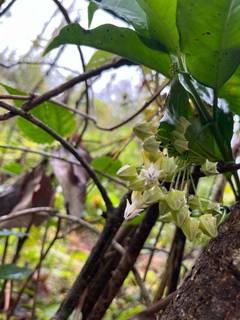
Hoya meredithii is native to the rainforests of Sarawak, Malaysian Borneo, growing as an epiphytic climbing vine on tree trunks in lowland tropical forest. The species was described from collections made in Borneo and is propagated commercially by stem cuttings; the original wild population is restricted to a small area of primary forest.Suggested Uses
Used as a hanging-basket or trellised specimen in living rooms, kitchens, and east-facing windows where humidity stays above 50%, and as a tropical epiphyte mounted on cork or tree-fern slabs in conservatories. Pairs in collections with other warm-growing epiphytes (Hoya carnosa, Hoya kerrii, Aeschynanthus, small Anthurium) at similar light requirements. Spaced one plant per 6–8 inch (15–20 cm) pot, the cultivar reaches blooming size within 18–24 months from a rooted cutting.How to Identify
Appearance
Size & Dimensions
Height4' - 8'
Width/Spread1' - 2'
Bloom Information
Pendant umbels of 15–25 cream-and-red waxy flowers open in flushes of 2–3 weeks during warm months from late spring through early fall (May–September), with mature plants producing 4–8 flushes per season under bright indirect light. Each umbel lasts 7–10 days before flowers drop while the peduncle (spur) remains for reuse on later cycles. Flowers are sweetly fragrant in evening hours with peak scent from dusk through midnight; bloom is uncommon under low light or below 65°F (18°C).
Detailed Descriptions
Flower Description
cream with red-pink coronaFoliage Description
glossy dark green with yellow-green veinsGrowing Conditions
Sun Requirements
Requires 1-4 hours of direct sunlight daily
• Full Sun: 6+ hours of direct sunlight
• Partial Shade: 3-6 hours of direct sunlight
• Full Shade: Less than 3 hours of direct sunlight
Care & Maintenance
Care Guide
Bright indirect light of 10,000–25,000 lux suits this species, with 1–2 hours of early morning direct sun acceptable; under 8,000 lux flowering is rare and new leaves push out without the pinkish flush. Temperatures of 65–85°F (18–29°C) are required, with leaf damage starting at 50°F (10°C). A coarse epiphyte mix of orchid bark, perlite, and coco chips (3:1:1) drains within 30 seconds of watering and matches the rooting habit of the wild plant. Watering occurs when the top half of the pot dries; root rot in waterlogged medium is the main cause of plant loss in this species. Balanced or low-nitrogen liquid fertilizer at half strength every 3–4 weeks during active growth (April–September) supports flowering; high-nitrogen feed promotes leaves at the expense of flowers. Spent peduncles are not removed because the plant reflowers from the same spur for several seasons.Pruning
Stems are tip-pruned only when length becomes unmanageable, since vegetative growing tips produce new flowering peduncles on this species rather than older wood. Damaged or scorched leaves are cut at the petiole using a clean blade. The reused flowering spur is left in place after bloom; cutting it removes future bloom from that node entirely.Pruning Schedule
Prune: February–March
winterearly spring
Container Growing
Suitable for container growing
Minimum container size: 1 gallons