Hordeum, Genus, brachyantherum, Species,
- Genus & species
meadow barley
Overview
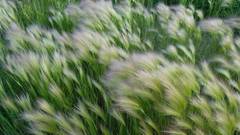
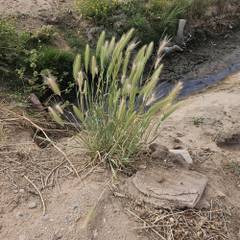
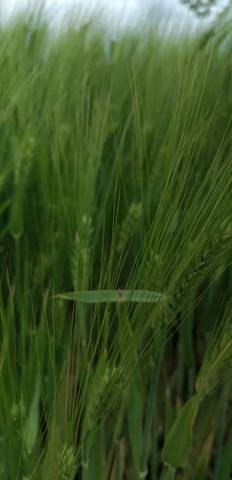
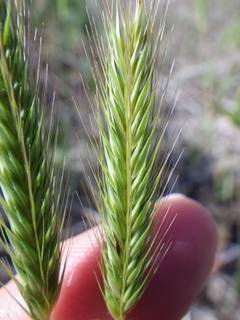
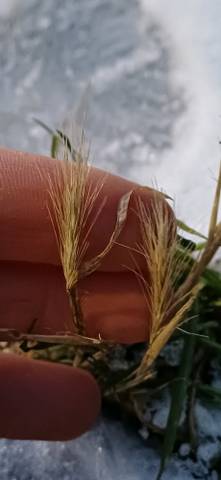
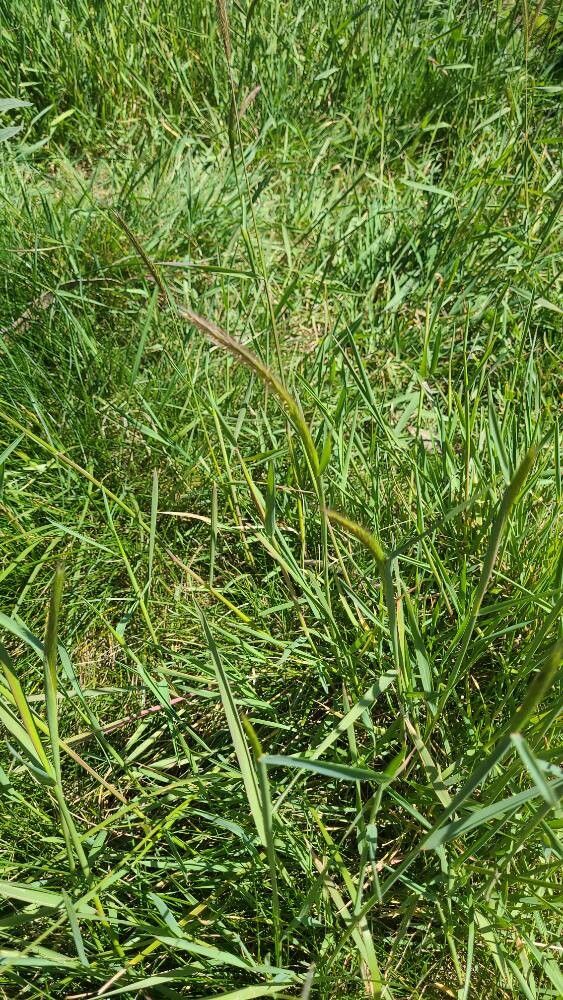
Hordeum brachyantherum is a perennial cool-season bunchgrass reaching 12-30 inches (30-75 cm) tall in flower and 6-12 inches (15-30 cm) in basal foliage, forming tufts 6-12 inches (15-30 cm) wide. Stems (culms) are erect to slightly geniculate, slender, and 0.04-0.08 inch (1-2 mm) thick. Leaf blades are flat to slightly inrolled, 0.1-0.3 inch (2-7 mm) wide, 3-8 inches (7.5-20 cm) long, with rough surfaces. Leaf sheaths are open, with auricles small or lacking. Flower spikes are 1.5-4 inches (4-10 cm) long, slender, and dense, with 3 spikelets per node and awns 0.2-0.5 inch (5-12 mm) long projecting from glumes; the central spikelet is fertile while the lateral pair are typically sterile or rudimentary. Bloom occurs from May through July. Mature spikes break apart into 3-spikelet clusters that disperse with awns acting as anchors. Plants persist 3-7 years on suitable moist sites and are often replaced by seedlings rather than long-lived crowns. Foliage browns and dies back during summer drought; new growth resumes with fall rains in mediterranean-climate regions.
Native Range
Native to western North America from Alaska south through British Columbia, the Pacific Coast states, and the Rocky Mountains to New Mexico and Mexico, and east across Canada to Quebec. Found in moist meadows, brackish coastal marshes, vernal pools, riparian swales, and disturbed wet sites at 0-9,000 feet (0-2,750 m) elevation; tolerates seasonal salinity in coastal populations.Suggested Uses
Used in moist-meadow restoration, vernal pool fringes, riparian buffer plantings, and pollinator meadow sowings at 6-12 inch (15-30 cm) seeding density. Suited to seasonal wetland mitigation, seasonally moist swales, and coastal salt-marsh restoration in tolerated populations. Performs poorly in dry summer-irrigated borders and competition-heavy garden settings dominated by introduced grasses.How to Identify
Appearance
Size & Dimensions
Height1' - 2'6"
Width/Spread6" - 1'
Bloom Information
Flower spikes emerge from May through July across most of the range, with peak bloom in June at low elevations and into July at higher sites. Individual spikes ripen 3-4 weeks after emergence; total reproductive period extends 5-7 weeks per population. Spikes shatter and disperse from mid-July through August. Bloom is reduced in dry springs that shorten growth before stem elongation.
Detailed Descriptions
Flower Description
green-tan with awns; drying to strawFoliage Description
medium green; flat to slightly inrolledGrowing Conditions
Sun Requirements
Requires 6-12 hours of direct sunlight daily
• Full Sun: 6+ hours of direct sunlight
• Partial Shade: 3-6 hours of direct sunlight
• Full Shade: Less than 3 hours of direct sunlight
Care & Maintenance
Care Guide
Water deeply weekly during the first growing season; established plants require seasonal moisture (winter and spring) but tolerate dry summer dormancy. Plants flower poorly in second-year crowns under summer irrigation; subsequent population maintenance depends on annual seed production. Aphids occasionally cluster on developing spikes; populations remain low. Plants self-sow in bare moist soil, producing 50-200 seeds per spike; volunteer seedlings establish in fall and overwinter as basal rosettes. No fertilizer is needed in restoration plantings; fertile soils favor weedy non-native annual grasses. Crowns decline after 3-7 years; populations are sustained by seedling recruitment.Pruning
Cut spent stems and dried foliage to 2-4 inches (5-10 cm) above the crown in late summer or early fall after seed dispersal. The cool-season foliage resumes growth from the basal crown with autumn rains. Pruning during summer dormancy reduces survival; plants do not actively resprout in dry conditions.Pruning Schedule
Prune: August–September
summerfall