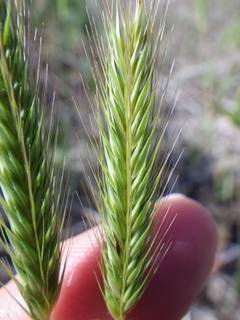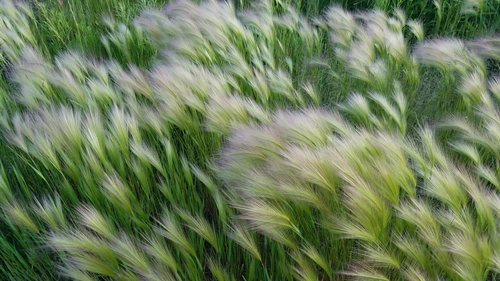
Hordeum, Genus, spp., Multiple species,
- Genus
- Multiple species
barleys
temperate Northern Hemisphere and South America
Overview
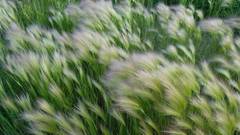
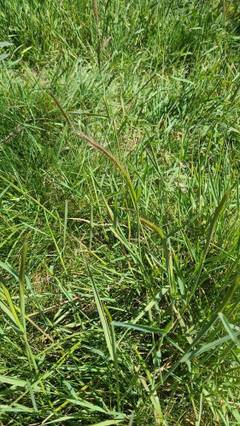
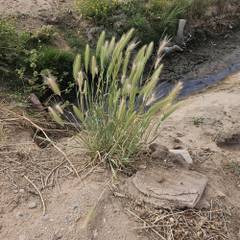
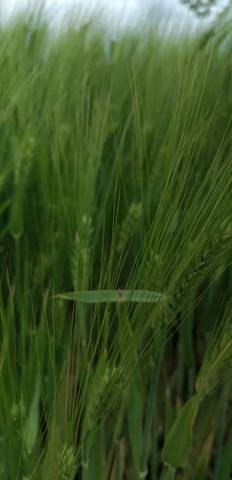
Hordeum is a genus of about 30 species of annual and perennial grasses in the family Poaceae, native to temperate regions of the Northern Hemisphere and parts of South America. Plants form tufts or clumps of narrow, flat leaf blades, green to blue-green, and range from 8 to 48 inches (20 to 120 cm) tall and 6 to 18 inches (15 to 45 cm) wide. The flowers are borne in dense, bristly, cylindrical spikes at the top of the stems, each spikelet bearing long, slender awns that are green to straw-colored and sometimes flushed silvery or purple. The genus includes cultivated barley, H. vulgare, one of the oldest domesticated cereal grains, as well as wild and weedy species such as foxtail barley, H. jubatum, grown for its soft, nodding, awned spikes. The awns of several wild species are barbed and can lodge in the mouths, eyes, and skin of grazing animals and pets. Plants grow in full sun in a wide range of soils and tolerate drought, salinity, and poor fertility. Annual species die after setting seed, while perennial species form persistent clumps, and many self-sow and spread readily.
Native Range
Hordeum occurs through the temperate Northern Hemisphere, including Europe, Asia, and North America, with additional species in temperate South America. H. jubatum is native across northern and western North America, while cultivated barley originated in the Fertile Crescent of the Middle East.Suggested Uses
Hordeum is used in meadow and prairie plantings, in dried and fresh arrangements for its awned spikes, and as a cool-season cover and forage crop in the case of cultivated barley. Ornamental foxtail barley is grown in borders and gravel gardens. The spreading, self-sowing habit and barbed awns limit its use near pets, livestock, and tidy beds.How to Identify
Appearance
Size & Dimensions
Height8" - 4'
Width/Spread6" - 1'6"
Colors
Bloom Information
Hordeum flowers mainly from late spring into summer, around May through July, with the awned spikes emerging over a few weeks. After flowering, the spikes dry to straw color and shatter into awned segments that carry the seed. Annual species complete flowering and die within one season.
Detailed Descriptions
Flower Description
green to straw, with silvery to purplish awnsFoliage Description
green to blue-greenGrowing Conditions
Sun Requirements
Requires 6-12 hours of direct sunlight daily
• Full Sun: 6+ hours of direct sunlight
• Partial Shade: 3-6 hours of direct sunlight
• Full Shade: Less than 3 hours of direct sunlight
Care & Maintenance
Care Guide
Hordeum grows in full sun in well-drained soil and tolerates drought, salinity, and lean, poor ground. Plants need little water once established and grow quickly in cool spring weather. Rich, fertile soils produce taller, weaker stems that lodge, or fall over, in wind and rain. Wild species self-sow heavily and can spread into lawns, paddocks, and beds, becoming weedy. Annual species are grown from seed sown in fall or early spring, while perennial clumps can be divided in spring. The barbed awns of foxtail barley pose an injury risk where pets and livestock graze.Pruning
Hordeum needs little pruning. Perennial species can be cut back to the ground in late winter before new growth begins. Removing the spikes before they ripen limits self-sowing and reduces the spread of barbed awns.Toxicity
Non-toxicPlanting Guide
Planting Methods & Timing
Planting Method
direct sow
Direct Sow Timing
fall or early spring
Days to Maturity
60–90 days
Plant Spacing
6 inches