Hieracium, Genus, albiflorum, Species,
- Genus & species
white hawkweed
Overview
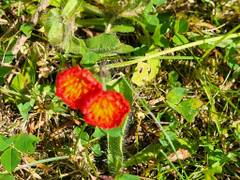
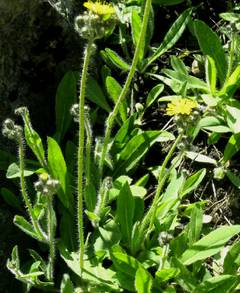
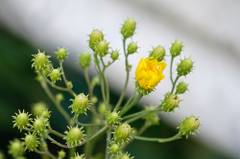
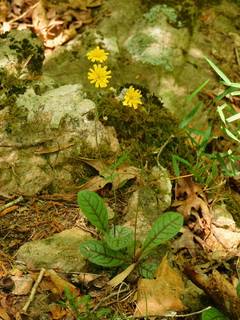
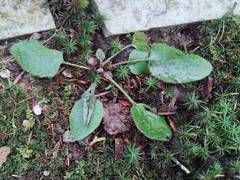
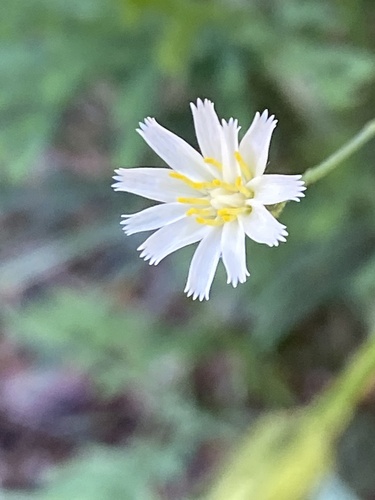
Hieracium albiflorum is a herbaceous perennial reaching 12-36 inches (30-90 cm) tall, with a slender, often unbranched stem rising from a basal rosette. The lower leaves are oblong to lance-shaped, 2-5 inches (5-13 cm) long, covered with long white hairs, while the upper stem is nearly leafless and smooth. Flower heads are about 0.5-0.75 inch (1.3-2 cm) across, made up entirely of white strap-shaped ray florets, carried in an open branched cluster. Bloom occurs in summer. The stems and leaves contain milky sap. Seeds bear a tan pappus and disperse on the wind. The plant appears in forest openings and recently burned or cleared ground, spreading by seed and fading as shrubs and trees close the canopy. Unlike most hawkweeds, which have yellow flowers, this species has white ray florets.
Native Range
Native to western North America, from Alaska and British Columbia south through the mountains of California and the Rockies into northern Mexico. Grows in open coniferous forests, clearings, burned areas, and roadsides on well-drained soils from foothills to subalpine elevations.Suggested Uses
Used in native plant gardens, meadow and woodland-edge plantings, and restoration of disturbed or burned sites, spaced 12-18 inches (30-45 cm) apart. Suited to naturalized, low-water settings rather than formal beds. Supports small pollinators visiting the summer flowers.How to Identify
Appearance
Size & Dimensions
Height1' - 3'
Width/Spread6" - 1'
Bloom Information
Flowers in summer, mainly June through August, with timing later at higher elevations. Each open cluster blooms over several weeks. Flowering is often heavier on recently disturbed or burned ground.
Detailed Descriptions
Foliage Description
green, white-hairyGrowing Conditions
Sun Requirements
Requires 4-10 hours of direct sunlight daily
• Full Sun: 6+ hours of direct sunlight
• Partial Shade: 3-6 hours of direct sunlight
• Full Shade: Less than 3 hours of direct sunlight
Care & Maintenance
Care Guide
Grows in full sun to part shade on dry to moderately moist, well-drained soil. It needs little or no irrigation once established and tolerates poor, rocky forest soils. The plant self-seeds and behaves as an early colonizer of disturbed ground, declining as taller vegetation returns. It needs no feeding in native soils. Few pests or diseases affect it. Spent stems can be cut after seed set.Pruning
No routine pruning is needed. Cutting spent flower stems before seed matures limits self-seeding. The basal rosette persists and sends up new flowering stems in following seasons.Pruning Schedule
Prune: September
fall