Hieracium, Genus, spp., Multiple species,
- Genus
- Multiple species
hawkweeds
Overview
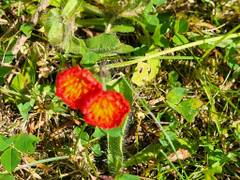
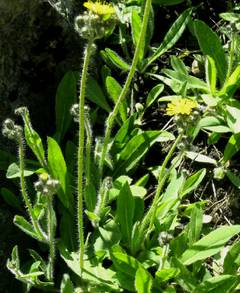
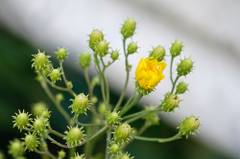
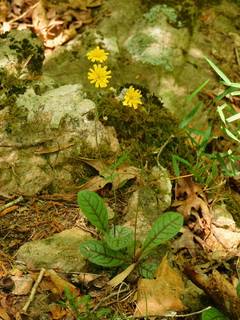
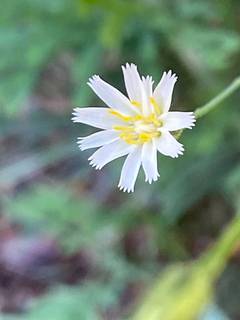
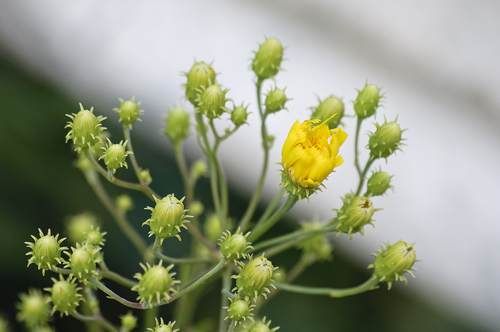
Hieracium is a genus of perennial herbs in the daisy family (Asteraceae) containing several hundred to, by some counts, thousands of closely related microspecies, the result of widespread apomixis (seed set without fertilization). The genus is native to Europe, Asia, North and South America, and parts of Africa, growing in meadows, woodland clearings, rocky slopes, and disturbed ground. Plants form basal rosettes of hairy, often toothed leaves and send up branched, leafy or nearly leafless stems 4-48 inches (10-120 cm) tall, exuding milky sap when broken. The flower heads are dandelion-like, composed entirely of strap-shaped ray florets, usually yellow and occasionally orange or red, 0.5-1.2 inches (1.3-3 cm) across and carried in branched clusters. Seeds are dark and tipped with a pappus of brownish hairs that carries them on the wind. Unlike the related Pilosella, most Hieracium species lack creeping runners and spread by seed alone, though several are still listed as invasive weeds in pasture and rangeland in North America, New Zealand, and Australia. A few species are grown for their yellow or orange heads. The dense hairs on leaves and stems are a constant feature across the genus.
Native Range
Hieracium species are native across Europe, temperate and northern Asia, North and South America, and the mountains of Africa, with great diversity in Europe and the Americas. Several Eurasian species have naturalized in North America and the Southern Hemisphere, where some are regulated as noxious weeds.Suggested Uses
Yellow- and orange-flowered Hieracium species are occasionally grown in wildflower meadows, gravel gardens, and informal borders where self-seeding is acceptable. The long-stalked heads are used in naturalistic and pollinator plantings. In regions where the genus is invasive, planting it is restricted or prohibited.How to Identify
Appearance
Size & Dimensions
Height4" - 4'
Width/Spread6" - 1'6"
Bloom Information
Most hawkweeds flower from early summer into autumn, roughly June to September, with the main flush in midsummer. The heads open in the morning and close in the afternoon and in dull weather. Bloom is followed quickly by wind-borne seed, and plants can flower in their first or second year from seed.
Detailed Descriptions
Flower Description
yellow to orangeFoliage Description
green, hairyGrowing Conditions
Sun Requirements
Requires 4-12 hours of direct sunlight daily
• Full Sun: 6+ hours of direct sunlight
• Partial Shade: 3-6 hours of direct sunlight
• Full Shade: Less than 3 hours of direct sunlight
Care & Maintenance
Care Guide
These plants grow in full sun to part shade and tolerate poor, dry, acidic soils, including gravelly and rocky ground where many garden plants grow poorly. They need little water once established and no feeding, as lean soil suits them better than rich ground. Open, low-fertility sites and thin turf let seedlings establish readily, so the plants spread fastest in disturbed and overgrazed land. Heavy, fertile, densely planted ground slows their spread by competition. Because several species are invasive, removing flower heads before seed set and growing them in contained beds limit their movement. Few pests or diseases affect them.Pruning
Removing the flower heads before they ripen seed is the main task, as it limits the wind-blown spread that makes the genus weedy. Cutting or mowing reduces seeding but does not kill the rosettes, which regrow. Whole stems are cut to the base in late autumn.Container Growing
Suitable for container growing