Hemerocallis, Genus, citrina, Species,
- Genus & species
Citron daylily
Overview
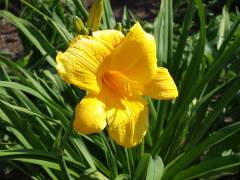
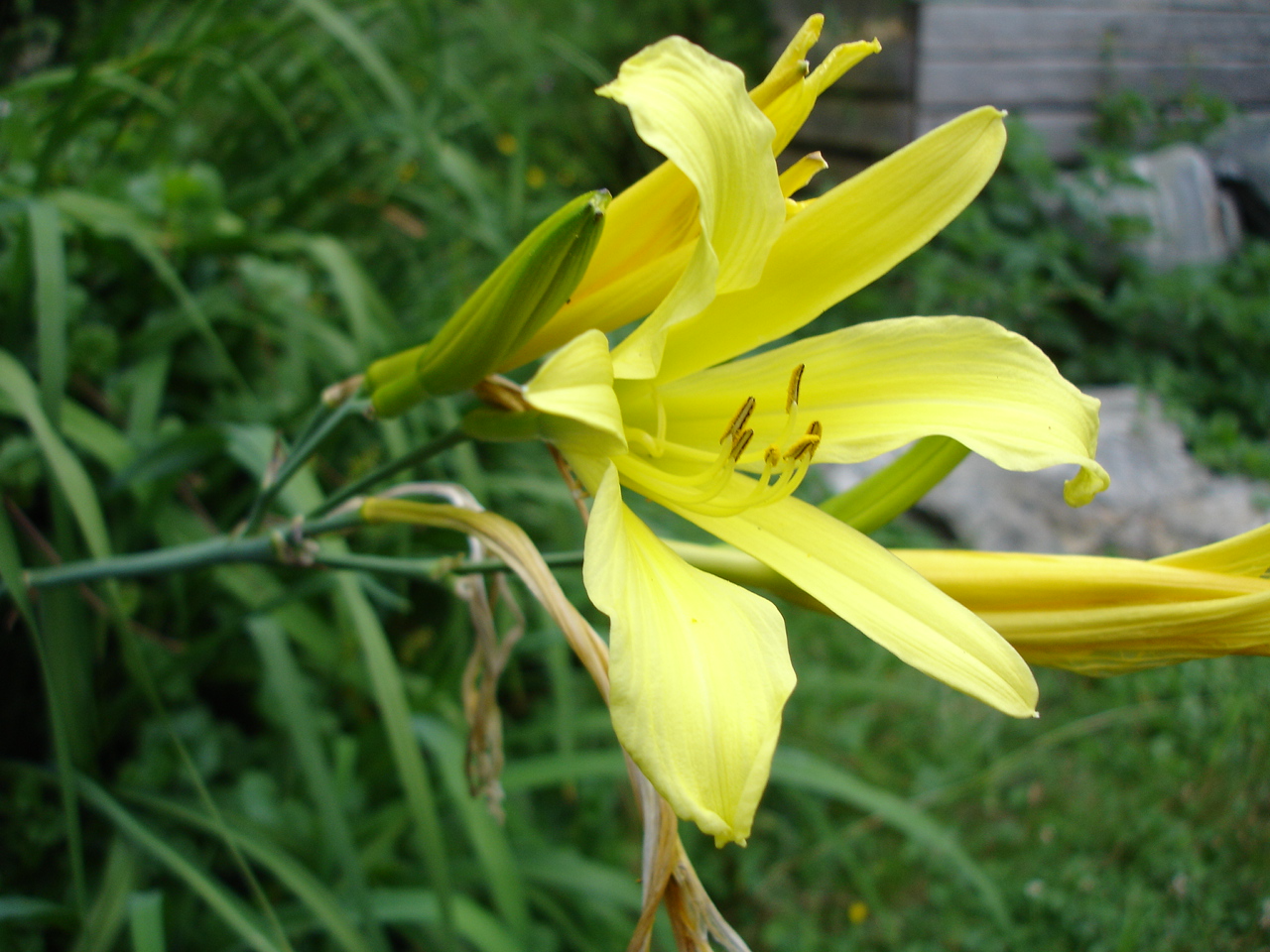
Hemerocallis citrina is a clump-forming herbaceous perennial in the asphodel family (Asphodelaceae), with arching leaves 24–36 inches (60–90 cm) long and flower stalks 36–48 inches (90–120 cm) tall, in clumps 24–36 inches (60–90 cm) wide. Leaves are strap-shaped, 0.75–1 inch (19–25 mm) wide, medium green, and emerge from fleshy roots. Flower stalks are branched and carry 20–50 buds each. Flowers are narrowly funnel-shaped, lemon-yellow, 4–6 inches (10–15 cm) long, fragrant, and open in the evening and stay open through the next morning, wilting by midday. Plants bloom from June to August, with a peak in June and July. Fruits are 3-sided capsules 1 inch (2.5 cm) long. Clumps expand slowly by 2–4 inches (5–10 cm) per year. Daylily rust and aphids affect foliage and buds, and plants flower less in shade deeper than 4 hours of sun. All parts, including pollen, cause acute kidney failure in cats if eaten.
Native Range
Hemerocallis citrina is native to central and northern China. It grows in grassy slopes, thickets, and open woodland at low to mid elevations.Suggested Uses
Used in borders, along walkways, and in mass plantings, spaced 24–36 inches (60–90 cm) apart. Flower buds are dried and cooked as a vegetable in Chinese cuisine.How to Identify
Appearance
Size & Dimensions
Height3' - 4'
Width/Spread2' - 3'
Bloom Information
Flowers open from June to August, with a peak in June and July. Each flower opens in the evening and wilts by midday the next day, and each stalk carries 20–50 buds that open over 3–4 weeks. Moths visit the flowers at night.
Detailed Descriptions
Foliage Description
Medium greenGrowing Conditions
Sun Requirements
Requires 6-10 hours of direct sunlight daily
• Full Sun: 6+ hours of direct sunlight
• Partial Shade: 3-6 hours of direct sunlight
• Full Shade: Less than 3 hours of direct sunlight
Care & Maintenance
Care Guide
Grows in full sun to part shade in well-drained loam or clay with a pH of 6.0–7.0. Hardy in USDA zones 3–9. Plants receive 1 inch (25 mm) of water per week during bloom, and established clumps tolerate dry spells of 3–4 weeks. Clumps are divided every 4–6 years in early fall or spring. Plants in shade deeper than 4 hours of sun flower less. Daylily rust, aphids, and thrips affect foliage and buds.Pruning
Spent flower stalks are cut at the base after blooming ends in August. Foliage is cut to 2–3 inches (5–7.5 cm) in fall after yellowing or in early spring before new growth.Pruning Schedule
Prune: March & October
early springfall
Container Growing
Suitable for container growing
Minimum container size: 5 gallons