Hedera, Genus, hibernica, Species,
- Genus & species
Atlantic or Irish ivy
Atlantic coast of Europe (Ireland, western Britain, Atlantic France, Iberian Peninsula)
Overview
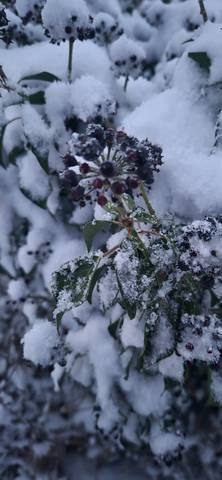
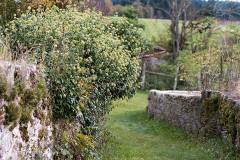
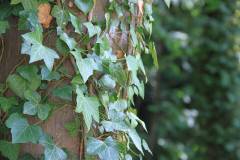
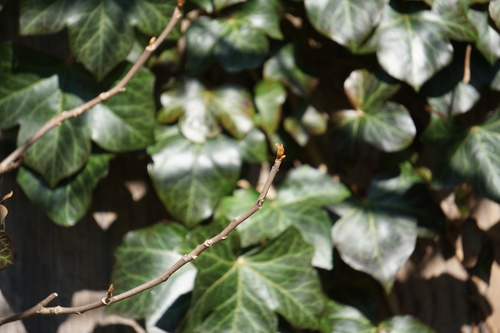
Hedera hibernica is a vigorous evergreen climbing and ground-covering vine in the ginseng family (Araliaceae) reaching 50 feet (15 m) or more when climbing trees, walls, or fences, and spreading indefinitely as ground cover. The species is the dominant invasive ivy across most of the Pacific Northwest, though nursery plants are often sold under the name Hedera helix (English ivy). Stems are woody and climb via adventitious rootlets that adhere to bark, rock, and masonry. Juvenile leaves are palmately 3-5 lobed 2-5 inches (5-13 cm) across, dark green and glossy with lighter venation. Mature (adult-phase) leaves on flowering stems are unlobed, ovate to rhombic, 2-4 inches (5-10 cm) long. Flowers are small yellow-green in terminal umbels on mature stems in fall, which places H. hibernica among the small set of insect-pollinated plants flowering in October-November in the region. Fruit is a dark purple-black drupe 0.3-0.4 inch (7-10 mm) in diameter, ripening in late winter through spring and consumed and dispersed by birds. A single mature stem carries 50-200 berries. Ground-cover stems root at every node. Climbing stems add weight to trees, and the combination of this loading with the evergreen wind-sail effect in winter storms raises windthrow risk on ivy-covered trees. The species is listed as a Class C noxious weed in Washington State. All plant parts are toxic; foliage contains falcarinol, which causes contact dermatitis on sensitive skin, and berries cause gastrointestinal distress in humans and pets if ingested.
Native Range
Hedera hibernica is native to the Atlantic coast of Europe, including Ireland, western Britain, Atlantic France, and the Iberian Peninsula, in woodlands, hedgerows, and coastal cliffs from sea level to approximately 2,000 feet (600 m). The species is widely planted as an ornamental ground cover and climbing vine. Naturalized and invasive in the Pacific Northwest, where it is the dominant ivy in urban forests, parks, and riparian areas.Suggested Uses
Used in invasive-species identification training for urban foresters, park managers, and volunteer work parties. The ivy species complex (H. hibernica versus H. helix) is taught in applied taxonomy courses. Studied in urban forest ecology, tree failure risk assessment (ivy weight loading), and bird-mediated seed dispersal. Fall-flowering phenology carries the species into late-season pollinator-ecology curricula.How to Identify
Appearance
Size & Dimensions
Height5' - 50'
Width/Spread5' - 30'
Bloom Information
Small yellow-green flowers in terminal umbels on mature (adult-phase) stems, borne September through November. The late autumn flowering window places the species among late-season insect-pollinated plants in the Pacific Northwest. Pollinators include flies, wasps, and late-season bees. Dark purple-black drupes ripen February through April and are consumed and dispersed by robins, starlings, and waxwings, which deposit seeds into forests and along fencelines.
Detailed Descriptions
Flower Description
Yellow-green; small flowers in terminal umbels; September-NovemberFoliage Description
Dark green and glossy; palmately 3-5 lobed on juvenile stems 2-5 inches (5-13 cm); unlobed and ovate to rhombic on mature flowering stems; evergreenGrowing Conditions
Sun Requirements
Requires 2-10 hours of direct sunlight daily
• Full Sun: 6+ hours of direct sunlight
• Partial Shade: 3-6 hours of direct sunlight
• Full Shade: Less than 3 hours of direct sunlight