Hedera, Genus, spp., Multiple species,
- Genus
- Multiple species
ivies
Overview
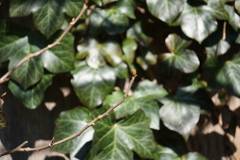
Hedera is a genus of about 12 to 15 species of evergreen woody vines in the family Araliaceae, native to Europe, North Africa, and across Asia to Japan. The plants climb by short aerial rootlets that grip bark, masonry, and other surfaces, reaching 50 to 100 feet (15 to 30 m) where support allows, or spreading across the ground as a dense mat 6 to 12 inches (15 to 30 cm) deep. Foliage occurs in two forms: juvenile leaves are lobed, 2 to 4 inches (5 to 10 cm) wide, and borne on climbing or trailing stems, while adult leaves on mature flowering shoots are unlobed and oval. Small greenish-yellow flowers open in rounded umbels in late summer and fall, followed by clusters of black or dark blue berries 0.2 to 0.4 inch (5 to 10 mm) across. Hedera grows in USDA zones 4 to 9 and tolerates deep shade. The leaves and berries contain saponins toxic to people and pets, the aerial roots can damage paint and mortar, and H. helix is classed as an invasive weed in parts of North America.
Native Range
Native to Europe, North Africa, and temperate and subtropical Asia, growing in woodlands where it climbs tree trunks and covers the ground. H. helix, English ivy, ranges across Europe and has naturalized widely in North America.Suggested Uses
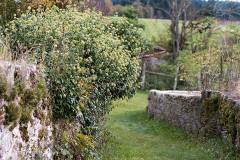
Grown as an evergreen ground cover under trees, on shaded banks, and as a covering for walls and fences, as well as in containers and hanging baskets as a trailing foliage plant. It is also trained over topiary frames. Spread is aggressive, so use near woodland or old masonry is often avoided.How to Identify
Appearance
Size & Dimensions
Height50' - 100'
Width/Spread3' - 15'
Bloom Information
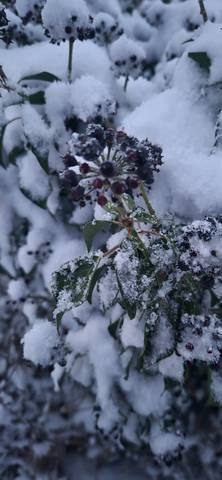
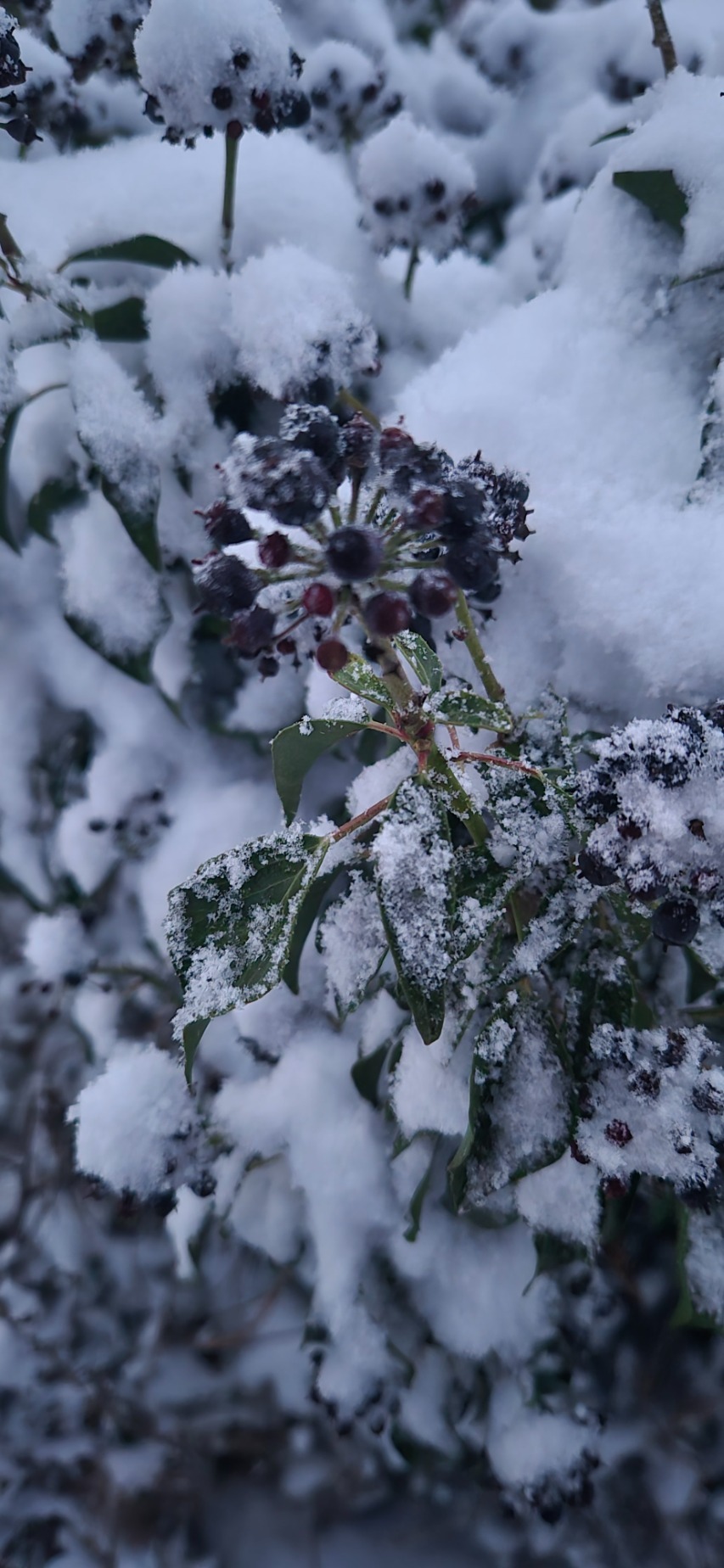
Flowers open in late summer and fall, in rounded greenish-yellow umbels carried only on mature adult shoots. The flowers are a late-season nectar source for wasps, flies, and bees. Black berries follow over winter and into spring.
Detailed Descriptions
Foliage Description
dark green, sometimes variegatedGrowing Conditions
Sun Requirements
Tolerates up to 8 hours of direct sunlight daily
• Full Sun: 6+ hours of direct sunlight
• Partial Shade: 3-6 hours of direct sunlight
• Full Shade: Less than 3 hours of direct sunlight
Care & Maintenance
Care Guide
Grows in full shade to full sun, with juvenile climbing growth tolerating deep shade and adult flowering growth needing more light. Most soils are suitable provided they are not waterlogged, and established plants tolerate drought and poor ground. Regular water helps new plantings root, after which little care is needed. Cold hardiness spans USDA zones 4 to 9, with leaf scorch possible in dry, exposed winter sites. Vigorous growth can overrun nearby plants and structures, so containment is part of routine maintenance. Bacterial leaf spot and spider mites occur on stressed plants.Pruning
Stems are sheared or cut back at any point in the growing season to control spread and keep growth off windows, gutters, and tree canopies. Cutting climbing stems at the base kills the growth above. Removing flowering adult shoots reduces berry set and self-seeding.Pruning Schedule
Prune: April–June
springsummer
Container Growing
Suitable for container growing
Minimum container size: 2 gallons