Image 1 of 13
1 / 13
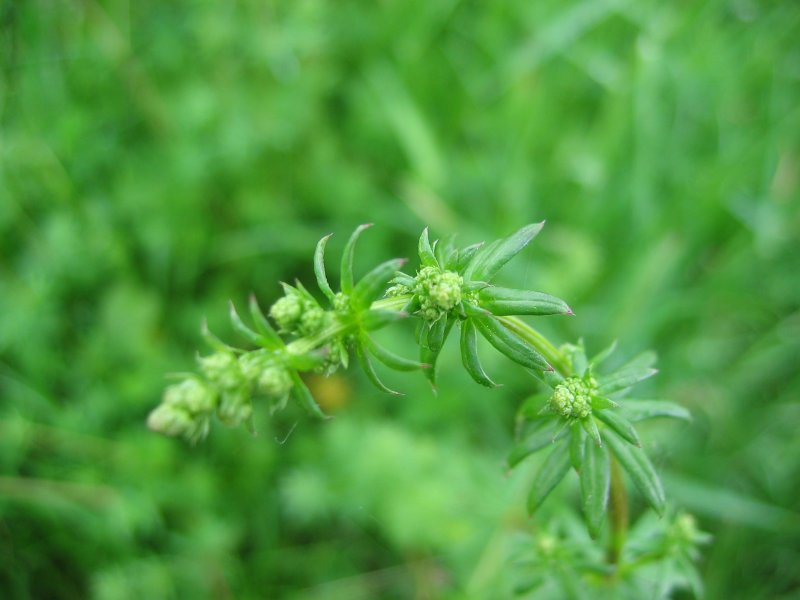
© Kristian Peters -- Fabelfroh 17:36, 8 Jun 2005 (UTC), some rights reserved (CC-BY-SA) · Wikimedia Commons
Galium, Genus, spp., Multiple species,
- Genus
- Multiple species
bedstraws
Overview
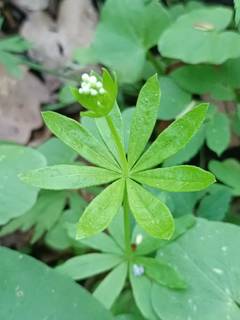
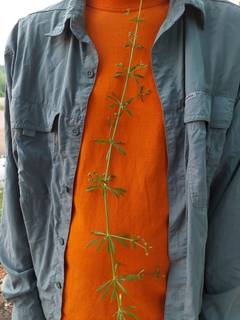
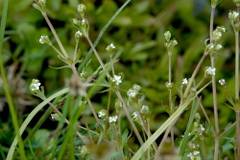
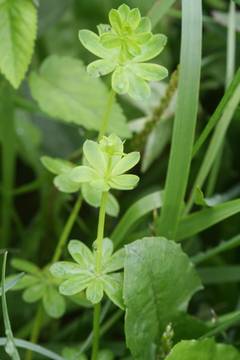
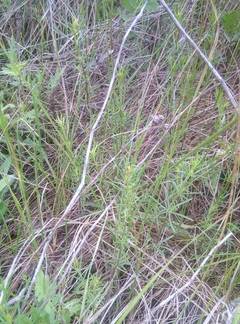
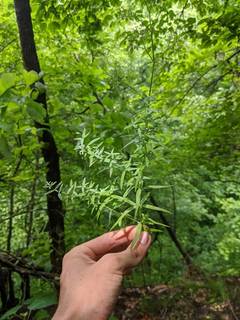
Galium is a genus of more than 600 species of annual and perennial herbs in the family Rubiaceae, distributed across temperate and subtropical regions worldwide. Plants have slender, four-angled (square) stems 10–120 cm (4–48 in) long that may stand upright, scramble over neighboring vegetation, or form low mats. The narrow leaves are arranged in whorls of four to eight around each node, a hallmark of the genus. Flowers are small, 2–5 mm (0.1–0.2 in) across, with four pointed petals in white, cream, yellow, or pale green, gathered in branched clusters. Species range from the clinging annual G. aparine, whose stems and fruit bear hooked hairs that catch on clothing and fur, to the mat-forming perennial G. odoratum, grown as a fragrant groundcover, and the yellow-flowered G. verum. Fruits are paired, dry, 1–3 mm (under 0.1 in) units that in some species are covered in hooked bristles for animal dispersal. Foliage of several species releases a hay-like scent of coumarin as it dries. Many species spread readily by rhizomes or self-seeding and can move beyond a planted area into lawns and borders.
Native Range
The genus occurs nearly worldwide, with the greatest diversity in temperate Eurasia and North America and additional species in mountainous tropical regions. Several species, including G. aparine, have spread well beyond their original range as weeds of cultivation.Suggested Uses
Used as shade groundcover, in herb gardens, and in naturalized or wildflower plantings. Dried scented foliage of some species has been used to stuff bedding, the origin of the name bedstraw, and G. verum has a history of use in cheese-making and dyeing. The rapid spread of rhizomatous species limits their use in small or mixed beds.How to Identify
Appearance
Size & Dimensions
Height4" - 4'
Width/Spread1' - 3'
Bloom Information
Flowering occurs from late spring through summer, broadly May to August in temperate zones, with the exact timing varying by species and climate. The minute four-petaled flowers appear in airy clusters over several weeks. Fruits follow quickly and, in clinging species, attach to passing animals for dispersal.
Detailed Descriptions
Flower Description
white, cream, yellow, or pale greenFoliage Description
greenGrowing Conditions
Sun Requirements
Requires 2-8 hours of direct sunlight daily
• Full Sun: 6+ hours of direct sunlight
• Partial Shade: 3-6 hours of direct sunlight
• Full Shade: Less than 3 hours of direct sunlight
Water & Climate
Water Needs
Care & Maintenance
Care Guide
Species occupy habitats from full sun to woodland shade, and garden behavior follows that range: G. odoratum grows in shade as a groundcover while G. verum favors open sun. Most tolerate average soils across a pH of 5.5 to 7.5 and prefer steady moisture, though several withstand dry conditions once established. Perennial species are hardy across USDA zones 4–8, while annual species complete their cycle in a single season. Rhizomatous species spread to form continuous cover and can overrun smaller neighbors. Cutting back after flowering keeps growth dense. Self-seeding is common and may require thinning.Pruning
Shearing perennial species after bloom removes spent stems and encourages fresh basal foliage. Mat-forming groundcover species can be trimmed at the edges to contain spread. Pulling annual species before they set seed reduces their return the following year.Pruning Schedule
Prune: June–July
summer