Fragaria, Genus, ×, Hybrid, ananassa, Species,
- Genus & species
- Hybrid
Garden strawberry
Cultivated hybrid of North and South American parent species
Overview
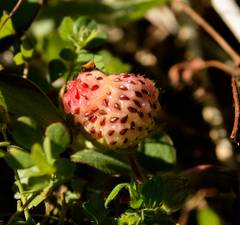
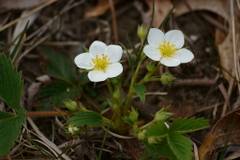
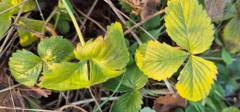
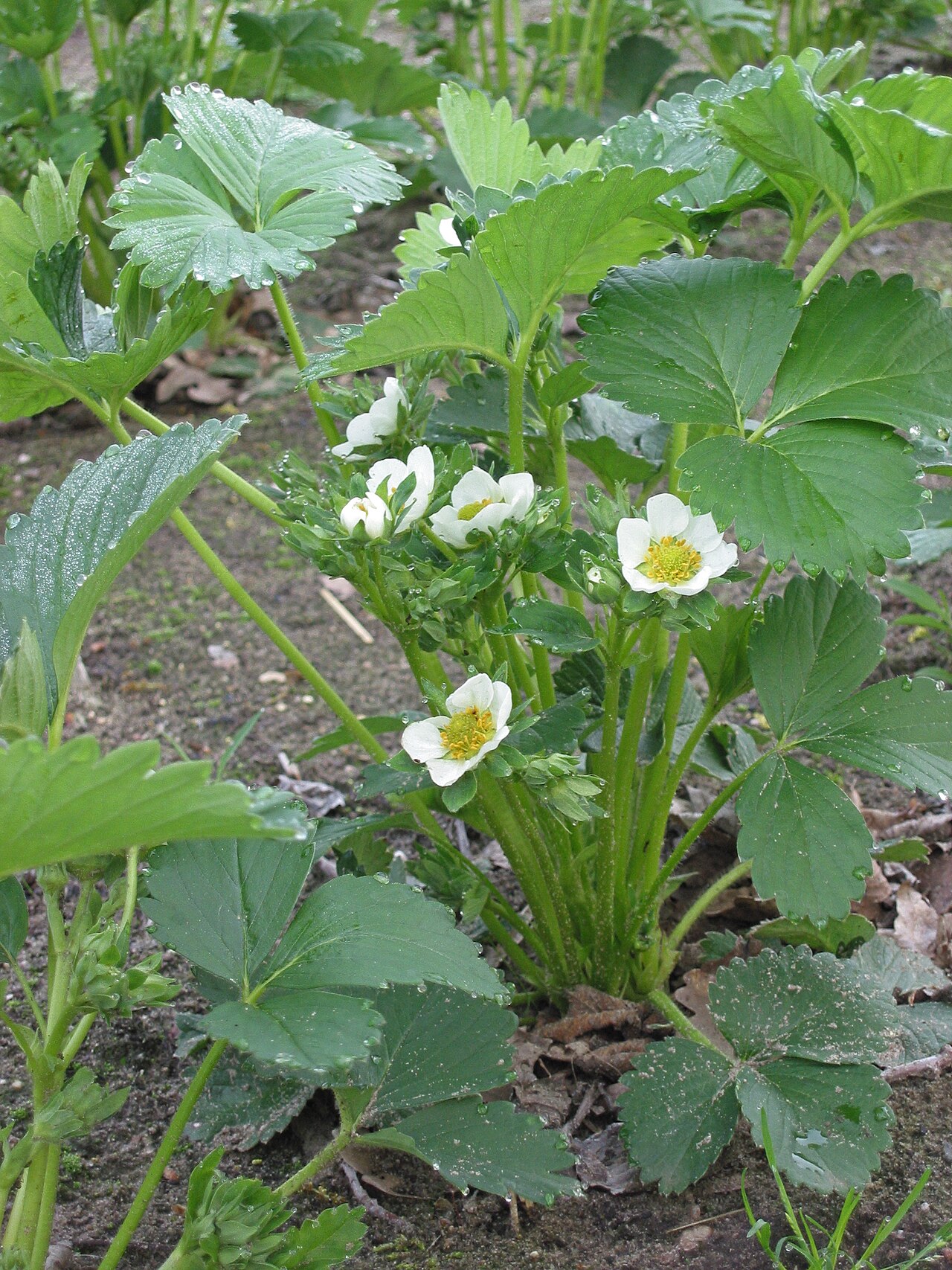
Fragaria × ananassa is a low, stoloniferous perennial in the rose family (Rosaceae), forming rosettes 6–12 inches (15–30 cm) tall and spreading 12–24 inches (30–60 cm) wide. It originated in 18th-century France as a hybrid between F. virginiana from North America and F. chiloensis from the Pacific coast of the Americas. Leaves are trifoliate, with three coarsely toothed, oval leaflets 1.5–3 inches (4–7.5 cm) long on petioles 4–8 inches (10–20 cm) long. White flowers with five petals and a yellow center, 0.8–1.2 inches (2–3 cm) across, open from April to June in clusters of 5–10. Each flower develops into a red aggregate fruit 0.5–1.5 inches (1.3–4 cm) long, with achenes on the surface of an enlarged, fleshy receptacle. Runners 12–24 inches (30–60 cm) long form daughter plants at the nodes. Cultivars are grouped as June-bearing, everbearing, or day-neutral by fruiting habit. Individual plants decline in productivity after 3–4 years, and fruit is susceptible to gray mold in wet weather. Leaves and crowns host aphids, spider mites, and slugs.
Native Range
Fragaria × ananassa is a cultivated hybrid with no wild populations of its own. Its parent species are F. virginiana, native to eastern North America, and F. chiloensis, native to the Pacific coasts of North and South America, and the hybrid arose in European gardens around 1750.Suggested Uses
Grown for fresh fruit, preserves, and freezing in vegetable gardens, raised beds, and containers, with 1 plant per 1 square foot (0.09 sq m) in matted rows. Plants are also used as edging and in hanging baskets, where everbearing types fruit from June to September.How to Identify
Appearance
Size & Dimensions
Height6" - 1'
Width/Spread1' - 2'
Bloom Information
Flowers open from April to June in June-bearing cultivars and continue through September in everbearing and day-neutral types. Each cluster carries 5–10 flowers that open over 2–3 weeks, and fruit ripens 25–30 days after flowering. Flowers are pollinated by bees and are also self-fertile.
Detailed Descriptions
Flower Description
White with yellow centerFoliage Description
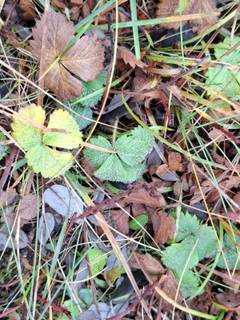
Mid to dark green, trifoliateGrowing Conditions
Sun Requirements
Requires 6-10 hours of direct sunlight daily
• Full Sun: 6+ hours of direct sunlight
• Partial Shade: 3-6 hours of direct sunlight
• Full Shade: Less than 3 hours of direct sunlight
Care & Maintenance
Care Guide
Grows in full sun in well-drained, humus-rich soil with a pH of 5.5–6.8. Hardy in USDA zones 3–10, with crowns set at soil level and spaced 12–18 inches (30–45 cm) apart in rows 3–4 feet (90–120 cm) apart. Plants require 1–1.5 inches (2.5–4 cm) of water per week during fruit development, and mulch of straw 2–3 inches (5–7.5 cm) deep reduces fruit contact with soil. Beds are replaced every 3–4 years, because yields and disease resistance decline with plant age. Gray mold, powdery mildew, and verticillium wilt occur in wet weather and in soils previously used for tomatoes, potatoes, or peppers.Pruning
June-bearing plants are renovated after harvest in July by mowing or shearing leaves to 1–2 inches (2.5–5 cm) above the crown, thinning plants to 6 inches (15 cm) apart, and removing excess runners. Everbearing and day-neutral types have runners removed through the season to direct energy to fruit. Old and damaged leaves are cut in early spring before new growth.Pruning Schedule
Prune: February–March & July
early springsummer
Container Growing
Suitable for container growing
Minimum container size: 1 gallons