Image 1 of 7
1 / 7
Plant Reference
Fragaria, Genus, 'Lipstick', Cultivar,
- Genus
- Cultivar
lipstick strawberry
Hybrid of garden origin — parentage includes various {Fragaria} species; the genus {Fragaria} is native to North America, Europe, and Asia
Overview
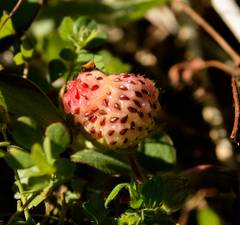
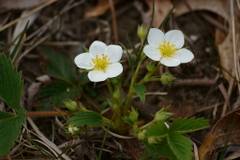
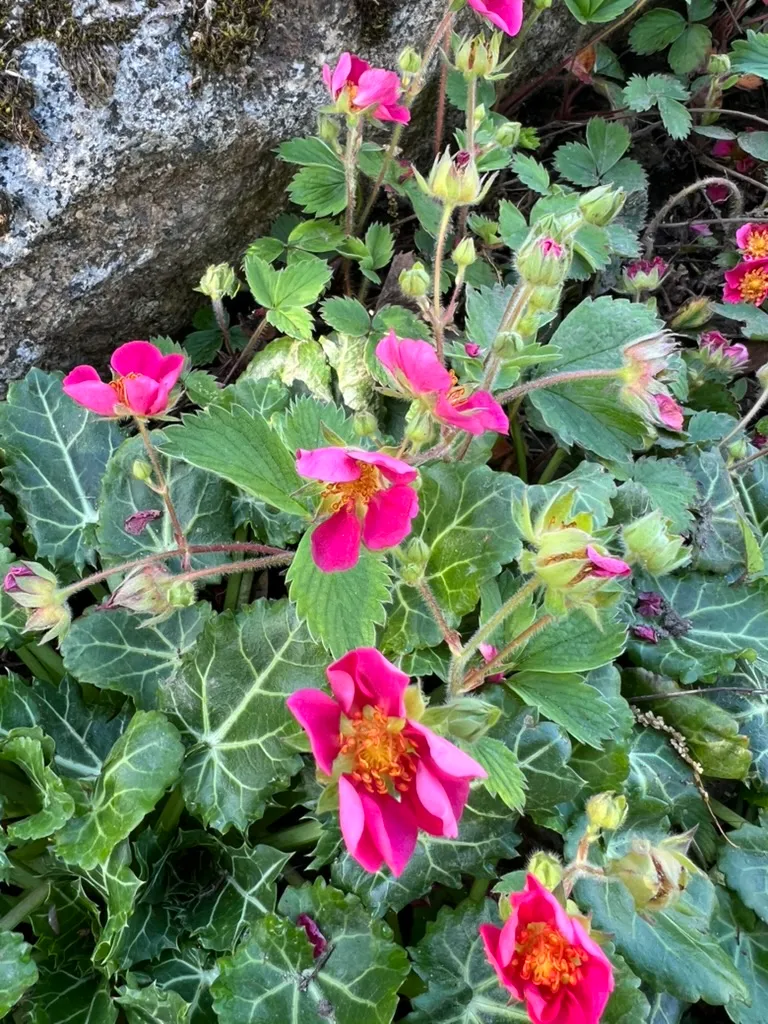
Fragaria 'Lipstick' is lipstick strawberry (ornamental strawberry), a low spreading semi-evergreen perennial growing 4-6 inches (10-15 cm) tall and 18-24 inches (45-60 cm) wide. Deep rose-pink 5-petaled flowers 0.75 inch (2 cm) from May through September (16 weeks). The pink flower color distinguishes this cultivar from edible strawberry cultivars, which have white flowers. Dark green glossy trifoliate leaves. Spreads by runners (stolons) that root at nodes — the mat expands 12-18 inches (30-45 cm) per year. In Rosaceae. Small red fruit forms but is sparse and small — grown for the flowers and ground-cover mat, not for fruit production. This limited fruit production is the primary distinction from edible cultivars. The runner-based spread can be either contained (by removing runners) or allowed to colonize an area as ground cover. Not drought-tolerant — requires consistent moisture. Deer browse the foliage and runners. Semi-evergreen — retains foliage in mild winters. Non-toxic. Zones 4-9. Full sun to partial shade. Growth rate is fast (via runners).
Native Range
Hybrid of garden origin — parentage includes various Fragaria species. The genus Fragaria is native to North America, Europe, and Asia.Suggested Uses
Grown as a ground cover, border edging, hanging basket filler, and in containers of at least 2 gallons (7.5 L), spaced 18-24 inches (45-60 cm). Pink-flowered ornamental strawberry. Ground-cover mat via runners. Not for fruit production. Non-toxic. Zones 4-9.How to Identify
Appearance
Size & Dimensions
Height4" - 6"
Width/Spread1'6" - 2'
Bloom Information
Detailed Descriptions
Flower Description
Deep rose-pink (not white like edible strawberry cultivars), 5-petaled, 0.75 inch (2 cm), on stalks above the foliageFoliage Description
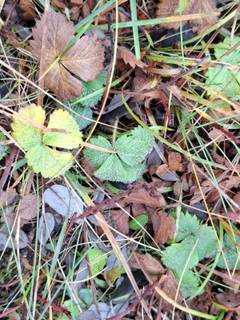
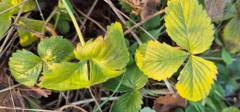
Dark green, trifoliate (3 toothed leaflets), glossy, 1-2 inches (2.5-5 cm) per leaflet; semi-evergreen — retains foliage in mild winters, dies back in cold zones; turns bronze to red in fallGrowing Conditions
Sun Requirements
Requires 4-8 hours of direct sunlight daily
• Full Sun: 6+ hours of direct sunlight
• Partial Shade: 3-6 hours of direct sunlight
• Full Shade: Less than 3 hours of direct sunlight
Care & Maintenance
Care Guide
Full sun to partial shade (4-8 hours). Well-drained soil pH 5.5-7.0. Not drought-tolerant — consistent moisture required. Spreads by runners — remove excess or allow colonization. Trim tattered foliage in late winter (March). Deer browse. Non-toxic. Zones 4-9.Pruning
Trim tattered or winter-damaged foliage in late winter (March). Remove excess runners in summer (August) to control spread. Mow or shear established ground-cover plantings in early spring to remove old foliage.Pruning Schedule
Prune: March & August
summerearly spring
Container Growing
Suitable for container growing
Minimum container size: 2 gallons