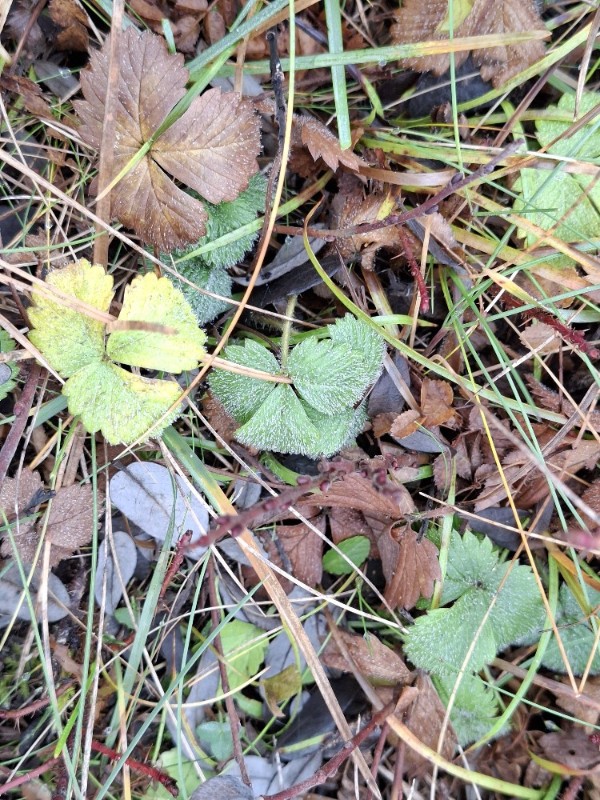
Fragaria, Genus, spp., Multiple species,
- Genus
- Multiple species
strawberries
Cool temperate Northern Hemisphere and Central/South American mountains
Overview
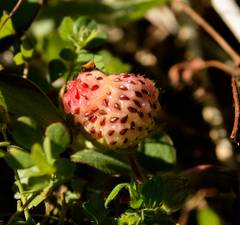
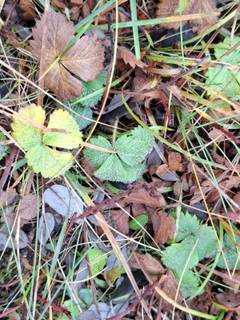
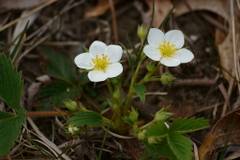
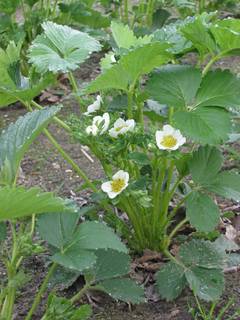
Fragaria is a genus of about 20 species of low, spreading perennial herbs in the rose family, Rosaceae, the strawberries. Plants form a low rosette 4 to 12 inches (10 to 30 cm) tall from a short crown and spread by slender horizontal runners, called stolons, that root at the nodes to make new plants. The leaves are divided into three toothed, oval leaflets, usually bright to gray-green and slightly hairy, on long stalks. White, occasionally pink, five-petaled flowers about 0.5 to 1 inch (1 to 2.5 cm) across open in clusters in spring and early summer. After pollination the flower base swells into the familiar fleshy red fruit, which is a swollen receptacle studded on its surface with the true seeds, the small dry achenes. Fragaria is native to the cool temperate Northern Hemisphere and the mountains of Central and South America, growing in woodland clearings, meadows, slopes, and disturbed open ground. The cultivated garden strawberry, F. ananassa, arose from crosses between two American species. Most strawberries spread quickly into a dense groundcover and fruit on plants one to several years old.
Native Range
Fragaria is native to the cool and cold temperate regions of the Northern Hemisphere, across North America, Europe, and Asia, and extends south through the mountains of Central and South America to Chile. Plants grow in open woodland, forest edges, meadows, grassy slopes, and disturbed clearings.Suggested Uses
Fragaria is grown in fruit and kitchen gardens, raised beds, containers, and hanging baskets for the edible crop, and the running species are used as an ornamental and edible groundcover under sun or light shade, spaced 12 to 18 inches (30 to 45 cm) apart. Alpine strawberries are planted as a tidy, non-running edging. The flowers feed bees and the fruit draws birds and small mammals.How to Identify
Appearance
Size & Dimensions
Height4" - 1'
Width/Spread1' - 2'
Bloom Information
Fragaria blooms mainly in spring and early summer, generally April through June, though everbearing and day-neutral garden types flower in repeated flushes into autumn. The white flowers open a few at a time in branched clusters held near the foliage. Bees and other insects pollinate them, and well-pollinated flowers set fuller, more even fruit. Ripe fruit follows each flush within four to six weeks.
Detailed Descriptions
Flower Description
white, occasionally pinkFoliage Description
bright to gray-greenGrowing Conditions
Sun Requirements
Requires 6-10 hours of direct sunlight daily
• Full Sun: 6+ hours of direct sunlight
• Partial Shade: 3-6 hours of direct sunlight
• Full Shade: Less than 3 hours of direct sunlight
Care & Maintenance
Care Guide
Fragaria grows in full sun to light shade and moist, fertile, well-drained soil rich in organic matter at a pH of 5.5 to 6.8, with the heaviest fruiting in sun. Woodland species accept more shade but fruit less. Most are cold hardy to USDA zone 3 to 5 and benefit from a straw mulch that keeps fruit clean and roots cool. Plants are watered evenly while flowering and fruiting, since drought at that stage shrinks the crop. Gray mold, leaf spot, crown rot, slugs, and birds are the usual problems. Beds decline after three or four years as plants crowd and disease builds, so they are renewed from rooted runners.Pruning
Runners of Fragaria are thinned or removed through the season to keep plants from crowding and to direct energy into fruiting, or pegged down where new plants are wanted. After harvest, the old leaves of summer-bearing types are sheared off to reduce disease and encourage fresh growth. Dead and diseased foliage is cleared in late winter before bloom.Pruning Schedule
Prune: July–August
summer
Container Growing
Suitable for container growing
Minimum container size: 2 gallons