Fargesia, Genus, murielae, Species,
- Genus & species
umbrella bamboo
Western China (Hubei and Sichuan provinces — mountain forests, 6,000-10,000 feet / 1,800-3,000 m)
Overview
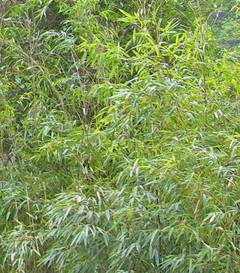
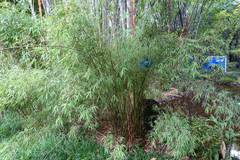
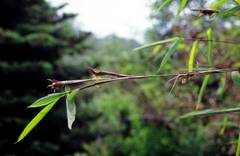
Fargesia murielae is umbrella bamboo (also called Muriel's bamboo), a clumping evergreen bamboo in the grass family (Poaceae) growing 96–144 inches (240–360 cm / 8–12 feet) tall and 72–96 inches (180–240 cm / 6–8 feet) wide. Leaves are bright green lance-shaped 3–5 inches (7–13 cm) long carried on arching culms that produce an umbrella-like canopy silhouette — the outer culms arch outward and downward under the weight of the foliage, which gives the species its common name. The rhizome system is pachymorph (clumping), and the plant does not spread aggressively or require a rhizome barrier that running bamboos such as Phyllostachys demand at installation. This species ranks as the widely grown clumping bamboo across temperate gardens worldwide. Named after Muriel Wilson, daughter of the plant collector Ernest Henry Wilson who collected the type specimen in Hubei Province in 1907. A mass flowering event in the 1990s killed most established European garden specimens, and replacement seedling selections ('Jumbo', 'Bimbo', 'Simba') now dominate the nursery trade; the next monocarpic cycle may occur in 60–80 years from the flowering event. The leaves curl inward in direct sun exposure and during drought as a stress signal that indicates the plant needs shade or water. Sun tolerance runs lower than other common Fargesia — full sun in zones 7 and warmer produces persistent leaf curl that does not resolve without relocation or supplemental shading. Consistent moisture. Non-toxic (shoots edible cooked). Deer-resistant. Partial shade. Zones 5–9. Growth rate is moderate.
Native Range
Fargesia murielae is native to western China (Hubei and Sichuan provinces), where it grows in mountain forest understories at 6,000–10,000 feet (1,800–3,000 m).Suggested Uses
Grown as a screen, hedge, and specimen planting in zones 5–9 in partial-shade positions. This species ranks as the widely grown clumping bamboo across temperate gardens worldwide and carries broad reliability across the hardiness range. The umbrella-arching culm form and bright green foliage serve as the primary ornamental features. Clumping habit means no rhizome barrier is needed at installation, which simplifies screen and hedge work compared with running bamboos. Consistent moisture through the growing season is required for full canopy density. Non-toxic. Deer-resistant.How to Identify
Appearance
Size & Dimensions
Height8' - 12'
Width/Spread6' - 8'
Bloom Information
The species rarely flowers under cultivation — the 1990s mass flowering event ran on a monocarpic reproduction cycle that cycles every 60–80 years, which means the next flowering window is not expected until the 2050s–2070s at earliest. The evergreen umbrella-like arching culm canopy carries the year-round ornamental feature, and the plant is grown for foliage and habit rather than any flowering display.
Detailed Descriptions
Flower Description
Rarely flowers (monocarpic)Foliage Description
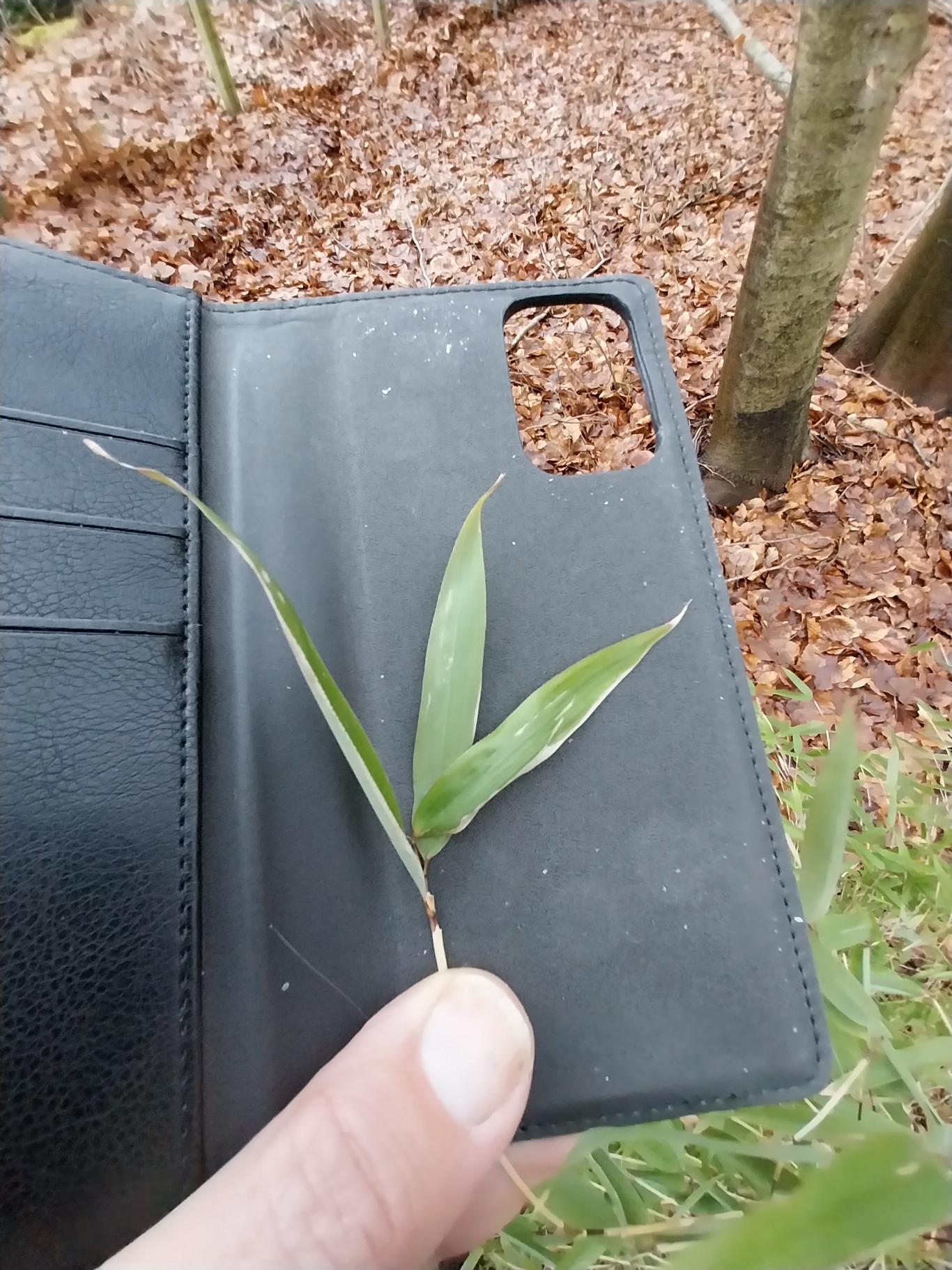
Bright green lance-shaped 3-5 inches long and 0.3-0.5 inch (8-12 mm) wide; the leaves curl inward in direct sun and drought as a stress responseGrowing Conditions
Sun Requirements
Requires 3-6 hours of direct sunlight daily
• Full Sun: 6+ hours of direct sunlight
• Partial Shade: 3-6 hours of direct sunlight
• Full Shade: Less than 3 hours of direct sunlight
Care & Maintenance
Care Guide
Grows in partial shade in moist well-drained loam soil at pH 6.0–7.5 — the leaves curl in direct sun as a stress signal that does not resolve without shade relocation. Consistent moisture through the growing season is required; the species is intolerant of drought and shows leaf curl and tip dieback in dry conditions. Clumping habit via pachymorph rhizomes (no rhizome barrier needed at installation). The 1990s mass-flowering event killed most established old-clone specimens, and current nursery stock derives from seedling replacements grown from the flowering event. Monocarpic reproduction means any future flowering cycle will end the current clone generation. Non-toxic (shoots edible cooked). Deer-resistant. Zones 5–9.Pruning
Dead, damaged, or old culms are removed at the base in late winter (February–March). Congested clumps are thinned by removing older culms to allow light to younger growth in the clump interior. Culms are removed entirely at the base — partway cuts produce dieback on the remaining stem segment. The umbrella-arching form develops naturally without shaping intervention and should not be pruned to alter the silhouette.Pruning Schedule
Prune: February–March
early spring
Container Growing
Suitable for container growing
Minimum container size: 15 gallons