Image 1 of 8
1 / 8
Plant Reference
Fargesia, Genus, robusta, Species,
- Genus & species
robust bamboo
Sichuan Province, China; montane forests at 5,000-8,000 feet (1,500-2,400 m)
Overview
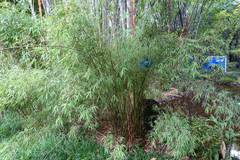
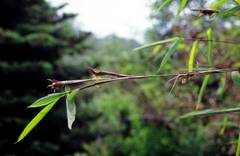
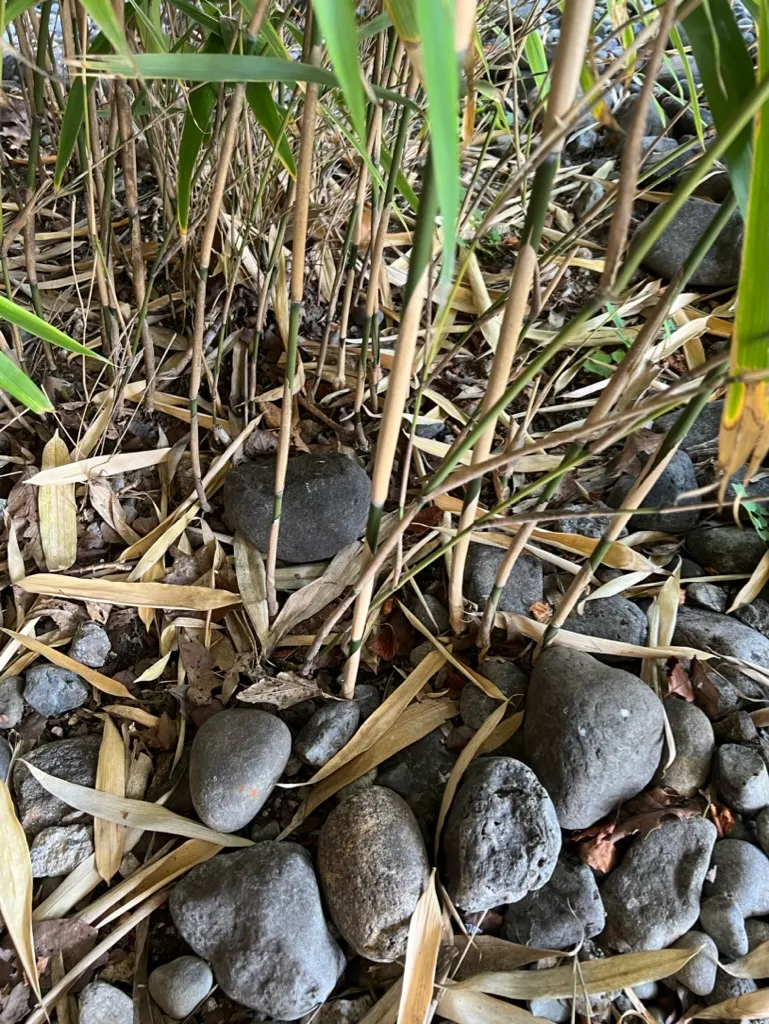
Fargesia robusta is robust bamboo (clumping bamboo), a clumping semi-evergreen bamboo grass growing 12-18 feet (3.6-5.5 m) tall and 6-10 feet (1.8-3 m) wide. Upright culms 0.75-1 inch (2-2.5 cm) diameter with green leaves 3-5 inches (7-13 cm) on arching branches. New culms emerge in spring with white papery sheaths. In Poaceae. Robusta = robust. A clumping bamboo (pachymorph rhizome) — does not spread by running rhizomes, so no root barrier is needed. This non-invasive clumping habit is the primary advantage over running bamboo (Phyllostachys). Native to Sichuan, China at 5,000-8,000 feet (1,500-2,400 m). Not drought-tolerant — leaf drop and culm stress in dry conditions. Leaf curl occurs below 20°F (-7°C) but recovers. Hardy to about 5°F (-15°C). The large mature size (12-18 feet / 3.6-5.5 m) requires ample space. Gregarious flowering (every 50-120 years) followed by death — timing unpredictable. Deer browse new shoots. Non-toxic. Zones 7-9. Part sun to full sun. Growth rate is fast (new culms reach full height in one season).
Native Range
Native to Sichuan Province, China. Found in montane forests at 5,000-8,000 feet (1,500-2,400 m).Suggested Uses
Grown as an evergreen screen, privacy hedge, or specimen, and in large containers of at least 25 gallons (95 L), spaced 6-10 feet (1.8-3 m). Clumping (non-invasive). Dense screen. Non-toxic. Zones 7-9.How to Identify
Appearance
Size & Dimensions
Height12' - 18'
Width/Spread6' - 10'
Reproduction
Gregarious flowering every 50-120 years (grass-like spikelets), after which the population dies. Timing unpredictable.
Detailed Descriptions
Foliage Description
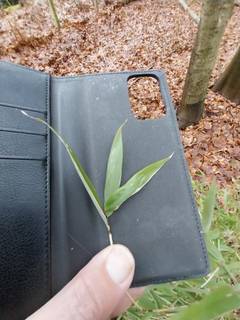
Medium green, lance-shaped, 3-5 inches (7-13 cm), on arching branches from upright culms; semi-evergreen — older leaves drop in winter but culms retain foliage at the tipsGrowing Conditions
Sun Requirements
Requires 3-8 hours of direct sunlight daily
• Full Sun: 6+ hours of direct sunlight
• Partial Shade: 3-6 hours of direct sunlight
• Full Shade: Less than 3 hours of direct sunlight
Care & Maintenance
Care Guide
Part sun to full sun (3-8 hours). Moist soil pH 5.5-7.0. Not drought-tolerant — leaf drop in dry conditions. Clumping (no root barrier needed). Remove old/dead culms at the base in late winter (February-March). Leaf curl below 20°F (-7°C) but recovers. Hardy to 5°F (-15°C). Deer browse new shoots. Non-toxic. Zones 7-9.Pruning
Remove old, thin, dead, or damaged culms at the base in late winter (February-March). Thin to maintain an open clump. Remove lower branches for a cleaner trunk effect if desired.Pruning Schedule
Prune: February–March
early spring
Container Growing
Suitable for container growing
Minimum container size: 25 gallons