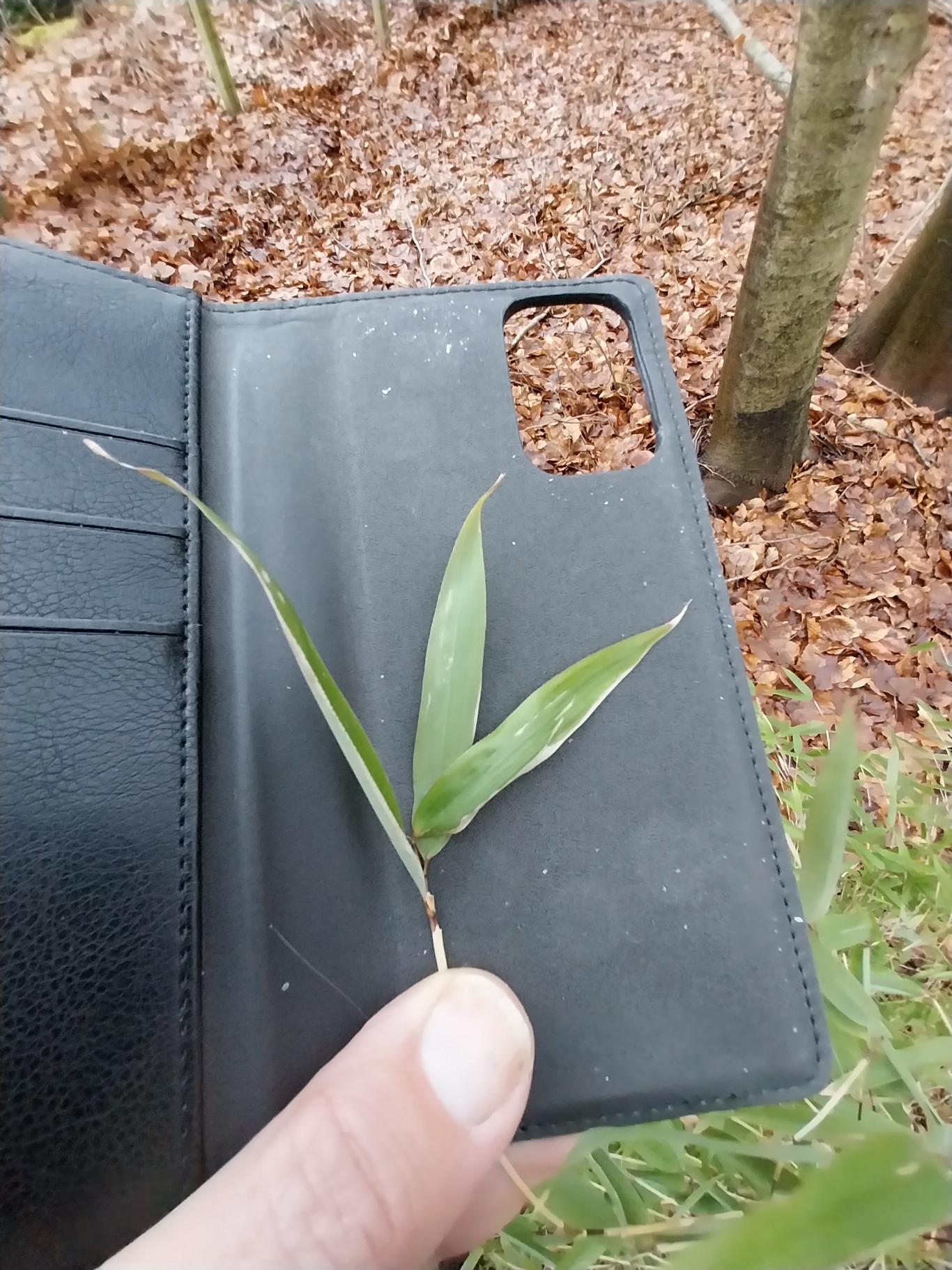
Fargesia, Genus, spp., Multiple species,
- Genus
- Multiple species
clumping bamboo
Mountains of China, the Himalaya, and mainland South-East Asia
Overview
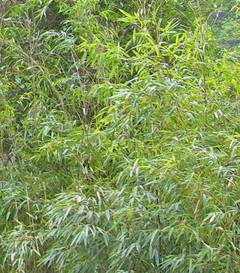
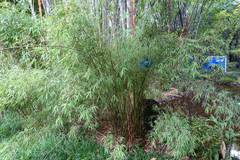
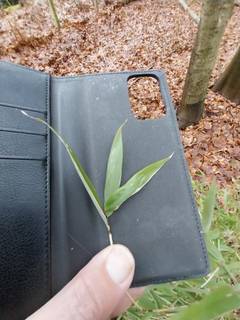
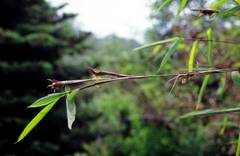
Fargesia is a genus of around 90 species of clump-forming mountain bamboos in the grass family, Poaceae, native to the highlands of China, the Himalaya, and mainland South-East Asia. Unlike running bamboos, the genus has short-necked, tightly packed rhizomes, so plants form dense, expanding clumps rather than spreading invasively. Canes are slender, 0.2-0.8 inch (5-20 mm) thick and 6-20 feet (2-6 m) tall, often arching outward under the weight of the narrow, slender evergreen leaves. New canes emerge in summer and reach full height in one season. Several species, including F. murielae and F. nitida, tolerate hard winters and temperatures well below 0F (-18C), and the canes and leaves form a major part of the diet of giant pandas in the wild. Like most bamboos, Fargesia flowers only at long intervals of several decades, often gregariously across a population, after which the flowered plants usually die and regenerate from seed. Plants grow in cool, moist, sheltered mountain forest and scorch in hot, dry, exposed sites. The dense clumps form tall screens but decline under prolonged drought and waterlogging alike.
Native Range
Fargesia is native to the mountains of China, the Himalaya, and mainland South-East Asia, growing in cool, moist montane forest and forest margins, often as understory beneath conifers and broadleaf trees.Suggested Uses
Grown as a clumping screen, hedge, or specimen where a non-invasive bamboo is wanted, and in large containers on patios and terraces. The arching evergreen canes suit shaded courtyards and woodland-edge plantings. Cold-hardy species are used for year-round screening in temperate gardens.How to Identify
Appearance
Size & Dimensions
Height6' - 20'
Width/Spread3' - 8'
Colors
Foliage Colors
Fall Foliage Colors
Bloom Information
Like most bamboos, Fargesia flowers only rarely, at intervals of several decades, often with whole populations blooming together. The flowers are small and grass-like. Flowered plants usually die afterward and regenerate from seed.
Detailed Descriptions
Foliage Description
green to blue-greenGrowing Conditions
Sun Requirements
Requires 3-7 hours of direct sunlight daily
• Full Sun: 6+ hours of direct sunlight
• Partial Shade: 3-6 hours of direct sunlight
• Full Shade: Less than 3 hours of direct sunlight
Care & Maintenance
Care Guide
Grow in part shade to part sun in moist, free-draining soil enriched with organic matter, sheltered from cold drying wind and hot afternoon sun. Soil pH from about 5.0 to 7.0 suits the genus. Keep the soil evenly moist, as the clumps brown and shed leaves under drought, yet they also fail in waterlogged ground. A mulch conserves moisture and protects the shallow rhizomes in winter. Most species are hardy through USDA zones 5 to 9, with some tolerating colder conditions. In hot climates the genus grows poorly and needs shade and steady moisture.Pruning
Thin out old, weak, or damaged canes at the base in spring to keep the clump open and let light into the centre. Canes can be cut to any height to control the screen, though they do not regrow taller once topped. Removing the lowest side branches exposes the canes where wanted.Pruning Schedule
Prune: March–April
early spring
Container Growing
Suitable for container growing
Minimum container size: 15 gallons