Fargesia, Genus, angustissima, Species,
- Genus & species
narrow-leaved bamboo
Western China (Sichuan Province — Jiuzhaigou Valley and surrounding mountains, 5,000-10,000 feet / 1,500-3,000 m)
Overview
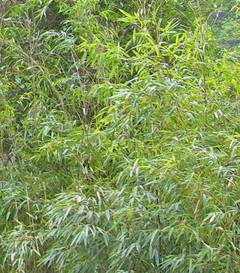
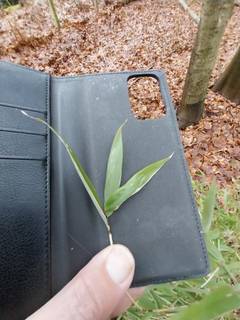
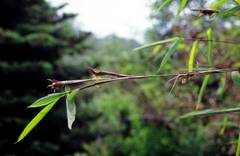
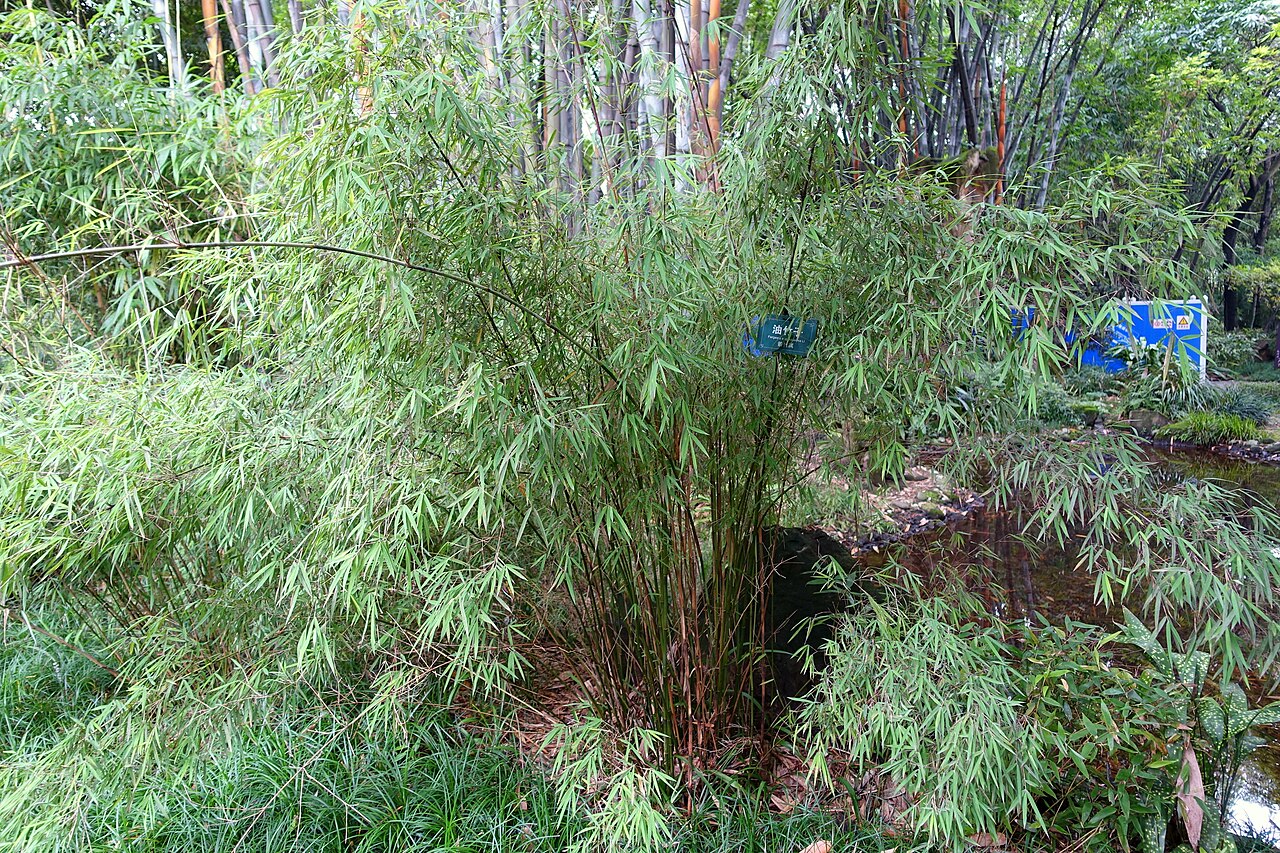
Fargesia angustissima is the narrow-leaved bamboo (Jiuzhai bamboo), a clumping evergreen bamboo in the grass family (Poaceae) growing 96–144 inches (240–360 cm / 8–12 feet) tall and 48–72 inches (120–180 cm / 4–6 feet) wide. Leaves are dark green glossy narrow 3–5 inches (7–13 cm) long and only 0.15–0.25 inch (4–6 mm) wide, which gives the species the narrowest leaf blades among commonly cultivated Fargesia. The specific epithet 'angustissima' means 'most narrow' in Latin, which references this leaf dimension. Culm diameter runs 0.3–0.5 inch (8–12 mm) at mature size. The rhizome system is pachymorph (sympodial), which means the plant clumps rather than spreads aggressively and does not require a rhizome barrier that running bamboos such as Phyllostachys demand at installation. The narrow leaf width produces a more delicate texture than F. murielae at 0.3–0.5 inch / 8–12 mm leaf width and F. robusta at 0.5–0.75 inch / 12–18 mm leaf width. Sun tolerance runs higher than most Fargesia — the leaves do not curl as readily in full sun as F. murielae leaves do, which opens full-sun exposure in cooler climates (zones 5–7) while partial shade remains the better choice in zones 8–9. The species is monocarpic: the clone may flower once after decades of vegetative growth, then the entire clone dies back after seed set. Named from collections in the Jiuzhaigou Valley, Sichuan Province, western China, at 5,000–10,000 feet (1,500–3,000 m). Consistent moisture is required — the species is intolerant of prolonged drought. Non-toxic (shoots edible cooked). Deer-resistant. Zones 5–9. Growth rate is moderate.
Native Range
Fargesia angustissima is native to western China (Sichuan Province — the Jiuzhaigou Valley and surrounding mountains), where it grows at 5,000–10,000 feet (1,500–3,000 m) in montane forest understories.Suggested Uses
Grown as a screen, hedge, and container specimen in zones 5–9 at container sizes of 10 gallons (38 L) or larger. The narrow-leaved foliage separates this species visually from other Fargesia in the trade and carries a more delicate texture than the wider-leaved clumping bamboos at the same mature scale. Clumping habit (no rhizome barrier needed) simplifies installation compared to running bamboos. Consistent moisture through the growing season is required for full foliage density. Non-toxic. Deer-resistant.How to Identify
Appearance
Size & Dimensions
Height8' - 12'
Width/Spread4' - 6'
Bloom Information
The species rarely flowers under cultivation — monocarpic reproduction cycle runs once every several decades, after which the entire clone dies back following seed set. The evergreen culm structure and narrow-leaf foliage carry the year-round ornamental features, and the plant is grown for foliage rather than any flowering display.
Detailed Descriptions
Foliage Description
Dark green glossy narrow 3-5 inches long and 0.15-0.25 inch (4-6 mm) wide; the narrowest leaf blades among commonly cultivated FargesiaGrowing Conditions
Sun Requirements
Requires 3-8 hours of direct sunlight daily
• Full Sun: 6+ hours of direct sunlight
• Partial Shade: 3-6 hours of direct sunlight
• Full Shade: Less than 3 hours of direct sunlight
Care & Maintenance
Care Guide
Grows in partial shade to full sun (full sun in zones 5–7; partial shade in zones 8–9 because the leaves curl less in sun than F. murielae leaves do) in moist well-drained loam soil at pH 6.0–7.5. Consistent moisture through the growing season is required — the species is intolerant of prolonged drought and shows stress in dry conditions. Clumping habit means no rhizome barrier is needed at installation, which separates this species and other Fargesia from the running bamboos that require a physical barrier to contain spread. Monocarpic reproduction means the clone dies back after the once-per-several-decades flowering event; seedling replacements are available after such events from specialist nurseries. Non-toxic (shoots edible cooked). Deer-resistant. Zones 5–9.Pruning
Dead, damaged, or old culms are removed at the base in late winter (February–March). Congested clumps are thinned by removing older culms to allow light to younger growth in the clump interior. Culms are removed entirely at the base — partway cuts produce dieback on the remaining stem segment and work against the natural clump renewal cycle.Pruning Schedule
Prune: February–March
early spring
Container Growing
Suitable for container growing
Minimum container size: 10 gallons