Eutrochium, Genus, dubium, Species,
- Genus & species
coastal plain Joe-Pye weed
Eastern North America (Atlantic coastal plain)
Overview
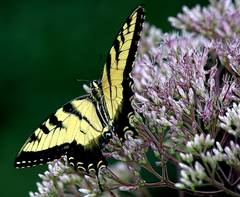
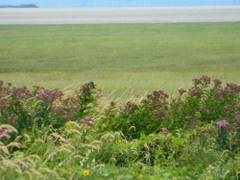
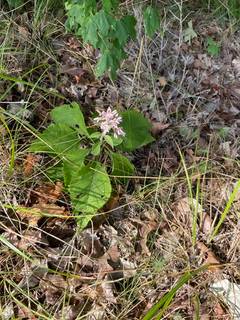
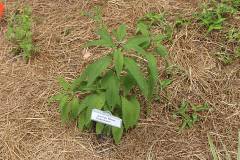
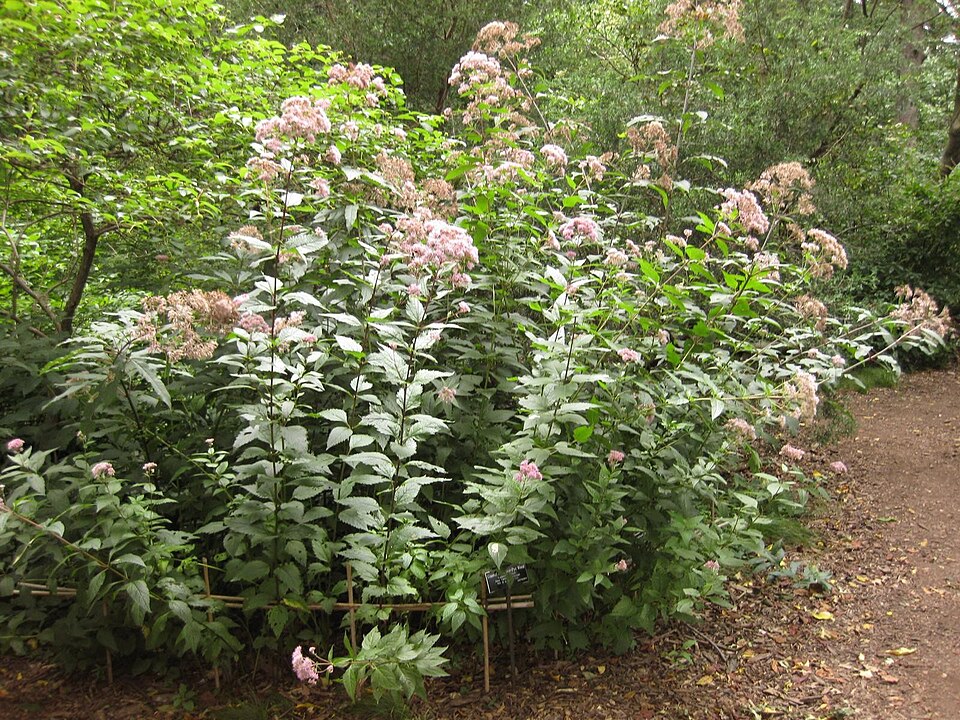
Eutrochium dubium is a clump-forming herbaceous perennial growing 2-6 feet (60-180 cm) tall, shorter than related Joe-Pye weeds that reach 7 feet (2.1 m). The stems are green with purple speckling and carry leaves in whorls of 3 to 4, each leaf lance-shaped to ovate, 3-8 inches (8-20 cm) long, coarsely toothed, and marked by three main veins. From July to September the stem tips bear domed to rounded clusters of small mauve-pink to purple flower heads, each head holding 5 to 12 disc florets and no ray florets. The flower clusters span 4-6 inches (10-15 cm) and draw large numbers of butterflies, bees, and other pollinators. Seed heads form a fluffy tan pappus that holds into winter. Eutrochium dubium grows in moist meadows, marsh edges, and damp thickets along the Atlantic coastal plain. It tolerates wetter soil than most border perennials but wilts in prolonged drought. Plants spread slowly outward at the crown and reach full size in 2 to 3 years.
Native Range
Eutrochium dubium is native to the Atlantic coastal plain of eastern North America, from Nova Scotia south to South Carolina. It grows in moist meadows, marsh margins, and damp open woods.Suggested Uses
Eutrochium dubium is used in rain gardens, pond and stream edges, moist borders, and pollinator plantings, spaced 24-36 inches (60-90 cm) apart. Its tolerance of wet soil suits low spots where many perennials fail. The seed heads are grown for winter structure and bird forage.How to Identify
Appearance
Size & Dimensions
Height2' - 6'
Width/Spread2' - 4'
Bloom Information
Detailed Descriptions
Flower Description
mauve-pink to purpleFoliage Description
greenGrowing Conditions
Sun Requirements
Requires 6-10 hours of direct sunlight daily
• Full Sun: 6+ hours of direct sunlight
• Partial Shade: 3-6 hours of direct sunlight
• Full Shade: Less than 3 hours of direct sunlight
Care & Maintenance
Care Guide
Eutrochium dubium grows in full sun to part shade and medium to wet soil, including clay and consistently moist ground. It grows densest where the root zone stays evenly moist and shows leaf scorch in dry, exposed sites. Water during dry spells, especially in the first two seasons and in sandy soil. The plant needs no staking at its mature height and forms a clump that expands slowly. Cut stems can be left standing to provide seed for birds and winter structure. It is rarely troubled by serious pests, though powdery mildew appears on crowded, dry plants.Pruning
Stems are cut to the ground in late winter before new shoots emerge. Cutting plants back by one-third in late spring lowers final height and can delay bloom slightly. Spent flower heads are left in place for seed and winter interest, or removed to limit self-seeding.Pruning Schedule
Prune: February–March
winter
Container Growing
Suitable for container growing
Minimum container size: 5 gallons